

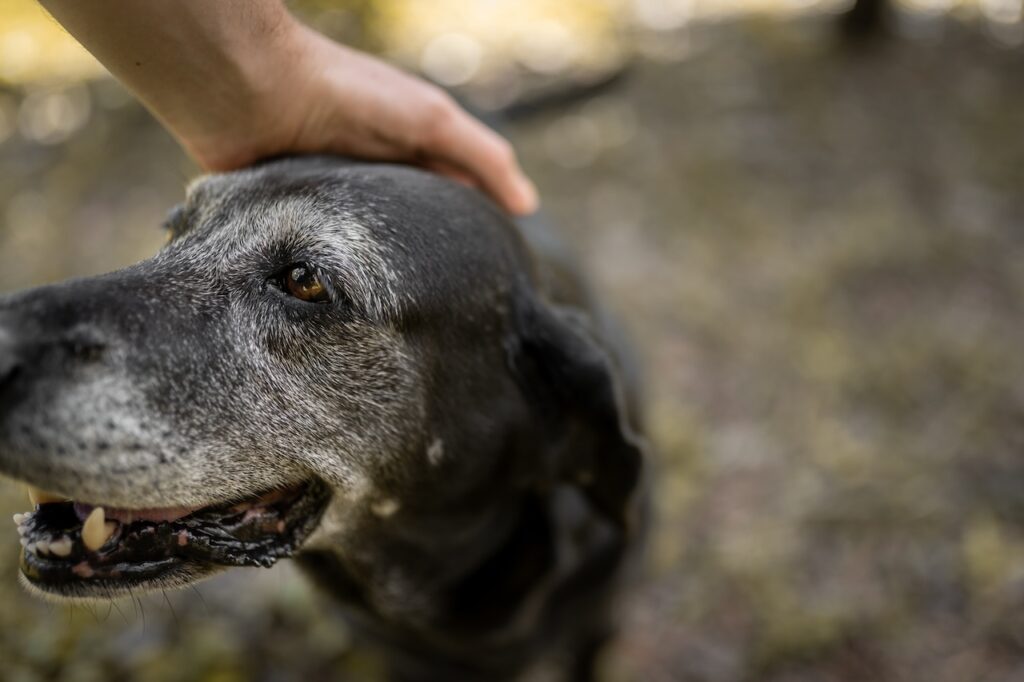
As pet owners, we naturally want the best for our furry companions, particularly as they age. Watching an older pet face health challenges can be heartbreaking. But when surgery is recommended as a solution, many pet owners grapple with a pressing question: “Is my senior pet too old for surgery?” The answer is more nuanced than a simple yes or no. Let’s explore what you need to know if you’re considering surgery for your senior pet.
Age Is a Factor, But Not the Only One
It’s easy to assume that advanced age alone is a disqualifier for surgery, but that isn’t entirely accurate. Veterinarians emphasize that age is just one part of the equation. What truly determines whether surgery is a viable option often boils down to your pet’s overall health. Things like organ function, heart condition, and mobility play critical roles in assessing surgical risk.
A healthy senior pet—thanks to good care over the years—may tolerate surgery and anesthesia quite well. On the other hand, a younger pet struggling with underlying conditions could face higher risks. This is why thorough evaluations are essential before making any decisions.
What Does the Vet Look For?
Before greenlighting a surgical procedure, vets conduct comprehensive assessments to understand your pet’s health. Key steps typically include:
- Pre-Surgical Exams: A complete physical examination to evaluate vital signs and pinpoint underlying health concerns.
- Diagnostic Tests: Tests like bloodwork, urinalyses, or imaging (such as X-rays) may be performed to assess organ function, ensure proper hydration, and detect any hidden ailments.
- Risk Assessment: Together, these results help highlight any potential complications. This assessment enables your vet to form an anesthetic plan tailored to your pet’s specific needs.
The main goal here is to minimize surgical risks and set the stage for a smooth recovery process.
Anesthesia and Senior Pets
One of the biggest concerns pet owners have revolves around anesthesia. Will it be safe for their senior dog or cat? While it’s true that older animals may metabolize anesthetic drugs differently, advances in veterinary medicine have made anesthesia much safer. Modern vets use pre-anesthetic protocols, better monitoring tools, and highly specific medications to account for an aging pet’s sensitivities.
Every vet prioritizes anesthesia monitoring during the procedure, tracking heart rate, blood pressure, oxygen levels, and more. These measures greatly reduce risks, offering peace of mind for you as a pet owner.
Benefits Often Outweigh the Risks
Deciding whether surgery is the right path for your senior pet often comes down to weighing the risks against the potential benefits. Consider a scenario where refusing surgery could mean a lower quality of life or even threaten your pet’s well-being. Common surgical needs in senior pets—like removing tumors, dental procedures, or addressing orthopedic issues—can significantly improve comfort and longevity.
Your veterinarian will help outline the risks and potential outcomes to empower you with the information needed to make an informed decision.
Questions to Ask Your Vet
When faced with the prospect of surgery for your senior pet, it’s important to have an open and honest discussion with your veterinarian. Helpful questions to ask might include:
- What are the potential risks, and how will they be mitigated?
- How might surgery improve my pet’s quality of life?
- What recovery process can I expect, and how can I help at home?
- Is there an alternative treatment option, or is surgery the best choice?
Such conversations not only provide clarity but also help ease concerns as you navigate this difficult decision.
In conclusion, age alone isn’t the deciding factor when it comes to surgery for senior pets. By closely working with your veterinarian, understanding the risks versus rewards, and properly planning for recovery, you can make the best possible choice for your beloved companion.




More Stories
Trading the Restaurant for the Waves: Why You Should Host Your Next Birthday on the Water
How Do I Get United Airlines Vacation Packages?
How Do I Change My Name on Breeze Airways?