

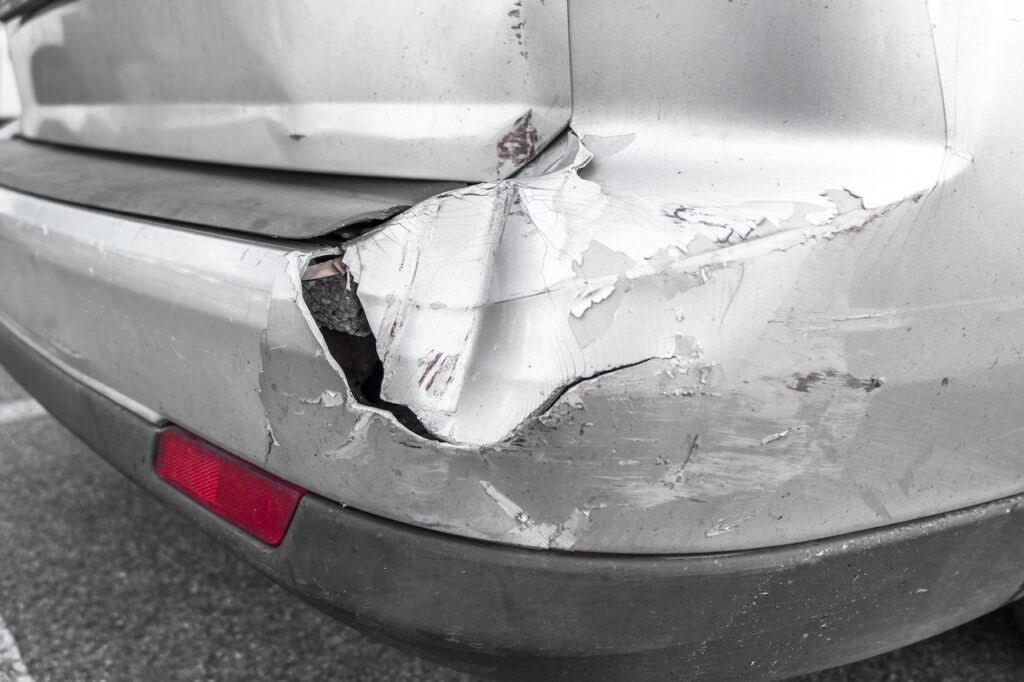
Your car’s bumper is not only essential for safety but also plays a key role in the overall appearance of your vehicle. However, due to constant exposure to sunlight, road debris, and harsh weather conditions, the paint on your bumper is often one of the first areas to show wear and tear. Fading or peeling paint can make your car look older, decrease its resale value, and even lead to rust issues over time.
The good news? With proper care and maintenance, you can keep your bumper looking pristine for years to come. Here’s a guide to help you prevent your bumper’s paint from fading or peeling, along with tips on what to do if the damage has already set in.
Why Does Bumper Paint Fade or Peel?
Before preventing paint damage, it’s important to understand why it happens. Some common causes include:
- UV Rays: Prolonged exposure to sunlight can cause paint to fade and lose its original luster.
- Moisture and Humidity: Water can seep into tiny cracks in the paint, leading to peeling over time.
- Poor Paint Quality or Application: If the bumper wasn’t painted properly or high-quality paint wasn’t used, it is more prone to peeling.
- Impact Damage: Scratches and dents from minor accidents or road debris can weaken the paint’s adhesion, making it peel.
Tips to Prevent Bumper Paint from Fading or Peeling
1. Wash and Wax Regularly
Keeping your car clean goes a long way in protecting your paint.
- Wash your car regularly to remove dirt, road salt, and debris that can damage the paintwork.
- Apply wax every 2-3 months to create a protective barrier against UV rays, moisture, and pollutants. Waxing also enhances the paint’s shine, keeping your bumper looking vibrant.
2. Use a Paint Sealant or Ceramic Coating
Paint sealants or ceramic coatings provide an additional layer of protection. While they cost more than wax, they last much longer and offer superior protection against fading and peeling.
3. Park in Shaded Areas or Use a Car Cover
Whenever possible, park your car in a garage or shaded area to protect it from the sun’s UV rays. If shade isn’t available, use a car cover to shield your vehicle.
4. Address Chips and Scratches Immediately
Even small chips or scratches can compromise your bumper’s paint and lead to peeling. Use touch-up paint to repair minor scratches, and consider professional bumper repair for larger damage.
5. Avoid Harsh Chemicals
When cleaning your car, avoid using abrasive cleaners or harsh chemical detergents. These can strip the protective layer on your bumper and damage the paint. Use products designed specifically for automotive surfaces, and always check the label for compatibility with painted areas.
6. Invest in a Paint Protection Film (PPF)
A paint protection film is a transparent layer of film applied to your bumper to shield it from damage. It’s an excellent option if you frequently drive on highways or gravel roads where your bumper is exposed to rock chips and other debris.
What to Do if Your Bumper Paint is Already Fading or Peeling
If you’ve already noticed fading or peeling on your bumper, it’s not the end of the world. Here are some steps to restore it:
- DIY Repair Kits: For smaller areas, touch-up paint kits can be an affordable solution. Just make sure to follow the instructions carefully.
- Repainting the Bumper: If the damage is extensive, a professional bumper repair service may be your best option. They will strip the old paint, properly prime the surface, and apply a fresh coat of high-quality paint for a seamless finish.
Expert bumper repair not only restores your car’s aesthetics but also prevents further damage from rust or peeling.
Give Your Bumper the Care It Deserves
Protecting your bumper’s paint doesn’t have to be a daunting task. By taking a few simple steps to keep it clean, shield it from environmental factors, and address issues promptly, you can maintain its vibrant finish and extend its lifespan.


More Stories
Trading the Restaurant for the Waves: Why You Should Host Your Next Birthday on the Water
How Do I Get United Airlines Vacation Packages?
How Do I Change My Name on Breeze Airways?