

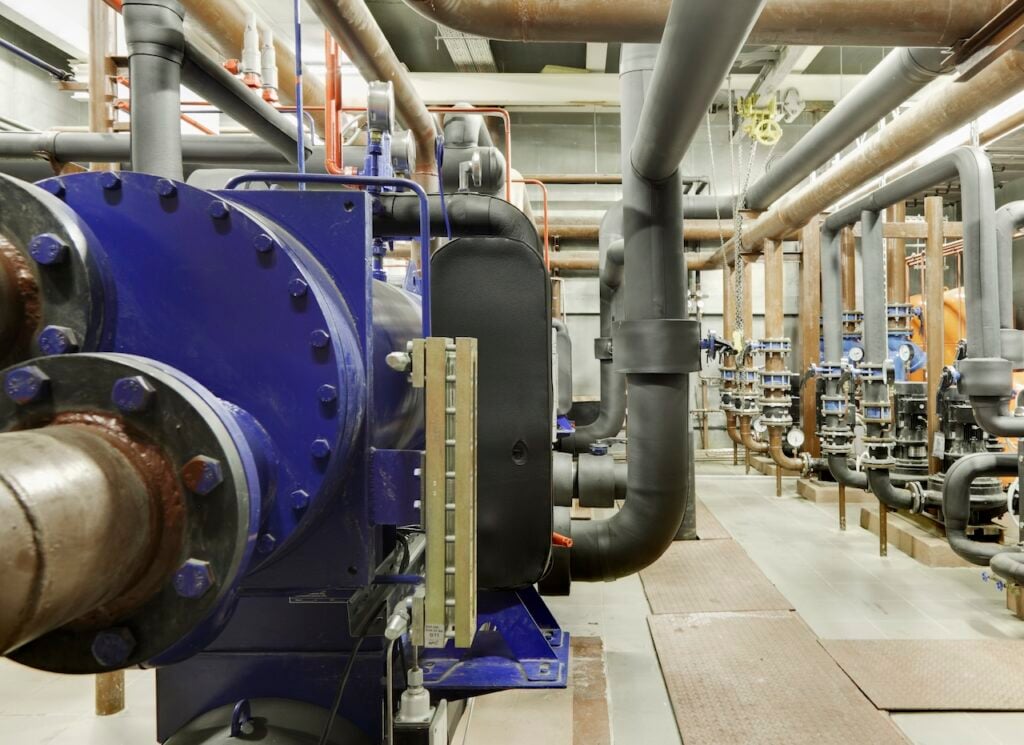
Chiller systems play a pivotal role in maintaining ideal temperature conditions for various applications, from industrial processes to HVAC systems in commercial buildings. However, operating chillers efficiently can become challenging due to fluctuating seasonal demands. Proper seasonal adjustments not only ensure consistent performance but also contribute to significant energy savings. Here’s a guide on how to optimize chiller efficiency throughout the year.
Understanding Seasonal Variations in Chiller Performance
Seasonal changes significantly impact the load placed on chiller systems. In summer, chillers often operate at full capacity to counter higher temperatures. Conversely, in cooler months, the demand is much lower. If chillers are not adjusted to align with these seasonal demands, they may overconsume energy and experience unnecessary wear.
It’s critical to first understand the specific cooling needs for your environment throughout each season. Monitoring system performance data, such as energy consumption, coolant levels, and runtime hours, will reveal patterns that can guide efficiency improvements.
Key Strategies for Seasonal Adjustments
1. Adjusting Set Points for Efficiency
One of the simplest ways to boost chiller efficiency is to recalibrate temperature set points. Warmer seasons generally require lowering set points to meet cooling demands, whereas higher set points suffice in cooler conditions. By fine-tuning these temperatures according to seasonal climates, you can minimize energy consumption without compromising performance.
2. Optimizing Partial-Load Performance
During transitional seasons (spring and fall), chillers often operate under partial-load conditions. To maximize efficiency, invest in variable-speed drives (VSDs) or advanced controls that adjust compressor motor speeds based on real-time load requirements. This avoids unnecessary strain on the system while reducing energy costs.
3. Improve Heat Exchanger Maintenance
Heat exchangers are vital for transferring heat from cooled water to the refrigerant. Seasonal fluctuations can exacerbate fouling or scaling. Before peak summer or at the conclusion of autumn, check and clean the heat exchangers to ensure optimal heat transfer.
Proactive Maintenance as a Year-Round Practice
Although seasonal adjustments significantly enhance efficiency, a foundational maintenance plan is crucial for maximizing results. Here are a few essential steps to include:
- Check for Leaks: Seasonal temperature extremes may stress seals and joints, leading to refrigerant leaks. Conduct inspections to capture inefficiencies early.
- Upgrade System Controls: Smart controls and IoT-enabled sensors can automate seasonal adjustments, providing real-time data insights for improved decision-making.
- Regularly Inspect Condenser Coils: Over time, dirt and debris may collect on the condenser coils, which inhibits heat dissipation. Focus on cleaning these components during preseason preparations.
Leveraging Off-Peak Operations
Chillers often operate best when demand is lower. Scheduling cooling operations during off-peak energy hours not only saves on utility bills but also ensures the system isn’t subjected to excessive strain. By synchronizing operational schedules with seasonal changes, organizations can enhance cost efficiency across the board.
Benefits of Seasonal Optimization
Adapting your chiller operations to match the demands of each season offers several measurable advantages, including:
- Lower Energy Costs: Seasonal adjustments directly reduce wasted energy, cutting utility bills.
- Extended Equipment Lifespan: Modulating performance during low-load seasons mitigates wear and tear, ultimately improving the chiller’s longevity.
- Environmental Sustainability: Efficient operation minimizes carbon emissions, supporting sustainability initiatives.
- Improved Reliability: Preventive seasonal maintenance reduces the risk of untimely breakdowns, ensuring uninterrupted system operation.
Final Thoughts
Optimizing chiller efficiency through seasonal adjustments is not just about conserving energy—it’s about ensuring your system operates at peak performance year-round. By implementing the strategies outlined above, organizations can cut costs, reduce environmental impact, and extend the lifecycle of their equipment. Integrating these practices into an ongoing maintenance plan ensures that your chiller system consistently meets your operational needs, regardless of the season.




More Stories
Trading the Restaurant for the Waves: Why You Should Host Your Next Birthday on the Water
How Do I Get United Airlines Vacation Packages?
How Do I Change My Name on Breeze Airways?