

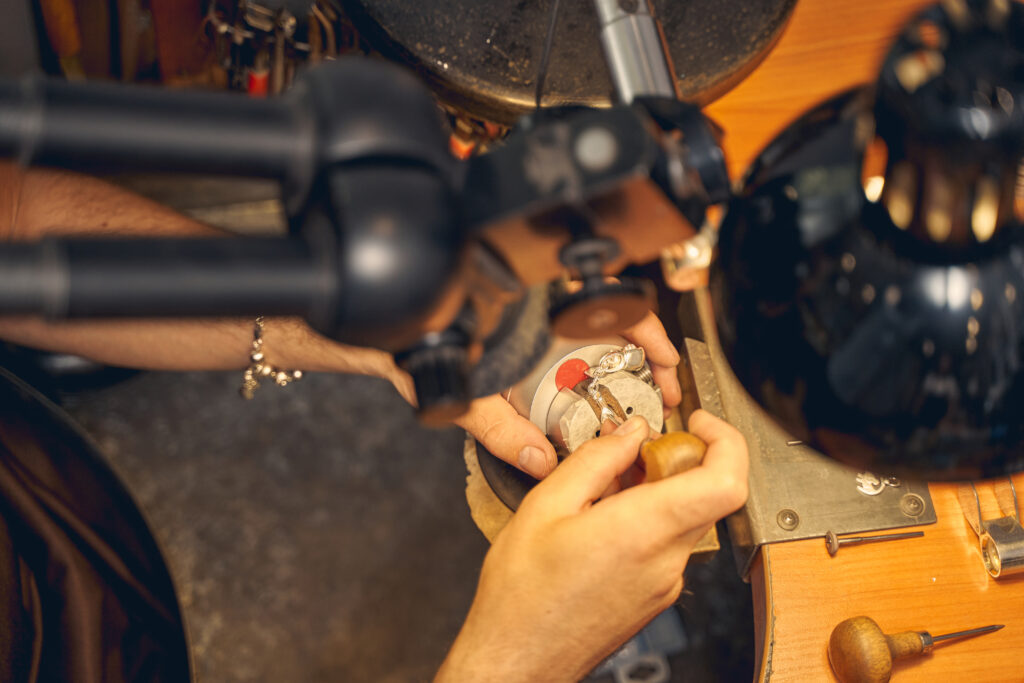
When it comes to something as precious as your jewelry, trusting someone to repair it can seem daunting. Whether it’s a family heirloom or a beloved piece of high-value jewelry, ensuring that the repair shop you choose is legitimate is crucial to the safety of your belongings and the quality of the service. But how can you confirm a shop is reputable? Below, we’ll explore actionable steps and insights to help you identify a legitimate jewelry repair shop.
1. Research Reviews and Reputation
Start by checking the shop’s online reviews. Websites like Google Reviews, Yelp, or even social media platforms can paint a good picture of the repair shop’s credibility. Take note of:
- Positive mentions of professionalism and craftsmanship.
- Long-standing reputation in the community.
- Feedback about specific repairs similar to what you need.
Legitimate businesses are transparent about their reputation, often displaying testimonials or ratings prominently on their website or in-store. If the business is new or has limited feedback, proceed with caution.
2. Verify Certifications and Expertise
An authentic jewelry repair shop employs trained professionals, such as certified gemologists or jewelers with recognized credentials. Certifications from reputable organizations like the Gemological Institute of America (GIA) or similar institutions show that the staff is knowledgeable and qualified.
Ask questions like:
- Are your jewelers certified or licensed?
- Do you specialize in my type of jewelry or repair?
Knowledgeable staff should be more than willing to discuss their credentials and experience openly.
3. Inspect the Workshop and Tools
When visiting the shop, take a good look at its environment and tools. A professional repair shop will have a clean and well-organized workspace equipped with specialized tools required for intricate repairs. Ask to see the equipment or discuss the process of the repair. Shops with transparent policies often offer to walk customers through the steps of the service they will provide.
If the shop appears disorganized or reluctant to disclose details, it could be a red flag.
4. Request a Detailed Estimate
Legitimate shops are upfront about their pricing. They should provide you with a detailed estimate covering:
- Labor costs.
- Material costs (if applicable).
- Timeframe for completion.
They may also offer a warranty for their repairs, establishing a level of accountability. Avoid places that are vague about costs or hesitant to provide a written estimate. Transparency in pricing reflects professionalism and trustworthiness.
5. Look for Evidence of Professional Liability Insurance
A trustworthy jewelry repair shop protects itself—and its customers—by carrying professional liability insurance. This insurance safeguards your items in case of theft, damage, or other mishaps during the repair process. Don’t hesitate to ask whether the business is insured. A shop owner willing to discuss their insurance policies typically indicates reliability.
6. Check for a Written Record of Your Item
When you hand over a piece of jewelry for repair, the shop should provide a comprehensive written record describing:
- The item in detail (e.g., material, gemstones, engravings).
- The condition prior to repair.
- The agreed-upon service and costs.
This documentation ensures there’s no ambiguity if there are concerns later on. A shop unwilling to provide this is less likely to be reputable.
7. Gauge Customer Service
Good customer service is a hallmark of a legit jewelry repair shop. Professional staff take time to answer questions, explain procedures, and ensure customers feel at ease. Red flags include:
- Rushed or dismissive interactions.
- Unwillingness to explain details of the repair or warranty.
A team attentive to your concerns demonstrates that they value your trust and want to deliver a quality experience.
8. Ask About Repair Guarantees
Repair guarantees offer peace of mind that your item will remain in good condition following the service. Legitimate shops often stand by their work and provide a guarantee for a specific time frame. If a shop refuses to offer one, think twice before proceeding.
Final Thoughts
Ensuring your jewelry repair shop is legitimate involves some upfront research and scrutiny. By verifying certifications, inspecting the workshop, and paying attention to customer service and policies, you can safeguard your precious items and avoid unpleasant surprises. While it may take an extra step or two, the peace of mind that comes from choosing the right shop is well worth the effort.



More Stories
5 Signs Your Business Needs Managed IT Support
Trading the Restaurant for the Waves: Why You Should Host Your Next Birthday on the Water
How Do I Get United Airlines Vacation Packages?