

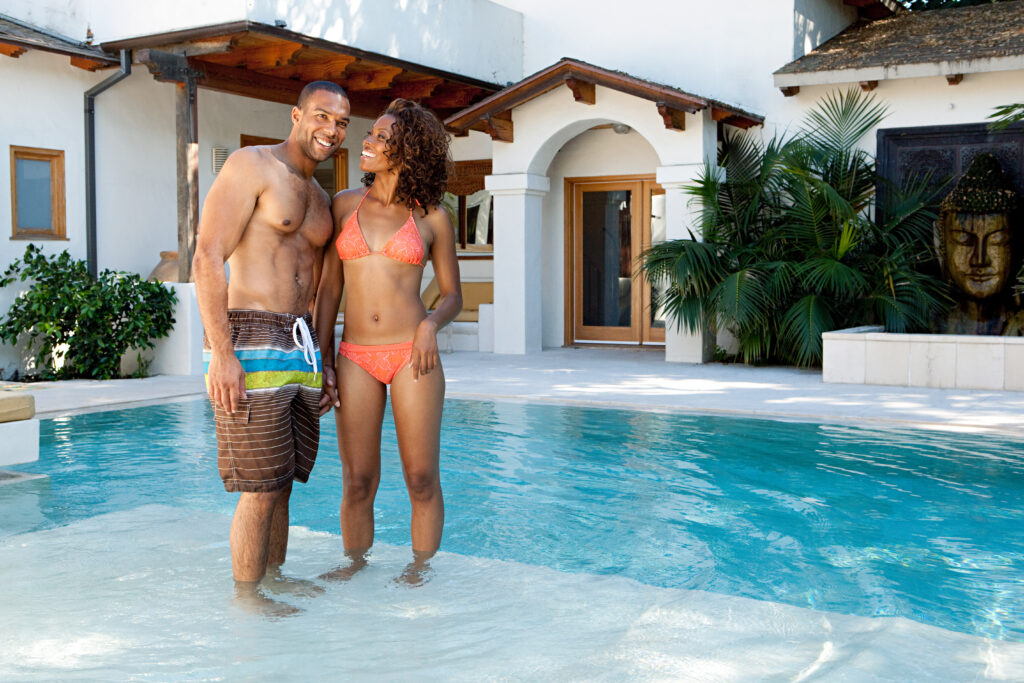
A well-designed pool isn’t just a place to take a dip—it’s an extension of your home’s personality. Done thoughtfully, a pool can harmonize with the architecture of your house and transform your backyard into a cohesive, inviting space. Whether you’re designing a new pool or revamping an existing one, this guide will show you how to create a pool that feels naturally integrated with your home’s architectural style.
1. Understand Your Home’s Architectural Style
Before diving into pool design, it’s crucial to appreciate the nuances of your home’s architectural style. Whether your home is modern, traditional, farmhouse, Mediterranean, or mid-century, your pool should complement rather than clash with its look.
For instance:
- Modern homes often pair beautifully with minimalistic pools featuring clean lines, geometric shapes, and subdued color palettes.
- Traditional styles, on the other hand, benefit from timeless pool shapes like kidney or oval, often enhanced with classic tile detailing or lush landscaping.
- Mediterranean-inspired homes, with their warm tones and intricate finishes, call for pools surrounded by terra-cotta decking, water features, or natural stone.
Study your home’s key design elements and use them as an anchor for your pool ideas.
2. Choose the Right Pool Shape and Design
The shape of your pool significantly impacts whether it blends seamlessly with your home. Consider these approaches aligned with architectural styles:
- Geometric Pools: Best suited for modern or mid-century designs, these pools are rectangular, square, or L-shaped. They offer a sleek, uncluttered look.
- Organic Pools: Great for rustic, farmhouse, or naturalistic homes, these pools often mimic natural water bodies and have curves or irregular shapes.
- Classic or Kidney-Shaped Pools: Perfect for traditional and vintage homes, they exude a sense of timeless elegance.
The design doesn’t end with the pool’s shape. Elements like the pool’s tiles, coping, or even interior color can tie the aesthetics together. For example, mosaic tiles in earthy tones might resonate with a Tuscan-style home, whereas a polished black or gray pool interior matches a contemporary design.
3. Match Materials and Finishes
Your pool materials should feel like a natural extension of your home. Pay attention to details like decking, coping, and tiling. These elements can largely influence the pool’s overall look and feel.
- For traditional homes, go for natural stone, brick, or stamped concrete decking to maintain a classic touch.
- Modern homes may benefit from sleek finishes like polished concrete or large-format pavers with clean edges.
- Mediterranean designs shine when paired with terracotta tiles, mosaic accents, or warm-toned travertine decks.
The same logic applies to your pool’s fencing or boundary wall, which should echo the textures and tones of your home’s facade.
4. Incorporate Landscaping Thoughtfully
Landscaping bridges your home, the pool area, and the surrounding environment. A thoughtfully designed garden not only enhances beauty but also anchors your pool’s visual identity.
- For traditional homes, choose classic flora: boxwood hedges, roses, or neatly trimmed lawns.
- For Mediterranean designs, incorporate olive trees, lavender, or cascading bougainvillea.
- Modern homes—focus on minimal landscaping with ornamental grasses, succulents, and clean, open spaces.
When choosing plants, remember to prioritize low-maintenance and pool-friendly species (ones that don’t shed excessively and can withstand chlorine exposure).
5. Consider Practicality Alongside Style
While aesthetics are crucial, functionality can’t be ignored. Think of how your pool will serve your lifestyle and the climate surrounding your home.
- Shading: Opt for pergolas, umbrellas, or cabanas that match the materials and style of your home.
- Lighting: Ambient lighting in and around your pool is essential not only for practicality but also for enhancing its evening appeal. Warm lighting suits traditional and Mediterranean homes, while modern homes can play with cool-toned LED lighting.
- Deck Features: Include features like built-in benches, lounging areas, or fire pits that echo your home’s design ethos.
Final Thoughts
Designing a pool in harmony with your home’s architecture not only elevates aesthetics but improves the overall value and enjoyment of the property. By focusing on the key elements—shape, materials, landscaping, and practical features—you can create a pool that looks like it was always meant to be there. So, whether you want a tranquil retreat or an entertainment hub, let your home’s architecture guide your choices for a truly seamless design.




More Stories
Trading the Restaurant for the Waves: Why You Should Host Your Next Birthday on the Water
How Do I Get United Airlines Vacation Packages?
How Do I Change My Name on Breeze Airways?