

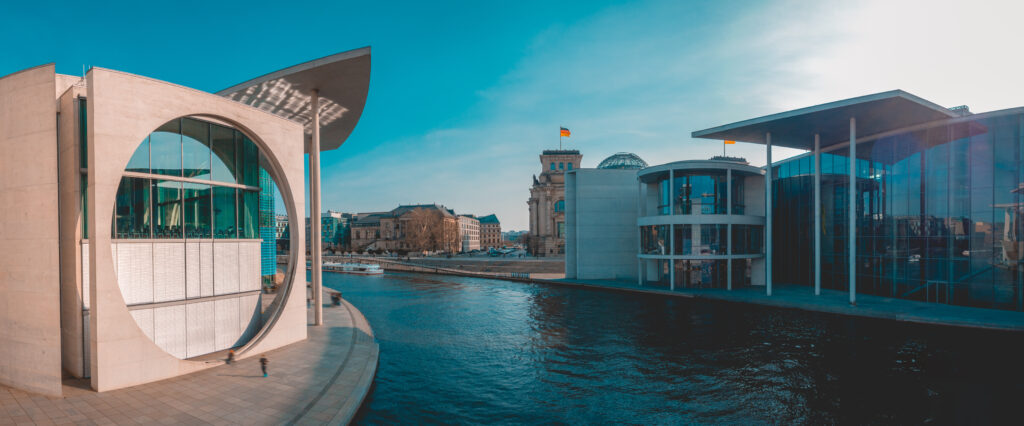
Structural glass is more than just a modern architectural trend; it is a vital component of sustainable design. Blending transparency with functionality, this material plays a crucial role in reducing energy consumption in buildings. In this article, we’ll explore how structural glass contributes to energy efficiency, its applications in innovative architectural designs, and its long-term benefits for both the environment and occupants.
Understanding Structural Glass in Modern Architecture
Structural glass differs from traditional glass in its load-bearing capacity and versatility. Unlike standard glass, structural glass can support substantial weight and be integrated into both exterior and interior designs. From curtain walls to glass façades, this material allows architects to create bold, light-filled spaces.
The growing prevalence of glass structures in modern architecture isn’t only about aesthetics. Its use aligns with sustainable building practices and tightens energy efficiency standards. When properly implemented, structural glass strikes an excellent balance between cutting-edge design and environmental responsibility.
Thermal Performance and Energy Conservation
One of the core reasons why structural glass enhances energy efficiency is its thermal performance. Advanced glass manufacturing technologies, such as double and triple glazing, low-emissivity (Low-E) coatings, and insulated glass units (IGUs), significantly reduce heat transfer through glass surfaces.
Key Benefits of Energy-Efficient Glass:
- Reduced Heat Loss: Low-E coatings reflect interior heat back into the building during colder months, minimizing the need for central heating.
- Controlled Solar Heat Gain: During warmer months, glass designed to limit solar heat transmission prevents over-reliance on air conditioning.
- Natural Daylighting: Transparent glass structures maximize natural light, which means less dependency on artificial lighting during daylight hours.
These attributes demonstrate how glass can create comfortable environments while lessening energy demand, leading to lower utility costs and a reduced carbon footprint.
Innovations in Glass Structures for Energy Efficiency
Glass has seen groundbreaking advancements that further cement its role in sustainable architecture. Let’s explore some innovations that make it the champion of energy-efficient building materials:
- Photovoltaic Glass
Integrated solar panels in photovoltaic glass enable structures to generate clean energy directly from sunlight. Buildings designed with this technology not only cut electricity costs but also contribute to renewable energy adoption. - Electrochromic Glass
Also known as “smart glass,” this technology adjusts its transparency or opacity depending on outdoor lighting conditions, helping regulate interior temperatures. - Triple-Glazed Glass Systems
Incorporating three layers of glass with insulating gas in between enhances thermal insulation, making buildings less susceptible to heat loss or gain.
Beyond Energy Savings: Additional Benefits of Structural Glass
While energy efficiency is a primary advantage, structural glass offers additional perks that extend its appeal even further:
- Aesthetic Appeal: Expansive glass panels create open, modern spaces that enhance well-being and productivity.
- Improved Indoor Air Quality: By encouraging natural ventilation and incorporating systems in tandem with glass designs, buildings can minimize the need for mechanical ventilation.
- Durability: The robust composition of structural glass ensures longevity, reducing long-term maintenance demands and material waste.
These benefits highlight the holistic value glass structures can offer — making them indispensable in high-performance building design.
Applications of Structural Glass in Energy-Efficient Buildings
Structural glass finds application across a variety of structures, from commercial skyscrapers to green homes. Here are some examples of its impactful use:
- Glass Façades: These dramatic architectural statements are both visually stunning and functional, offering exceptional daylighting and reducing energy requirements.
- Greenhouses and Atriums: Large-scale glass installations for greenhouses optimize solar gain while providing excellent thermal control for plant growth or temperature-regulated indoor spaces.
- Skylights and Overhangs: Skylights equipped with reflective coatings scatter natural light within interiors, transforming dark spaces into eco-friendly, bright environments.
By integrating these glass technologies with energy-saving design strategies, buildings can achieve a lower environmental impact and an enhanced occupant experience.
Investing in the Future with Energy-Efficient Glass
As global focus shifts to sustainable living and environmental preservation, structural glass provides a path forward. Its ability to conserve energy, improve indoor comfort, and reduce carbon emissions places it at the forefront of architectural innovation. Whether it’s for residential homes or sprawling commercial complexes, energy-efficient glass is becoming a building block for smarter constructions.
Structural glass redefines the way we think about architecture and environmental sustainability. By incorporating innovative technologies and focusing on energy efficiency, it continues to bridge the gap between modern design and ecological responsibility. For architects, builders, and homeowners, its long-term advantages make it a powerful ally in creating a greener, brighter future.


More Stories
How Do I Get United Airlines Vacation Packages?
How Do I Change My Name on Breeze Airways?
What Is the LATAM Airlines Name Change Policy?