

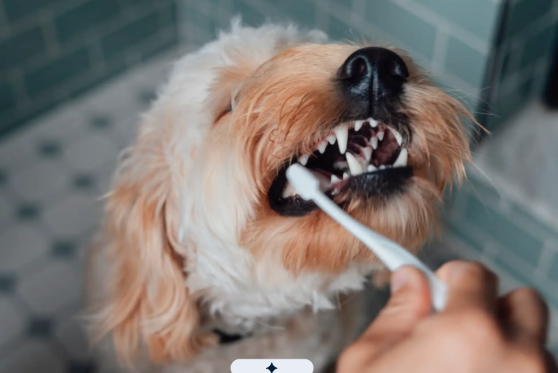
A healthy mouth is an important part of a pet’s overall well-being. Dogs and cats use their teeth every day to eat, play, and interact with their surroundings, yet pets oral dental is often overlooked until a noticeable problem develops. Bad breath, red gums, difficulty chewing or changes in eating habits may seem minor at first, but they can indicate an underlying oral-health issue that requires veterinary attention.
Regular dental care can help identify these problems before they become more serious. From routine examinations to professional cleaning and treatment of damaged teeth, veterinary dental care focuses on keeping the mouth comfortable and healthy. Understanding the importance of oral hygiene can help pet owners make better decisions about their companion’s long-term health.
Why Oral Health Matters for Pets
Dental problems are common among pets, particularly as they get older. Food particles and bacteria can accumulate on the teeth, creating plaque. If plaque isn’t removed, it can harden into tartar. Over time, this buildup can contribute to gum inflammation and periodontal disease.
The effects may extend beyond unpleasant breath. Advanced dental disease can cause discomfort, affect eating habits and contribute to damage around the teeth and supporting tissues. This is why pets’ oral dental health should be considered an essential part of routine veterinary care rather than something to address only when a visible problem appears.
Recognising the Signs of Dental Problems
Pets cannot tell their owners that a tooth hurts, and many animals continue to behave normally despite oral discomfort. Owners should therefore pay attention to subtle changes.
Some common warning signs include:
- Persistent or unusually strong bad breath
- Red, swollen or bleeding gums
- Yellow or brown buildup on the teeth
- Loose or damaged teeth
- Excessive drooling
- Difficulty chewing
- Dropping food while eating
- Reduced appetite
- Pawing at the mouth
- Swelling around the face or jaw
Not every symptom indicates severe dental disease, but a veterinarian should evaluate persistent changes.
Plaque, Tartar and Gum Disease
Plaque is a soft bacterial film that forms naturally on the surface of teeth. Without adequate cleaning, it can harden into tartar. Unlike soft plaque, hardened tartar is difficult to remove through ordinary brushing.
As bacteria accumulate around the gumline, the gums may become inflamed. This condition can progress and affect the tissues supporting the teeth. Periodontal disease can eventually result in pain, tooth damage and tooth loss.
Regular veterinary examinations help identify oral conditions by severity. Early intervention can be particularly valuable because it may prevent minor dental concerns from developing into more complicated problems.
Home Dental Care Has an Important Role
Professional veterinary treatment is only one part of maintaining good oral health. Pet owners can also establish a consistent at-home dental-care routine.
Depending on the animal and veterinary advice, this may include regular tooth brushing with products specifically intended for pets. Dental diets, chews, and other oral-care products may also play a role, but owners should choose them appropriately for the pet.
Introducing brushing gradually can make the process easier. Some pets may initially resist having their mouths handled, so owners can start by letting the animal get comfortable with gentle contact before introducing a toothbrush.
Home care should complement, not replace, professional veterinary assessment.
What Happens During Professional Dental Care?
Veterinary dental care begins with an examination. The veterinarian assesses the teeth, gums and other visible structures in the mouth and looks for signs of inflammation, damage or disease.
Where appropriate, professional cleaning can remove accumulated plaque and tartar more effectively than ordinary home brushing. Scaling helps address deposits on the teeth, while polishing can help create a smoother tooth surface after cleaning.
In some cases, additional treatment may be required. Damaged or unhealthy teeth may need further evaluation, extraction or another dental procedure. The appropriate treatment depends on the individual pet’s condition.
Why Professional Cleaning Can Be Beneficial
Even pets that receive regular home care can develop buildup in areas that are difficult to reach. Professional cleaning allows a veterinary team to examine the mouth more thoroughly and address dental deposits that cannot be adequately managed at home.
Another advantage is that professional assessment can identify problems that may not be obvious to an owner. A pet may keep eating despite oral discomfort, so visible changes may not appear until the disease is advanced.
For owners searching for pet dental care in Dubai, choosing veterinary professionals who can assess the animal’s individual dental condition is an important consideration.
Dental Care for Different Life Stages
A young pet may require a different dental care approach from an older animal. Puppies and kittens are still developing their adult teeth, while mature pets may be at greater risk of plaque buildup and periodontal problems.
Breed, diet, chewing habits and individual health can also influence oral-health needs. Rather than following one fixed dental routine for every pet, owners should discuss an appropriate preventive-care plan with their veterinarian.
Senior pets may benefit from particularly careful monitoring because dental disease can become more common with age. Take any change in appetite, chewing behaviour, or general comfort seriously.
How Owners Can Support Better Oral Health
Pet owners can take several practical steps to support dental wellbeing:
- Schedule routine veterinary examinations.
- Introduce appropriate home brushing where possible.
- Use only pet-specific dental products.
- Monitor breath, gums and teeth regularly.
- Watch for changes in eating or chewing.
- Avoid removing hardened tartar with household tools.
- Seek professional advice when signs of pain or inflammation appear.
The most effective approach combines prevention, observation and professional care.
Conclusion
Dental health is closely connected with a pet’s comfort and quality of life. Routine examinations, appropriate home care and professional treatment can help identify oral problems and address them before they become more advanced. Owners should not assume that bad breath or changes in eating behaviour are simply a normal part of ageing. A veterinary evaluation can determine whether these signs are linked to dental disease or another underlying concern.
For pet owners looking for dependable pet oral dental support or professional pet dental care dubai, early attention and regular preventive care can make a meaningful difference. Pet Point Veterinary Clinic provides veterinary dental care tailored to each animal’s needs, helping owners take a more proactive approach to their companion’s oral health.




More Stories
Trading the Restaurant for the Waves: Why You Should Host Your Next Birthday on the Water
How Do I Get United Airlines Vacation Packages?
How Do I Change My Name on Breeze Airways?