

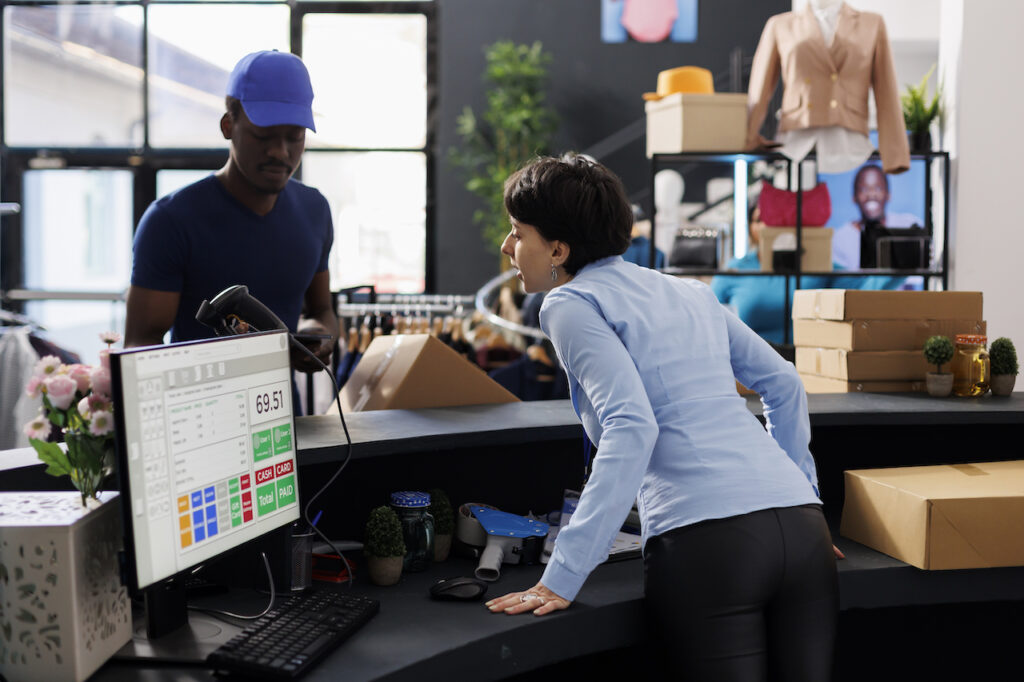
The retail industry is constantly evolving, with new challenges and opportunities emerging every year. Rising customer expectations, supply chain disruptions, and the growing dominance of e-commerce all present unique hurdles. However, there’s a powerful tool at the heart of this transformation that can help retail businesses thrive: IT services. From boosting operational efficiency to enhancing customer experiences, IT services have the potential to revolutionize the industry.
Below, we’ll explore how incorporating technology can reshape retail operations and set businesses apart from the crowd.
1. Enhancing the Customer Experience
Modern customers expect seamless shopping experiences, whether they’re online, in-store, or using a combination of both. IT services allow retailers to cater to these high expectations by integrating technology into the customer experience:
- Omnichannel Integration: IT solutions enable the unification of online and offline retail experiences. A customer can browse online, pick up in-store, and track their order status in real time.
- Personalized Recommendations: AI-powered algorithms analyze customer purchase history and browsing behavior to offer tailored recommendations, creating a more engaging shopping experience.
- Self-Checkout Systems: Many physical stores now feature IT-driven self-checkout kiosks that speed up the process while reducing operational costs.
By leveraging IT to enhance every touchpoint, retailers build trust with their customers and encourage loyalty.
2. Streamlining Retail Operations
Efficient operations behind the scenes are just as important as a smooth customer experience. IT services help retailers optimize processes in the following ways:
- Inventory Management Systems: Real-time tracking and demand forecasting tools ensure retailers maintain optimal stock levels, avoiding overstocking or running out of high-demand products.
- Automated Supply Chain Solutions: Technologies like IoT (Internet of Things) sensors and predictive analytics help retailers monitor their supply chains and plan ahead.
- Point-of-Sale (POS) Systems: Cloud-based POS systems allow businesses to process transactions more efficiently, even supporting offline sales when internet connectivity is lost.
By addressing inefficiencies and automating manual tasks, IT makes retail operations leaner and more cost-effective.
3. Empowering Data-Driven Decision-Making
The retail industry thrives on understanding customer behavior and market trends, which is why data is one of the most valuable resources today. IT services provide businesses with advanced analytics tools to collect and interpret data in meaningful ways:
- Customer Insights: Retailers can analyze demographic, purchasing, and behavioral data to create more targeted marketing campaigns.
- Sales Projections: Predictive analytics tools allow businesses to anticipate sales trends and adjust their strategies accordingly.
- Performance Tracking: Retailers can track performance metrics across locations and sales teams, enabling informed decision-making at every level.
Data-driven decision-making gives businesses the agility they need to respond to market changes quickly and effectively.
4. Improving Retail Cybersecurity
With the rise of e-commerce and digital payments, cybersecurity has become a top priority in the retail industry. IT services provide multi-layered security solutions to protect sensitive customer information and ensure compliance with data privacy laws.
- Encryption Protocols: Secure payment processing and data encryption keep financial information safe.
- Fraud Prevention: AI-powered fraud detection systems can flag unusual activity and prevent unauthorized transactions in real time.
- Compliance Management: IT providers ensure retailers meet industry standards for data protection, such as PCI DSS compliance for payment security.
Investing in robust cybersecurity measures not only protects a retailer’s reputation but also fosters trust among customers.
5. Supporting Sustainability Goals
Sustainability is increasingly influencing customer purchasing decisions, and IT plays a role in helping retailers meet these expectations. Technologies like supply chain optimization software reduce waste and improve resource efficiency. Energy-monitoring systems can also track utility usage across stores, helping businesses adopt greener practices.
Final Thoughts
IT services are no longer a luxury for retailers; they’re an essential part of staying competitive in a rapidly evolving market. From enhancing customer experience and optimizing backend operations to enabling data-driven decisions and robust cybersecurity, the possibilities are endless. Retailers that adopt these technologies position themselves to not only survive but thrive in the face of industry challenges.



More Stories
Trading the Restaurant for the Waves: Why You Should Host Your Next Birthday on the Water
How Do I Get United Airlines Vacation Packages?
How Do I Change My Name on Breeze Airways?