

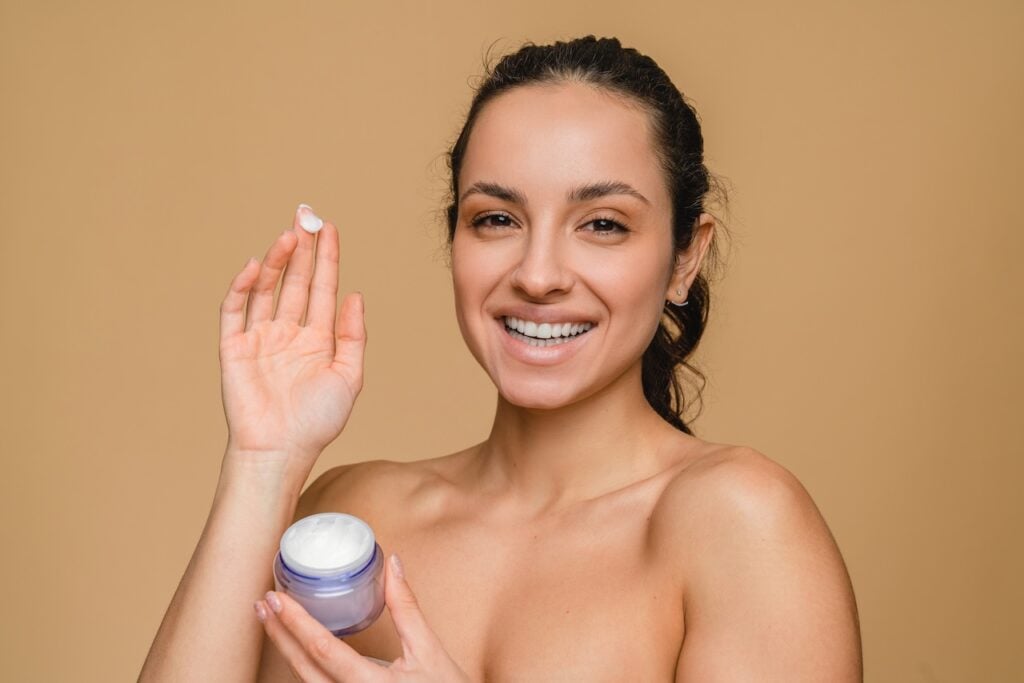
Moisturizer is a staple in most skincare routines, providing hydration and supporting the skin’s health. However, did you know the climate you live in can greatly impact how your moisturizer performs? From steamy, tropical climates to icy, arid regions, understanding how environmental factors influence your skincare can help you make better choices and keep your skin glowing year-round.
Why Climate Matters in Skincare
Your skin’s needs change depending on external factors. Climate—whether it’s hot, humid, dry, or cold—has a direct impact on your skin’s ability to retain moisture. This means the effectiveness of any moisturizer you use can differ based on where you live or the season. Knowing this connection is crucial for tailoring your skincare and choosing the right formulations for optimal results.
The Role of Humidity in Moisturizer Performance
Humidity, or the amount of water vapor in the air, drastically alters how moisturizers behave on your skin. Here’s how:
High-Humidity Environments
In regions with high levels of humidity, such as tropical areas, there’s plenty of moisture in the air. Because your skin isn’t losing as much water through evaporation, lightweight moisturizers typically work fine. Heavy, oil-based creams could feel too greasy and clog your pores in these environments. Instead, water-based or gel formulations are ideal because they provide hydration without overwhelming the skin.
Low-Humidity Zones
Conversely, arid climates or heated indoor spaces during winter have low humidity levels, leading to faster water loss from your skin. Parched air pulls moisture from your skin, making rich, occlusive moisturizers more suitable. These products help lock in hydration and create a barrier against environmental dryness. Look for ingredients like shea butter or petrolatum for added protection in such drying conditions.
Temperature and Its Influence
Temperature extremes, whether hot or cold, also play a significant role in how well your moisturizer performs:
Warm Weather
In warmer climates, your skin may produce more natural oils, leading some to believe they can skip moisturizing. However, this is a misconception. Sweat and sun exposure can dehydrate the skin, so you’ll still need a moisturizer to replenish lost moisture. Focus on lightweight, non-comedogenic options to avoid clogging your pores. Additionally, look for moisturizers with SPF to shield your skin from UV damage.
Cold Weather
Freezing temperatures, paired with harsh winds and low humidity, can cause significant moisture loss and even skin damage. In such cases, rich, emollient-based moisturizers with ingredients like ceramides or hyaluronic acid are essential. They help restore the skin’s barrier, keeping it soft and hydrated even in tough winter conditions.
How to Choose the Right Moisturizer for Your Climate
Selecting a moisturizer isn’t just about finding products for your skin type. You also need to consider the environment you’re navigating daily. Below are some tips to guide your choice:
- Understand Your Skin’s Current Condition
Is your skin feeling tight and dry, or is it becoming oily by mid-day? Evaluate how your skin reacts under specific weather conditions before picking a product. - Look for Compatible Ingredients
- For humid climates, ingredients like glycerin and aloe vera are lightweight and effective.
- For dry environments, occlusives like squalane and lanolin can seal in much-needed moisture.
- Check Product Labels Carefully
Terms like “non-comedogenic” and “oil-free” are essential in warmer, humid climates, while “intense hydration” or “moisture barrier” formulations are better suited for colder conditions. - Consider Your Activity Levels
If you’re active or often outdoors, lightweight moisturizers with added SPF are ideal for sunny climates. On cooler days when you’re indoors, richer creams offer more intensive hydration.
Conclusion
The climate you live in—even if temporary—plays a pivotal role in determining how your moisturizer performs. By understanding the relationship between environmental factors like humidity, temperature, and seasonal changes, you can adapt your skincare routine to meet your skin’s needs. The right moisturizer tailored for your climate doesn’t just hydrate your skin; it enhances its health, resilience, and glow all year long.
Take the time to evaluate your environment and adjust your skincare accordingly. Your skin will thank you for it!




More Stories
Trading the Restaurant for the Waves: Why You Should Host Your Next Birthday on the Water
How Do I Get United Airlines Vacation Packages?
How Do I Change My Name on Breeze Airways?