

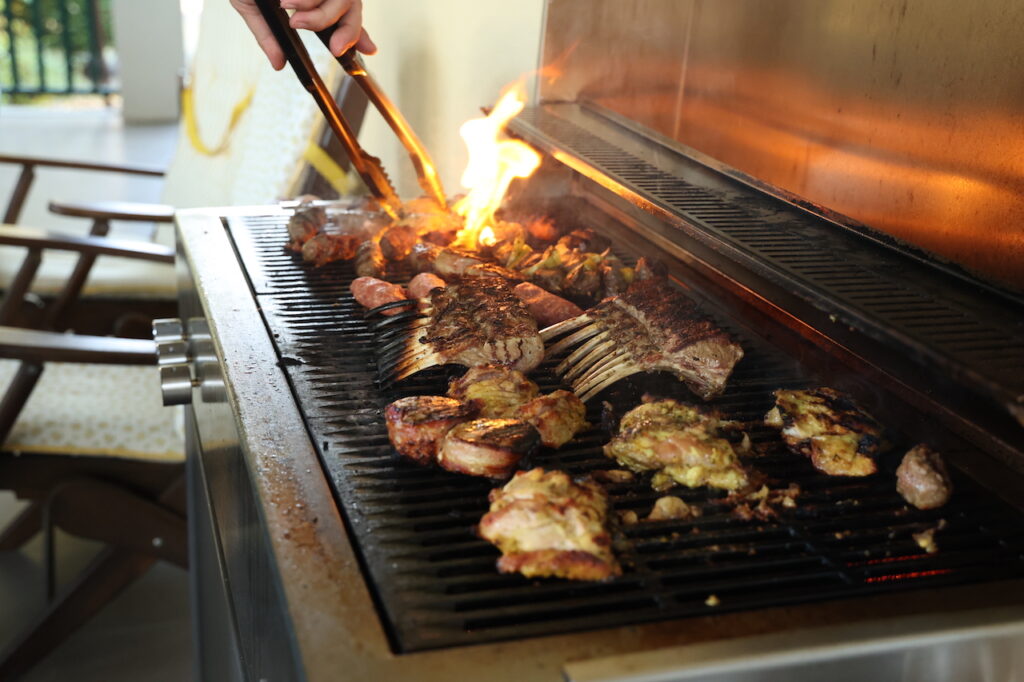
Running a restaurant grill line during peak hours can get chaotic fast. Orders pile up, staff rush to keep up, and mistakes happen. The result? Stressed employees, slower service, and dissatisfied customers. But what if you could speed up cooking without sacrificing the quality your diners expect?
The truth is, a well-organized, efficient grill line can make all the difference. Here’s how you can streamline your operations while ensuring every plate meets your high standards.
Why Grill Line Efficiency Matters
Your grill line is the heartbeat of your restaurant. A smooth grill operation impacts:
- Speed of Service: Quickly prepared meals mean happy customers and more table turnover.
- Consistency: A streamlined workflow ensures food quality stays consistent from dish to dish.
- Employee Morale: A chaotic kitchen can wear down your team. An efficient system reduces stress and improves their work environment.
- Revenue: Faster service increases your ability to serve more customers, boosting sales.
The challenge is finding that balance between speed and quality, but it’s absolutely achievable.
6 Ways to Improve Grill Line Efficiency
1. Optimize Your Station Setup
A well-organized workstation is key to speed and consistency. Here’s what to focus on:
- Position Essentials Within Arm’s Reach: Tools, seasonings, sauces, and garnishes should all be easy to grab to minimize unnecessary movement.
- Label and Organize Ingredients: Proper labeling ensures staff can grab the right items quickly. Consider using color-coded containers for added clarity.
- Keep Ingredients Pre-Portioned: Pre-measuring everything from burger patties to steak toppings reduces prep time during the shift.
2. Invest in Quality Equipment
Outdated or inefficient equipment slows everything down. Upgrading to high-quality grills and tools can drastically reduce cook times. Key improvements might include:
- Grills with precise temperature control for consistent cooking.
- Presses or clamp-style griddles for faster cooking times without compromising quality.
- Modern exhaust systems to maintain a safe and comfortable environment.
3. Streamline Communication
Clear, efficient communication prevents errors and ensures a steady workflow. Use tools like kitchen headsets or communication apps to keep everyone in sync. Additionally:
- Implement a standard call-out system for orders.
- Train team members to confirm and repeat orders to avoid mistakes.
- Assign specific roles during busy hours to create clarity (ex. one person handles protein while another handles sides).
4. Utilize Pre-Cooking Techniques
Pre-cooking doesn’t mean sacrificing freshness. Instead, it can improve efficiency while still delivering high-quality meals. Some options include:
- Sous Vide Cooking: Pre-cook proteins like steaks or chicken sous vide until they’re nearly done, then finish them on the grill for perfect results.
- Par-Cooking: For high-volume items like burgers or ribs, cook halfway through and finish to order during busy times.
- Batch Cooking (where appropriate): Items like roasted vegetables or sauces can be prepared in larger quantities and kept warm for service.
5. Leverage Technology
Kitchen automation is no longer reserved for high-tech establishments. Consider incorporating technology to boost productivity:
- Kitchen Display Systems (KDS): Digital screens replace ticket printers, streamlining order management and reducing miscommunications.
- Timers and Smart Thermometers: Minimize overcooking by using smart tools to alert staff when food is ready.
- Inventory Management Software: Track ingredient levels in real time, preventing delays caused by missing items.
6. Provide Comprehensive Training
Your staff is the backbone of your operation, and training them well is crucial for efficiency:
- Cross-train team members so they can step in wherever needed.
- Hold regular training sessions on equipment usage, station setup, and communication techniques.
- Teach time-saving tips, like flipping items only once or identifying visual cues for doneness.
Take Action Today
Implementing these strategies step-by-step can have a huge impact. Whether it’s reorganizing your workspace, investing in better tools, or refining your team’s communication, every little improvement adds up to significant results.



More Stories
Trading the Restaurant for the Waves: Why You Should Host Your Next Birthday on the Water
How Do I Get United Airlines Vacation Packages?
How Do I Change My Name on Breeze Airways?