

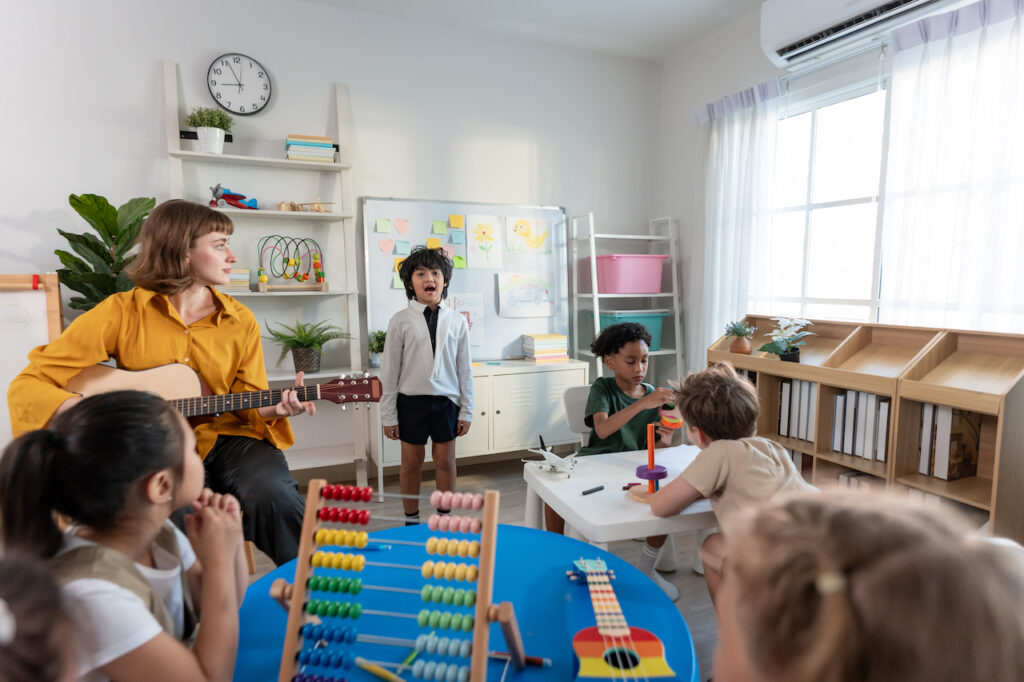
Creativity is an essential life skill, and fostering it during childhood can have profound effects on a child’s development and learning growth. From problem-solving and critical thinking to emotional expression and confidence building, encouraging creativity paves the way for a lifetime of innovative thinking and exploration.
But how do you spark a child’s imagination? The good news is that nurturing creativity often lies in simple, everyday activities. Here’s a guide to understanding why creativity matters in early childhood and how you can actively inspire young minds through engaging and fun activities.
Why is Creativity Important in Early Childhood?
Encouraging creativity goes beyond drawing pictures or crafting cute projects. It contributes to a child’s overall learning growth by developing important skills like:
- Problem-solving abilities: Creative activities often require children to think flexibly and find new ways to approach challenges.
- Critical thinking: Open-ended play fosters exploration and experimentation, helping kids analyze situations and draw conclusions.
- Communication skills: Creative expression allows children to communicate their thoughts, feelings, and ideas in unique ways.
- Self-confidence: Successfully bringing ideas to life builds self-esteem and helps children understand their potential.
- Academic improvements: Research shows that creativity in early childhood positively impacts cognitive skills, which can enhance academic performance later in life.
The earlier children are exposed to creativity-encouraging environments, the greater the benefits they’ll enjoy as they grow.
Fun and Effective Activities to Encourage Creativity
Here are five simple yet impactful activities designed to spark imagination and inspire learning for young minds:
1. Open-Ended Art Projects
Provide children with an assortment of supplies like crayons, markers, watercolors, paper, glue, and recycled materials like cardboard or fabric scraps. Encourage them to create whatever comes to their mind without strict guidelines. Focus on the creative process rather than the finished product.
Learning Growth Connection: Open-ended art develops motor skills, spatial awareness, and emotional expression, all while fostering independent thinking.
2. Storytelling Adventures
Encourage your child to create their own stories using prompts or picture books for inspiration. You can even act out the story together using puppets, dolls, or costumes.
Learning Growth Connection: Storytelling enhances vocabulary, language skills, and cognitive imagination, laying the groundwork for better writing and communication.
3. Exploring Nature and Outdoor Play
Take your child to a park, garden, or nearby nature trail and encourage them to interact with their environment. Activities like collecting leaves, building forts, or making natural art with sticks and rocks can inspire creativity through exploration.
Learning Growth Connection: Outdoor play boosts problem-solving skills, physical coordination, and sensory awareness while nurturing a sense of wonder.
4. Building with Blocks and Loose Parts
Provide materials like wooden blocks, Legos, or random objects like bottle caps, clothespins, or fabric pieces. Encourage children to build structures, vehicles, or imaginary worlds.
Learning Growth Connection: Building helps develop spatial reasoning, engineering skills, and innovative thinking as children experiment with form and function.
5. Music and Movement Play
Introduce your child to music instruments like drums, shakers, or xylophones, and encourage free play. Turn on some music and have a dance party or create your own family choreography.
Learning Growth Connection: Music and movement foster emotional expression, creativity in rhythm, and gross motor coordination while boosting mood and energy.
Unlocking Lifelong Potential Through Creativity
Encouraging creativity in early childhood is about more than having fun (though that’s an important part!). It’s about enrichening your child’s learning growth and shaping them into innovative, confident, and emotionally capable individuals.
The best part? You don’t need expensive tools or expert knowledge to inspire your child’s imagination. With just a bit of time, freedom, and encouragement, you can foster a creative environment that helps your young one thrive.




More Stories
How Do I Get United Airlines Vacation Packages?
How Do I Change My Name on Breeze Airways?
What Is the LATAM Airlines Name Change Policy?