

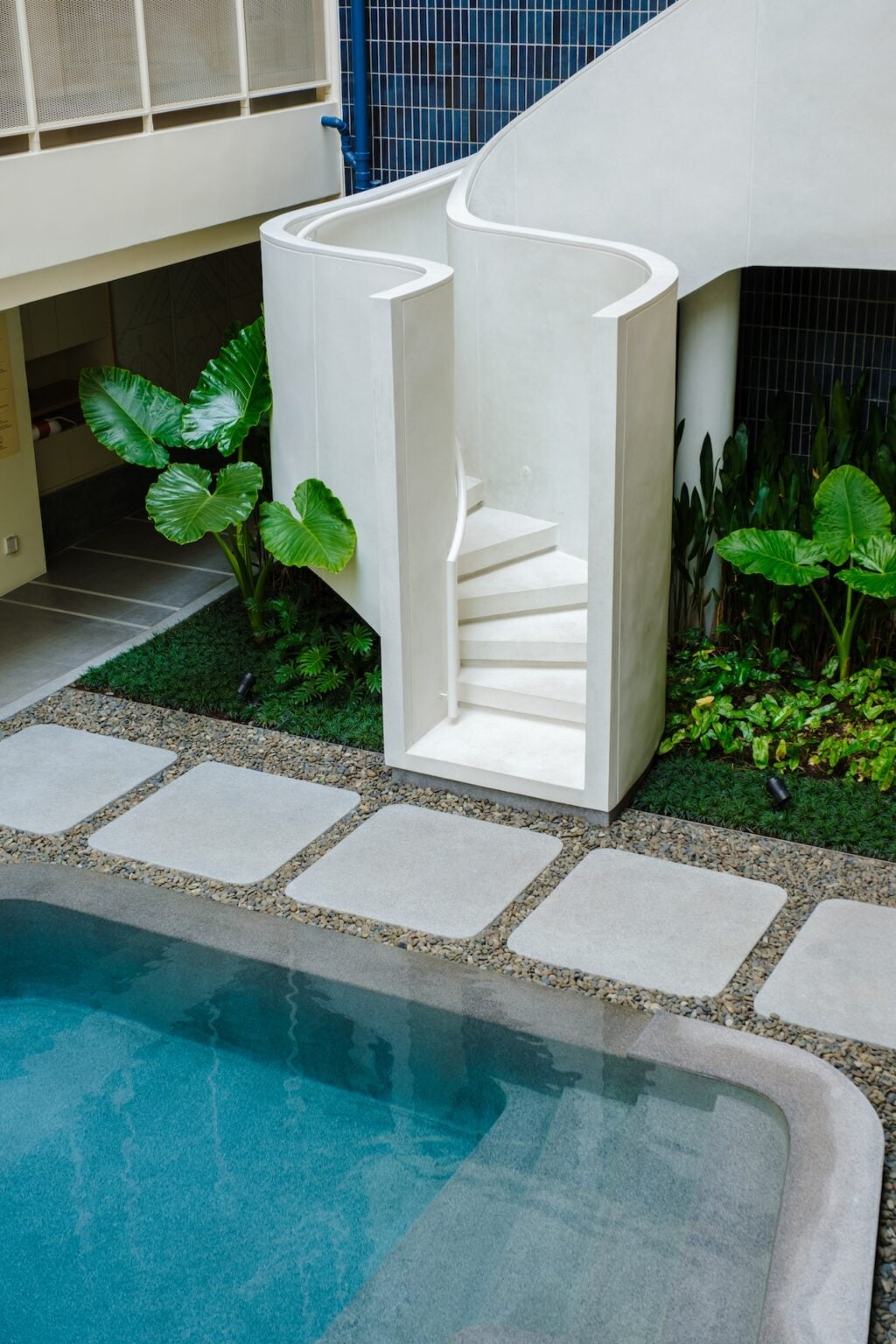
A pool can be a relaxing retreat and a stunning centerpiece for any home. However, traditional pools can demand high maintenance and significant resource consumption. Thankfully, eco-friendly pool designs provide a sustainable and lower-maintenance alternative, allowing you to enjoy your oasis while minimizing environmental impact.
In this article, we’ll explore eco-friendly pool ideas that embrace sustainability and reduce upkeep efforts. Whether you’re designing a new pool or looking to modify your existing one, these tips will guide you toward a greener, hassle-free swimming experience.
1. Naturally Filtered Pools (Natural Swimming Pools)
A natural swimming pool (NSP) uses a biological filtration system instead of chemical treatments like chlorine. These pools include a regeneration zone filled with aquatic plants and beneficial bacteria that purify the water organically.
Benefits:
- No Chemicals: Eliminate chlorine and other harmful substances that can irritate skin and harm the environment.
- Low Maintenance: Once the ecosystem is established, the pool requires minimal maintenance beyond routine debris removal.
- Aesthetic Appeal: The inclusion of plants and rock formations creates a visually stunning, natural vibe.
2. Energy-Efficient Pool Equipment
Switch to energy-efficient pool equipment to minimize energy consumption and carbon footprint. Some suggestions include:
- Variable-Speed Pool Pumps: These pumps adjust their speed based on the pool’s needs, saving energy while maintaining water circulation.
- LED Pool Lighting: LED bulbs last longer and consume far less energy compared to traditional lights.
- Solar Pool Heaters: Utilize solar energy to warm your pool, drastically reducing reliance on electricity or gas-powered heating systems.
By upgrading to energy-efficient tools, you’ll not only conserve resources but also save on your utility bills in the long run.
3. Solar Pool Covers
Solar pool covers are more than just an accessory—they’re an energy-saving powerhouse. These covers trap warmth from the sun, helping to heat your pool water naturally. They also reduce evaporation, which conserves water and maintains chemical balance.
Why Use Solar Covers?
- Warmer Water: Cuts down on the need for energy-intensive heating systems.
- Prevents Heat Loss: Especially useful during cooler nights.
- Saves Water: Reduces evaporation rates, which helps maintain water levels.
This simple addition can significantly lower both water and energy waste.
4. Water-Wise Pool Design
Designing a pool with sustainability in mind can make a world of difference. Here are some practical design ideas:
- Smaller Pool Size: A compact pool requires less water and energy for heating, filtration, and cleaning.
- Pool Edging: Add a raised edge or deck to minimize spills and water waste.
- Permeable Paving: Surrounding the pool with permeable materials prevents water runoff and allows rainwater to replenish the surrounding ground.
Thoughtful design not only enhances sustainability but can also elevate the pool’s aesthetic appeal.
5. Saltwater Pools
Saltwater pools are an eco-friendlier alternative to traditional chlorine pools. Through the use of a salt chlorinator, salt is converted into chlorine in small, controlled amounts, delivering cleaner water without harsh chemicals.
Advantages:
- Gentler on Skin and Eyes: Saltwater pools use lower levels of chlorine, which may feel less irritating.
- Simplified Maintenance: The salt chlorinator automatically regulates chlorine levels.
- Environmentally Conscious: Fewer chemical products mean less environmental harm.
Saltwater systems are an excellent choice for homeowners seeking a more sustainable pool solution.
6. Rainwater Harvesting for Pools
Why let a natural resource go to waste when you can repurpose it? By installing a rainwater collection system, you can refill your pool sustainably. This option is particularly useful in regions where fresh water is scarce or costly.
Implementation Ideas:
- Connect gutters to a rainwater tank equipped with a filtration system.
- Use the collected water to top off your pool or offset evaporation losses.
Rainwater harvesting is a simple yet effective way to conserve water and reduce dependence on municipal supplies.
Making the Dive into Sustainability
Eco-friendly pools don’t just benefit the planet—they offer an inviting, worry-free aquatic escape. By adopting sustainable practices and innovative designs, you can transform your pool into a low-maintenance haven that aligns with nature’s harmony. Explore these ideas, and take the plunge toward a greener, more sustainable pool oasis.




More Stories
5 Signs Your Business Needs Managed IT Support
Trading the Restaurant for the Waves: Why You Should Host Your Next Birthday on the Water
How Do I Get United Airlines Vacation Packages?