


Introduction: Navigating the Digital Frontier
The digital world is a busy place. Every business wants to grow online. But turning website visitors into paying customers can be tough. We know this challenge well.
Many businesses struggle to stand out. They need clear strategies to succeed. We’ve learned from top digital marketing agencies how to achieve online growth mastery.
We will share their proven methods. These cover everything from getting noticed to making more sales. We will explore foundational steps, powerful paid ads, smart content, and advanced conversion optimization. This includes how expert digital marketing conversion consultants help open up hidden revenue.
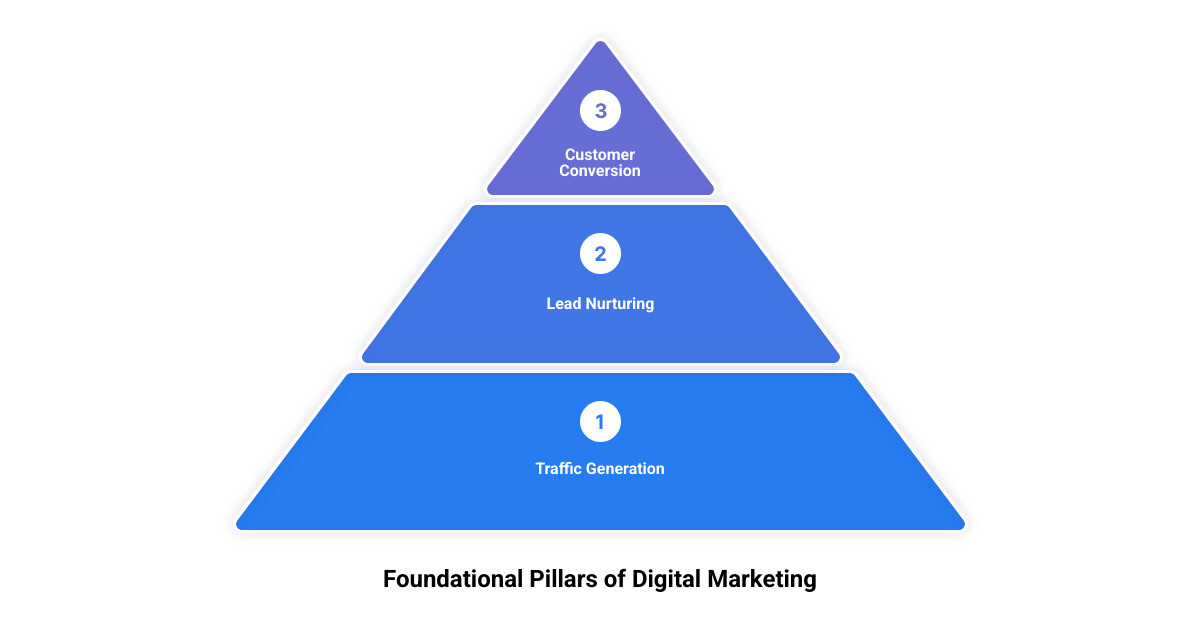
The Foundational Pillars of Digital Marketing
At the heart of every thriving online business lies a robust digital marketing strategy built upon several foundational pillars. These aren’t isolated components but rather interconnected elements that, when harmonized, create a powerful engine for growth.
First, traffic generation is about attracting potential customers to your digital doorstep. This involves various tactics, from organic search to paid advertising, all aimed at increasing visibility. However, traffic alone isn’t enough; it’s the right kind of traffic that truly matters.
Next, lead nurturing takes those interested visitors and guides them further down the sales funnel. Through valuable content, personalized communication, and strategic touchpoints, we build relationships and trust, moving prospects closer to a purchasing decision.
Customer conversion is the ultimate goal, changing leads into paying customers. This pillar focuses on optimizing every interaction point to make the buying process as seamless and compelling as possible. It’s where the rubber meets the road, turning interest into tangible revenue.
Beyond the initial sale, brand loyalty ensures customers return and become advocates for your business. Exceptional customer experience, ongoing engagement, and consistent value delivery foster long-term relationships, contributing to sustainable growth.
Finally, underpinning all these pillars are data-driven decisions. Every strategy, every campaign, and every optimization should be informed by analytics and insights. This continuous feedback loop allows us to refine our approaches, maximize efficiency, and adapt to the changing digital landscape. Without these foundational pillars, even the most innovative products or services can struggle to establish a foothold online.
Agency Secret #1: Building a Powerful Foundation with Search and Local Presence
Building a strong online presence begins with ensuring your target audience can find you when they’re actively searching for solutions. This is where search engine optimization (SEO) and local search strategies become indispensable. Think of it as laying the groundwork for all future digital marketing efforts.
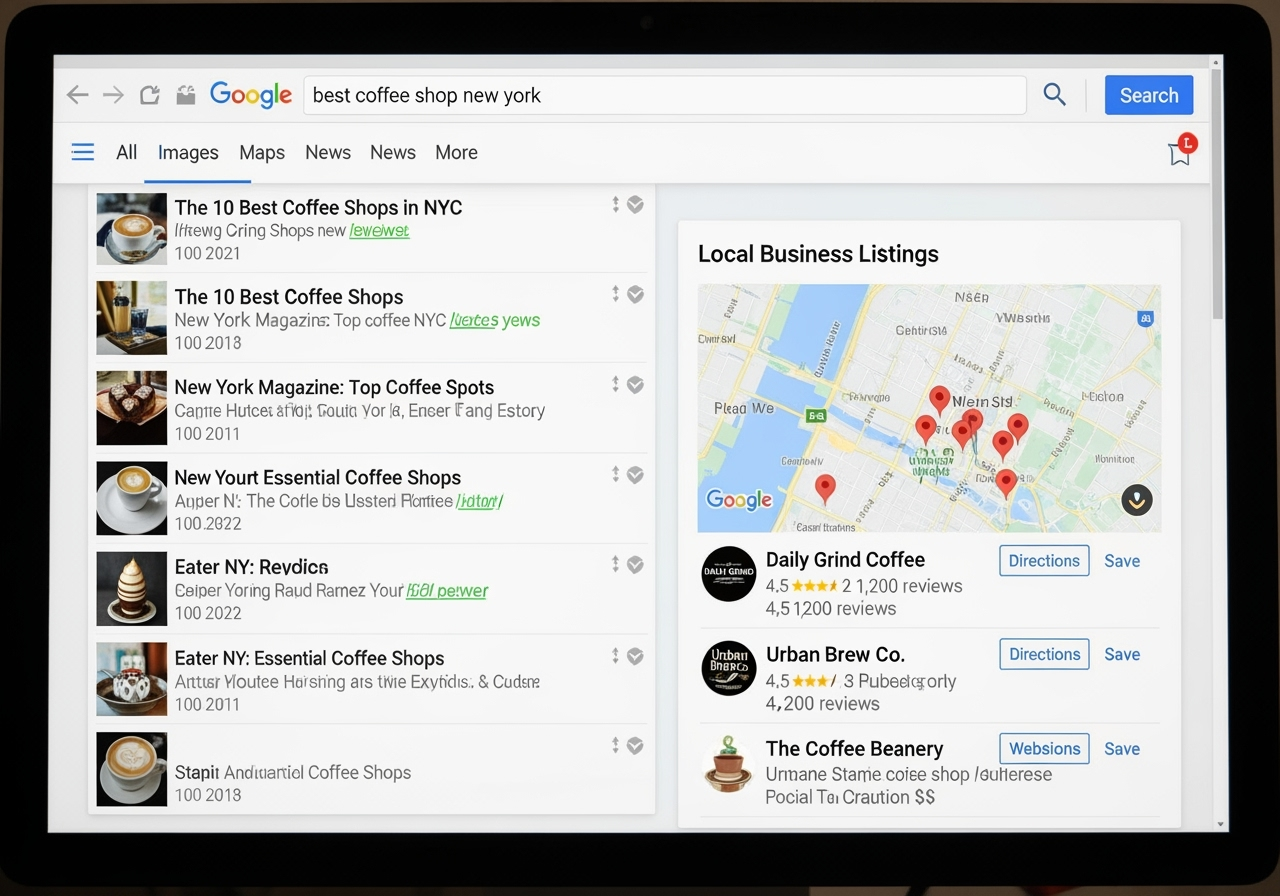
SEO is about optimizing your website and content to rank higher in search engine results pages (SERPs) for relevant keywords. It’s a long-term game focused on capturing organic, unpaid traffic. Understanding search intent—what users are truly looking for when they type a query—is paramount. This informs your keyword research, helping you identify the terms and phrases your potential customers use.
Once you have your keywords, on-page optimization ensures your content and website structure are appealing to both users and search engines. This includes optimizing titles, headings, meta descriptions, and image alt text. Technical SEO addresses the backend elements of your site, such as site speed, mobile-friendliness, and crawlability, which are critical for search engine indexing. Link building, which involves acquiring high-quality backlinks from reputable websites, signals authority and trustworthiness to search engines.
For businesses with a physical location, Local SEO is equally vital. It ensures you appear in local search results and on platforms like Google Maps. Optimizing your Google Business Profile (GBP) is a cornerstone of local SEO, as it provides essential information about your business, including hours, address, and customer reviews. For a comprehensive guide on leveraging your local presence, particularly for auto shops, a valuable resource on digital marketing and GBP can be found at autoshopdigital.com. This foundational work ensures that when customers in your area are looking for what you offer, you’re not only visible but also prominent.
Mastering Search Engine Optimization (SEO)
Mastering SEO goes beyond simply stuffing keywords into content; it’s about delivering exceptional value and an optimal user experience, which search engines like Google increasingly prioritize. At its core, content quality is king. High-quality content is informative, engaging, and directly addresses the user’s search intent, establishing your authority and expertise in your niche.
Crucially, user experience (UX) plays a significant role. A website that is easy to navigate, visually appealing, and provides a seamless user experience will naturally perform better in search rankings. Google’s algorithms are sophisticated enough to detect positive user signals, such as longer dwell times and lower bounce rates, which are indicators of good UX.
The concept of E-E-A-T (Experience, Expertise, Authoritativeness, and Trustworthiness) has become a guiding principle for content creators. Demonstrating genuine experience, deep expertise, established authority, and unwavering trustworthiness in your content and across your site is essential for building credibility with both users and search engines.
Furthermore, with the majority of internet traffic now coming from mobile devices, mobile-first indexing means that Google primarily uses the mobile version of your content for indexing and ranking purposes. This necessitates a responsive design that functions flawlessly on all screen sizes. Finally, page speed is a critical ranking factor; slow-loading pages frustrate users and lead to higher abandonment rates, negatively impacting both UX and SEO. Optimizing images, leveraging browser caching, and minimizing code are just a few ways to ensure your site loads quickly and efficiently.
Dominating Local Search
For businesses serving a specific geographic area, dominating local search is not just an advantage—it’s a necessity. Local search optimization ensures that when potential customers in your vicinity are looking for products or services you offer, your business appears at the top of their results.
The local pack, often displayed prominently at the top of local search results, is a prime piece of real estate. Appearing here can significantly boost visibility and drive foot traffic or local inquiries. To secure a spot, optimizing your Google Business Profile is crucial, but so is accumulating positive customer reviews. Reviews act as social proof, building trust and influencing both search engine rankings and customer decisions. Encourage satisfied customers to leave feedback on Google and other relevant platforms.
NAP consistency (Name, Address, Phone number) across all online directories and your website is non-negotiable. Discrepancies can confuse search engines and deter potential customers. Ensure your business information is identical everywhere it appears online. Incorporating geotargeted keywords into your website content and local listings helps search engines understand your service area. This means using city names, neighborhoods, and regional terms naturally within your content.
Ultimately, a robust local content strategy entails producing content that is specifically tailored to your local community. This could include blog posts about local events, partnerships with other local businesses, or community-focused initiatives. By demonstrating your connection to the local area, you improve your relevance for local searchers and build stronger community ties.
Agency Secret #2: Accelerating Growth with Strategic Paid Media and Content
While SEO builds a sustainable, long-term foundation, strategic paid media and content marketing provide the necessary acceleration to fuel growth, generate immediate leads, and test new markets or offerings. This dual approach ensures both rapid impact and nurturing of your audience.

PPC (Pay-Per-Click) advertising, primarily through platforms like Google Ads and social media advertising (e.g., Facebook, Instagram, LinkedIn), enables businesses to present their offerings to highly targeted audiences immediately. Unlike SEO, where results can take months, PPC campaigns can deliver traffic and conversions almost instantly. This makes it an excellent tool for testing new messaging, products, or landing pages quickly and efficiently.
However, paid media isn’t just about driving traffic; it’s about driving qualified traffic that moves through your sales funnel. This requires expertly crafted ad copy that resonates with your target audience and compelling landing page optimization to convert clicks into leads or sales. The goal is to maximize your Return on Ad Spend (ROAS) and minimize your Cost Per Acquisition (CPA).
Complementing paid media, content marketing plays a vital role in engaging and educating your audience throughout their journey. From initial awareness to post-purchase support, content builds trust and demonstrates value. This integrated approach is a hallmark of successful firms, from a boutique Gold Coast digital marketing agency to a multinational corporation. By strategically combining paid reach with valuable content, businesses can accelerate their growth while simultaneously nurturing long-term customer relationships.
The Art of Paid Advertising
The art of paid advertising lies in its precision and measurable impact. It’s not just about throwing money at ads; it’s about strategic deployment to achieve specific business objectives. A well-structured campaign structure is fundamental, as it organizes your ads into logical groups based on products, services, or audience segments. This allows for more granular control and optimization.
Bidding strategies are critical for managing ad spend and achieving desired outcomes. Whether you’re optimizing for clicks, conversions, or impressions, choosing the right bidding strategy—manual, automated, or smart bidding—can significantly impact performance. Understanding your target CPA and ROAS is essential for setting realistic bids.
Effective audience targeting is what makes paid ads so powerful. Platforms offer sophisticated options to reach specific demographics, interests, behaviors, and even custom audiences based on your existing customer data. This ensures your message is seen by those most likely to convert.
However, even with perfect targeting, continuous improvement is necessary. A/B testing ads involves running multiple versions of ad copy, images, or landing pages to determine which performs best. This iterative process of testing and refining is key to maximizing your Return on Ad Spend (ROAS) and minimizing your Cost Per Acquisition (CPA). By continually analyzing performance data and making informed adjustments, we ensure that every dollar spent on advertising works as effectively as possible to accelerate your business growth.
Fueling the Funnel with Content Marketing
Content marketing is the engine that fuels your sales funnel, attracting and retaining an audience by consistently creating and distributing valuable, relevant, and consistent content. It’s about building relationships and trust, positioning your brand as a helpful resource rather than just a seller.
At the top of the funnel, blog posts and video content are excellent for raising awareness and attracting new visitors by addressing their questions and pain points. These formats are easily shareable and can significantly boost your organic reach. As prospects move further down the funnel, more in-depth resources, such as whitepapers and case studies, become invaluable. These demonstrate your expertise and provide detailed solutions, helping to educate and persuade potential customers.
Email marketing is a powerful tool for nurturing leads through various nurture sequences. Once you’ve captured an email address, you can deliver personalized content directly to their inbox, guiding them through the buyer’s journey. This might include a series of educational emails, product demonstrations, or special offers, all designed to build rapport and move them towards conversion.
The ultimate goal is not just to attract but to retain an audience. By consistently providing high-quality content, you keep your brand top of mind, fostering loyalty and encouraging repeat business. This continuous cycle of creating, distributing, and analyzing content ensures your brand remains relevant and valuable to your audience at every stage.
The Multiplier: Advanced Digital Marketing and Conversion Optimization
Once you’ve mastered attracting traffic and engaging your audience, the next frontier is to optimize every interaction to maximize your return. This is where Conversion Rate Optimization (CRO) comes into play, acting as a powerful multiplier for all your digital marketing efforts. CRO isn’t about getting more traffic; it’s about making the most of the traffic you already have.

CRO involves a systematic process of understanding user behavior, analyzing data, and implementing changes to encourage a higher percentage of visitors to complete a desired action. This means looking beyond surface-level metrics and diving deep into how users interact with your website. Tools such as heatmaps, session recordings, and A/B testing platforms are essential for gathering these insights.
The process typically begins with data analysis to identify bottlenecks and areas of friction in the customer journey. Qualitative insights from user surveys and feedback often complement this quantitative data. From there, hypotheses are formed about what changes might improve conversion rates, leading to A/B testing where different versions of a page element are shown to segments of your audience to determine which performs better.
Customer journey mapping is essential to visualize the entire path a user takes, from initial awareness to conversion and beyond. By understanding each touchpoint, we can identify opportunities for optimization and ensure a seamless, intuitive experience. This level of analysis is why many businesses turn to specialized Digital marketing conversion consultants to open up hidden revenue. These experts bring a scientific approach to identifying and fixing conversion roadblocks, turning existing traffic into significantly more valuable customers.
Understanding Conversion Rate Optimization (CRO)
Conversion Rate Optimization (CRO) is the systematic process of increasing the percentage of website visitors who take a desired action. But what exactly constitutes “a conversion“? It’s any action a user takes that aligns with your business goals. These can be categorized into two main types:
Micro-conversions are small steps a user takes that indicate progress towards a larger goal. Examples include signing up for a newsletter, downloading an ebook, adding an item to a cart, viewing a product video, or clicking on a specific internal link. While they don’t directly generate revenue, they signify engagement and intent.
Macro-conversions are the primary goals that directly contribute to your business’s bottom line. For an e-commerce site, this is typically a purchase. For a service business, it might be a completed contact form submission, a booked demo, or a phone call.
The CRO process is iterative and data-driven. It typically involves:
- Research: Gathering data through analytics, heatmaps, user surveys, and competitor analysis to identify problems and opportunities.
- Hypothesis Generation: Forming educated guesses about what changes might improve conversion rates, based on the research.
- Prioritization: Ranking hypotheses based on potential impact, confidence in the idea, and effort required (e.g., using the ICE framework).
- Experimentation: Running A/B tests or multivariate tests to validate hypotheses.
- Analysis: Evaluating test results, paying close attention to statistical significance to ensure changes are truly impactful and not due to chance.
- Implementation/Iteration: Rolling out winning variations or using learnings to inform the next round of testing.
This continuous cycle ensures that every change made to your website is backed by data, leading to incremental improvements that compound over time.
The Indispensable Role of User Experience (UX) in Conversions
User Experience (UX) is not merely a buzzword; it is the bedrock of successful Conversion Rate Optimization. A seamless, intuitive, and enjoyable UX directly correlates with higher conversion rates because it removes friction and builds trust. When a user lands on your site, their experience from that moment onward dictates whether they stay, engage, and ultimately convert.
Consider website navigation: if users can’t easily find what they’re looking for, they’ll leave. Clear, logical menus, search functionality, and internal linking are crucial. Similarly, the design of your Call-to-Action (CTA) buttons is paramount. Are they visible? Do they use compelling language? Are they clickable and placed strategically? A well-designed CTA can significantly increase click-through rates.
Form optimization is another critical area. Long, confusing forms are notorious conversion killers. Streamlining fields, providing clear instructions, offering progress indicators, and ensuring mobile-friendliness can dramatically improve completion rates. The goal is always to reduce friction—eliminating any element that causes hesitation, confusion, or frustration for the user. This includes technical issues such as slow loading times, broken links, or a non-responsive design, as well as psychological barriers like unclear value propositions or a lack of social proof.
A superior UX is about building trust and credibility. A professional, easy-to-use website signals reliability and competence. When users feel confident and comfortable interacting with your site, they are far more likely to complete the desired action, making UX an indispensable partner in achieving your conversion goals.
Measuring Success: Tying It All to Business Outcomes
In digital marketing, generating activity is one thing; proving its value to the business is another. This is why measuring success is not just important, but absolutely critical. We rely on clearly defined Key Performance Indicators (KPIs), robust analytics, and a deep understanding of ROI (Return on Investment) to tie every digital effort back to tangible business outcomes.
Understanding what drives Customer Lifetime Value (LTV) helps us make more informed decisions about acquisition costs and retention strategies. For instance, a customer acquired through a PPC campaign might have a higher initial CPA. Still, if their LTV is significantly greater due to repeat purchases, that initial investment is justified. Attribution modeling helps us understand which touchpoints in the customer journey contribute to a conversion, allowing us to allocate resources more effectively across different channels.
Tools like Google Analytics (especially the latest GA4) are indispensable for tracking user behavior, conversion paths, and overall website performance. They provide the raw data we need to analyze, interpret, and report on. Without accurate measurement, digital marketing becomes a guessing game, and resources can be misallocated. By carefully tracking and analyzing our efforts, we can demonstrate the direct impact of our strategies on revenue, profitability, and long-term business growth.
Here’s a comparison of key metrics across different channels:
Metric Channel: What it Measures
Organic Traffic SEO: Number of visitors from unpaid search results.
Keyword Rankings: SEO Position of your website for specific search terms.
Bounce Rate SEO / CRO Percentage of visitors who leave after viewing only one page.
Click-Through Rate (CTR) PPC / Email Percentage of users who click on an ad or email.
Cost Per Click (CPC) PPC: Average cost paid for each click on your ad.
Conversion Rate PPC / CRO / Email Percentage of visitors who complete a desired action.
Return on Ad Spend (ROAS): PPC Revenue generated for every dollar spent on advertising.
Open Rate Email Marketing Percentage of recipients who open an email.
List Growth Rate: Email Marketing Rate at which your email subscriber list is growing.
Customer Lifetime Value (LTV): All Channels: Total revenue a business can expect from a single customer relationship.
Cost Per Lead (CPL) All Channels Average cost to acquire one lead.
Revenue All Channels Total income generated from sales. Measuring the ROI of Your Digital Marketing Efforts
Measuring the ROI of your digital marketing efforts is crucial for justifying investments and optimizing future strategies. It moves beyond vanity metrics to focus on how your campaigns directly contribute to your business’s financial health.
The first step is robust tracking of conversions. This means setting up your analytics platforms (like Google Analytics) to accurately record every desired action, from a purchase to a lead form submission. Without precise tracking, it is impossible to attribute success to specific campaigns.
Next, we examine the Cost per Lead (CPL), which indicates the cost incurred to acquire a single lead. By comparing CPL across different channels and campaigns, we can identify the most efficient lead generation sources. This metric is particularly vital for businesses with longer sales cycles.
The Lead-to-customer rate then measures how effectively those leads are converted into paying customers. This provides insight into the quality of your leads and the efficiency of your sales process. A high CPL might be acceptable if the lead-to-customer rate is also high, indicating a valuable lead.
Finally, all this data needs to be presented clearly. Data visualization through reporting dashboards brings your KPIs to life. Dashboards provide a quick, at-a-glance understanding of performance, highlighting trends, successes, and areas that need improvement. By regularly reviewing these dashboards, we can make agile, data-backed decisions that continually improve the ROI of your digital marketing spend.
Frequently Asked Questions about Driving Digital Growth
Navigating the complexities of digital marketing can raise many questions, especially for businesses new to the online space or looking to scale their existing efforts. Here, we address some of the most frequently asked questions we encounter.
What is the first step for a small business starting with digital marketing?
For a small business starting on its digital marketing journey, the first step is to establish a solid website foundation. This means having a professional, mobile-responsive website that clearly communicates your value proposition and offers a good user experience.
Simultaneously, you need to define your target audience. Who are you trying to reach? What are their demographics, interests, and pain points? Understanding your audience will inform all subsequent marketing decisions.
Next, set clear goals. Do you want more leads, online sales, or brand awareness? Specific, measurable, achievable, relevant, and time-bound (SMART) goals will guide your strategy.
Initially, it’s often best to start with one or two channels rather than trying to do everything at once. For many small businesses, focusing on local SEO and a strong Google Business Profile is a highly effective starting point, as it captures demand from customers actively searching for local services. Once these foundational elements are in place and performing well, you can gradually expand to other channels.
How long does it take to see results from digital marketing?
The timeline for seeing results from digital marketing varies significantly depending on the strategies employed and the specific goals being pursued.
For SEO, results typically take longer, often months rather than weeks. Building authority, improving rankings, and generating organic traffic is a gradual process. You may start seeing initial improvements within 3-6 months, with a significant impact often taking 6-12 months or even longer, depending on the competitiveness of your industry and the quality of your ongoing efforts. SEO is an investment in long-term, sustainable growth.
In contrast, PPC campaigns can deliver results much faster, often within days or weeks. Once a campaign is launched, you can immediately start generating traffic and conversions, making it ideal for immediate lead generation or launching a new product. However, PPC requires continuous monitoring and optimization to remain effective.
It’s important to understand the compounding effects of digital marketing. Early efforts, even if small, build upon each other. For example, improved SEO can enhance the effectiveness of your PPC campaigns by providing more effective landing pages. The exact timeline varies by industry and competition, but a realistic expectation involves patience for organic growth and agile management for paid strategies.
Should I focus on SEO or PPC first?
The decision to prioritize SEO or PPC often comes down to budget considerations and your long-term vs. short-term goals.
SEO is generally seen as an investment for sustainable growth. It builds organic authority and traffic over time, which can be highly cost-effective in the long run. If your budget is limited and you’re looking for a durable, compounding asset, SEO is a good choice. It’s excellent for building a brand and establishing credibility.
PPC, on the other hand, is ideal for immediate traffic and testing. If you need leads or sales quickly, want to validate a new product, or have a larger budget, PPC can deliver instant visibility. It also provides valuable data rapidly, which can inform your SEO strategy.
Often, the most effective approach is a combined strategy. You might start with PPC to generate immediate leads and gather data, while simultaneously laying the groundwork for SEO. The data from your PPC campaigns (e.g., high-converting keywords, effective ad copy) can then be used to refine your SEO strategy. Conversely, a strong organic presence can lower your overall advertising costs by reducing your reliance on paid traffic. The best choice depends on your unique business context, resources, and strategic objectives.
Conclusion: Integrating the Secrets for Sustainable Growth
The journey to sustained online growth is multifaceted, requiring a strategic blend of foundational strength, accelerated efforts, and meticulous optimization. The “secrets” shared by agencies aren’t really secrets at all, but rather a commitment to an integrated strategy.
We’ve seen how establishing foundational strength through robust SEO and local presence ensures your business is findable and credible in the long term. This organic visibility is the bedrock upon which all other efforts stand.
Then, accelerated growth is achieved through strategic paid media campaigns and compelling content marketing. These channels offer immediate impact, enabling rapid testing, market penetration, and consistent engagement with your audience.
Finally, the true multiplier effect comes from Conversion Rate Optimization (CRO). By continuously analyzing user behavior and refining every touchpoint, we transform existing traffic into more valuable customers, significantly boosting profitability without necessarily increasing marketing spend. This continuous optimization is what sets leading businesses apart.
The future of marketing belongs to those who accept this holistic approach. It’s about creating a cohesive, evolving ecosystem where SEO, PPC, content, and CRO work in harmony. By fostering a data-driven mindset and committing to ongoing improvement, businesses can not only steer the digital frontier but truly thrive, securing sustainable growth for years to come.



More Stories
Trading the Restaurant for the Waves: Why You Should Host Your Next Birthday on the Water
How Do I Get United Airlines Vacation Packages?
How Do I Change My Name on Breeze Airways?