

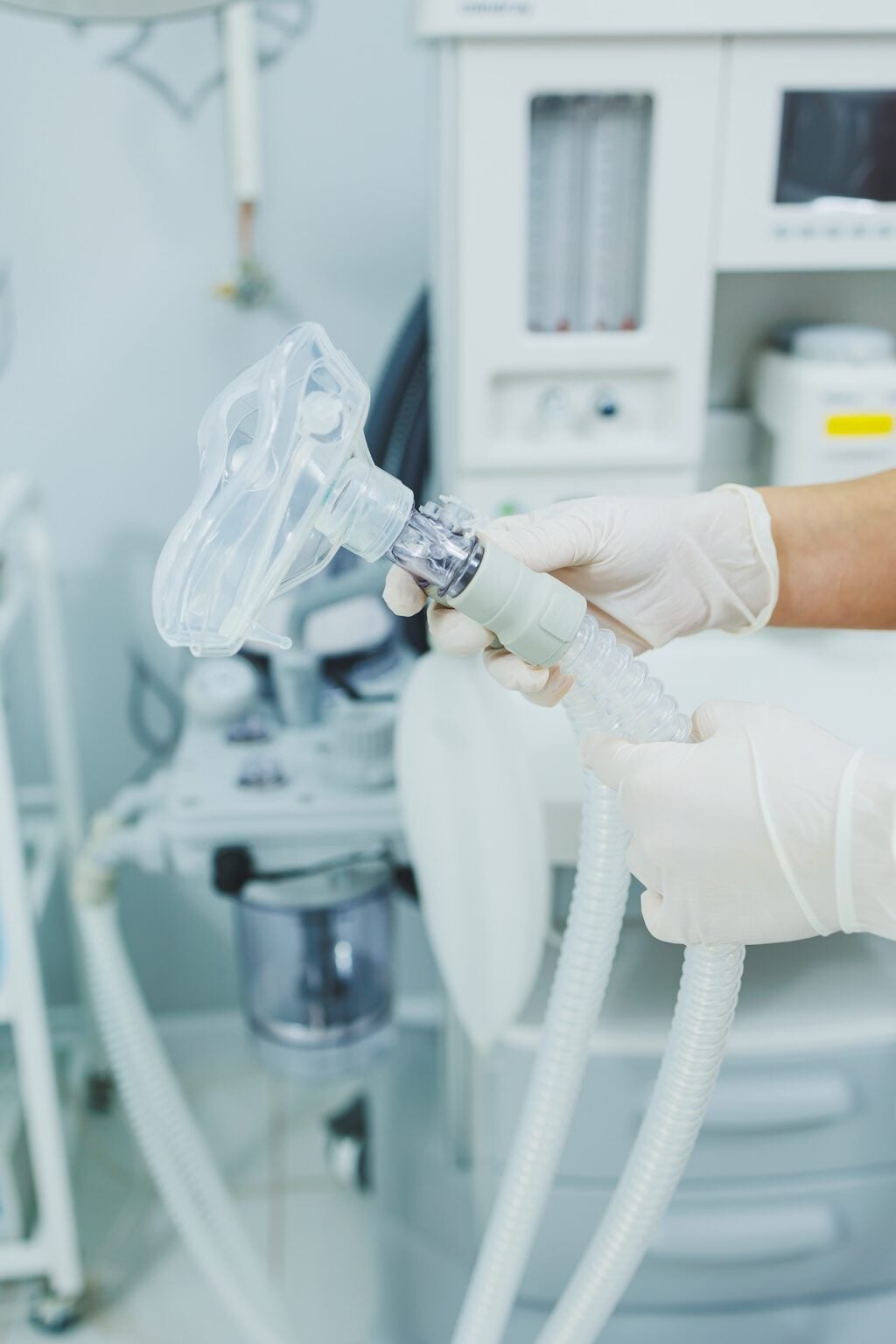
When it comes to undergoing dental procedures, especially complex ones like wisdom teeth surgery, many patients have questions about dental anesthesia. What is it? How does it work? Most importantly, how safe is it? In this blog post, we’ll take an in-depth look at dental anesthesia to help dispel any concerns and provide clarity on this commonly used practice in dentistry.
What Is Dental Anesthesia?
Dental anesthesia refers to the use of medication to prevent pain during dental procedures. It temporarily numbs a specific area of your mouth or, in some cases, induces sleep to ensure your experience is comfortable. The type of anesthesia a dentist chooses depends on the complexity of the procedure and your individual needs.
The main types of dental anesthesia include:
- Local Anesthesia: A localized numbing agent typically injected directly into the treatment area. Commonly used for procedures like fillings, root canals, and simple extractions.
- Sedation (or Conscious Sedation): Administered orally, intravenously (IV), or through inhalation (like nitrous oxide), this form can relax you without rendering you completely unconscious.
- General Anesthesia: Reserved for more invasive dental surgeries, such as removing impacted wisdom teeth, this kind of anesthesia puts you in a deep sleep, ensuring you feel no discomfort or awareness during the procedure.
How Safe Is Dental Anesthesia?
When administered by a trained professional, dental anesthesia is remarkably safe. Dentists and oral surgeons undergo specialized training to determine the right dosage for each patient, making adjustments for factors like age, weight, medical history, and type of procedure. Here’s a closer look at its safety:
1. Stringent Training and Protocols
Providers of dental anesthesia are well-trained to monitor vital signs and manage potential complications. A combination of pre-procedure screening and modern technology ensures enhanced safety, even for complex treatments like wisdom teeth surgery.
2. Thorough Patient Assessments
Before administering any form of anesthesia, dental professionals conduct a detailed health assessment. They’ll ask about allergies, existing medical conditions, medications, and previous experiences with anesthesia to minimize risks.
3. Advances in Technology and Medications
The use of state-of-the-art monitoring devices to track oxygen levels, heart rate, and blood pressure has significantly reduced risks. Additionally, newer anesthetic agents are safer, taking effect quickly and wearing off predictably.
While rare, side effects such as mild swelling, grogginess, or nausea may occur after anesthesia. Severe complications are exceptionally uncommon and nearly always associated with undiagnosed health conditions or improper administration—factors minimized when professionals follow best practices.
Tips to Enhance Anesthesia Safety as a Patient
Although dental professionals take every precaution, you can play an important role in ensuring a smooth experience. Follow these tips to enhance your safety during treatment:
- Be Transparent About Your Medical History: Share all relevant information with your dentist, including chronic conditions, allergies, and medications.
- Follow Pre-Procedure and Post-Procedure Instructions: Your dentist may advise fasting before certain types of anesthesia or provide specific care instructions afterward. Adhering to these guidelines can lower risks and expedite recovery.
- Discuss Anesthetic Options in Advance: Ask about the type of anesthesia recommended for your procedure, and voice any concerns about its effects.
- Bring a Support Person: For procedures involving sedation or general anesthesia, arrange for a trusted companion to escort you to and from the appointment.
Key Takeaway: Peace of Mind with Dental Anesthesia
Dental anesthesia plays a crucial role in modern dentistry, making procedures—ranging from minor fillings to complex wisdom teeth surgery—virtually pain-free. Thanks to advances in medication and training, it is safer now than ever before. With open communication between you and your dental team, you can rest assured knowing that your comfort and safety are their top priorities.
If you’re apprehensive about an upcoming dental procedure, talk to your dentist about the anesthesia options available and how they align with your individual needs. Empower yourself with information—because an informed patient is a confident patient.




More Stories
5 Signs Your Business Needs Managed IT Support
Trading the Restaurant for the Waves: Why You Should Host Your Next Birthday on the Water
How Do I Get United Airlines Vacation Packages?