

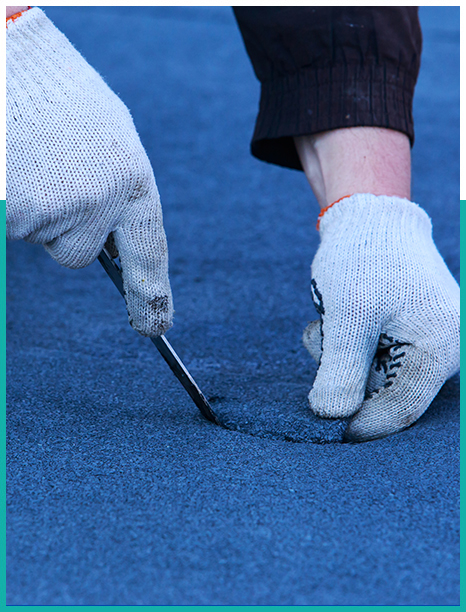
Carpet burn holes are more than just cosmetic blemishes; they compromise both the appearance and longevity of your flooring. Even a small burn can disrupt the texture, alter the color, and leave your carpet looking worn or damaged. While the damage may seem minor, improper repair attempts can lead to uneven surfaces, noticeable patches, or even further tearing, which may require costly replacement. Many homeowners make the mistake of rushing into DIY fixes without fully understanding the type of carpet fiber, the depth of the burn, or the proper repair materials needed. Learning how to fix carpet burn holes effectively involves careful assessment, precise technique, and attention to detail. By taking a structured, informed approach, you can restore your carpet seamlessly, maintain the aesthetic integrity of your home, and extend the life of your flooring investment.
This blog explores five key areas where mistakes commonly occur and provide professional guidance to avoid them, ensuring repairs are seamless and long-lasting.
1. Misjudging the Severity of the Damage
Before attempting any repair, understanding the depth and scope of a carpet burn is essential. Surface scorch marks may seem minor, but deeper burns can compromise surrounding fibers and require more advanced techniques. Accurately assessing damage ensures that your repair approach is both effective and long-lasting, preventing small issues from becoming larger problems.
- Superficial vs. Deep Burns: Many homeowners fail to recognize the difference between a minor surface scorch and a deep burn that destroys carpet fibers. Superficial burns can often be addressed with trimming or light touch-ups, maintaining the carpet’s appearance. Deep burns, however, usually require fiber replacement or patching to ensure the repair is durable and seamless.
- Overlooking Hidden Weaknesses: Burn damage can compromise not only the visible hole but also surrounding fibers, creating hidden vulnerabilities. Neglecting these weak areas may cause the damage to spread over time. Careful inspection of the affected zone ensures that both the visible burn and nearby stressed fibers are properly treated.
- Ignoring Fiber Type: Carpets made from synthetic, wool, or blended fibers react differently to heat exposure. Applying the wrong repair method can further damage the fibers or alter the texture. Understanding your carpet’s material is essential to selecting a repair technique that preserves its original integrity and appearance.
2. Choosing Incorrect Repair Techniques
Even when the damage is identified correctly, using the wrong repair method can make the problem worse. Overusing adhesives, misaligning patches, or skipping color matching can leave repairs visible and affect carpet texture. Selecting appropriate, precise techniques ensures that the repaired area blends seamlessly with the rest of the flooring.
- Overusing Adhesives: Applying excessive glue to secure trimmed fibers can result in clumps, stiffness, or a shiny patch that is noticeable. This not only affects the appearance but can make the repair feel unnatural underfoot. Using controlled, minimal amounts of adhesive ensures the fibers blend smoothly with the surrounding carpet for a seamless finish.
- Improper Patch Placement: Placing a replacement patch incorrectly can make the repair highly visible and disrupt the carpet’s overall pattern. It’s essential to cut patches from less noticeable areas and align the pile direction with the existing carpet. Proper placement preserves uniformity and helps the repair blend flawlessly into the surrounding area.
- Skipping Color Matching: Even minor burns may leave discoloration or darkened fibers around the affected area. Failing to match colors using carpet markers or fabric dyes can make the repair stand out immediately. Proper color blending ensures that the repaired section integrates naturally with the original carpet, maintaining visual consistency.
3. Ignoring Safety and Preparation
Proper preparation is a critical yet often overlooked step in carpet repair. Removing burnt fibers, using protective tools, and allowing adequate time for each step prevents further damage and ensures a professional-quality finish. Careful preparation reduces errors and lays the foundation for a durable, seamless repair.
- Failing to Remove Residual Burnt Fibers: Leaving singed or charred fragments in the carpet can create lumps and prevent adhesives from properly bonding with the fibers. This compromises the smoothness and durability of the repair. Complete removal of burnt material ensures a clean, stable base for seamless restoration.
- Neglecting Protective Measures: Carpet repairs often require sharp tools, adhesives, and other materials that can accidentally damage surrounding areas. Skipping protective steps increases the risk of unwanted marks or spills. Using gloves and carefully placing protective covers ensures safety for both the carpet and yourself during the repair process.
- Rushing the Process: Hurrying through a repair often results in uneven patches, misaligned fibers, or excess adhesive. Proper preparation: gathering materials, clearing the workspace, and pacing the repair, is essential. Allowing adequate time for each step, including drying, guarantees professional-quality, long-lasting results.
4. Overlooking Preventive Strategies
Preventing future burns is just as important as repairing existing damage. Simple measures such as heat shields, strategic furniture placement, and regular maintenance can significantly reduce the risk of new carpet burn holes. Incorporating preventive strategies safeguards your investment and prolongs the carpet’s appearance and lifespan.
- Not Using Heat Shields: Everyday items such as irons, candles, and appliances can easily cause carpet burns if placed directly on the fibers. Using protective mats or heat-resistant pads under these objects creates a barrier that prevents heat damage. Consistently applying this precaution significantly reduces the risk of future burn holes.
- Ignoring Furniture Placement: Dragging hot objects or placing heat-emitting items near vulnerable areas can lead to accidental burns. Strategically arranging furniture and maintaining awareness of heat sources helps protect your carpet from unnecessary damage. Thoughtful placement ensures both safety and the preservation of your flooring investment.
- Lack of Regular Maintenance: Accumulated dust, debris, and worn fibers make carpets more susceptible to burn damage over time. Routine vacuuming, cleaning, and inspection help maintain the integrity of the fibers. Incorporating occasional professional carpet cleaning ensures the carpet remains resilient, clean, and better prepared to withstand minor accidents.
Conclusion
Fixing carpet burn holes requires more than a quick patch; it demands careful assessment, precise techniques, and preventive foresight. Avoiding common pitfalls such as misjudging damage, using inappropriate repair methods, or neglecting preparation can make the difference between a short-lived fix and a long-term solution. Minor burns can often be addressed with informed DIY techniques, but extensive damage benefits significantly from a professional carpet cleaner, who ensures the repair is seamless, color-matched, and durable.
For homeowners seeking expert guidance and reliable carpet restoration, Moon Light Carpet Washing L.L.C. provides solutions tailored to both immediate repairs and long-term maintenance, ensuring your flooring retains its elegance and resilience.



More Stories
How Do I Get United Airlines Vacation Packages?
How Do I Change My Name on Breeze Airways?
What Is the LATAM Airlines Name Change Policy?