

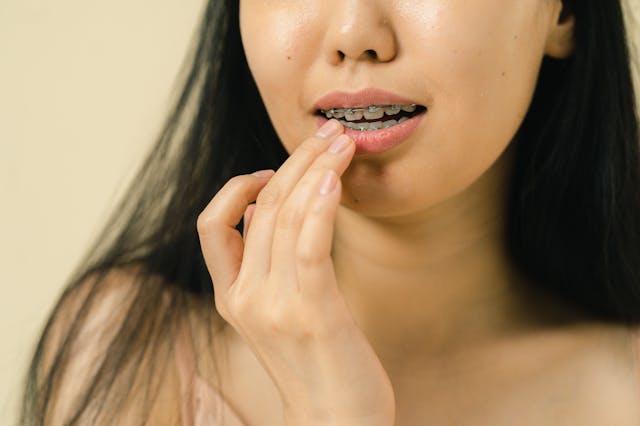
Making the decision to get braces as an adult is a significant step toward improving your smile and overall oral health. It’s an investment in your confidence and well-being. While the end result—a perfectly aligned, healthy smile—is exciting, the initial stages of treatment can feel a bit uncertain. You might wonder what the first few days and weeks will be like. We are here to guide you through the process, ensuring you feel prepared and comfortable as you begin your orthodontic journey. Understanding what to expect can help ease any anxieties and set you up for a smooth and successful experience.
The early stages are a period of adjustment for both your mouth and your daily routines. Your teeth, gums, and cheeks will need time to get used to the new hardware, and you’ll need to adapt your eating and oral hygiene habits. This guide will walk you through the key aspects of this initial phase, from managing discomfort to adjusting your diet and mastering your new cleaning routine. Our goal is to provide you with clear, practical information so you can navigate the beginning of your treatment with confidence.
Managing Initial Discomfort and Sensitivity
After your braces are first applied, and following subsequent adjustment appointments, it’s common to experience some discomfort and sensitivity. This is a normal part of the process and a sign that the braces are working to gently move your teeth into their proper positions. The pressure exerted by the archwires can make your teeth feel tender and sore, particularly when you bite down. You may also notice some irritation on your cheeks, lips, and tongue as they get used to the brackets and wires. This initial sensitivity typically lasts for a few days to a week.
To manage this discomfort, you can use several simple and effective methods. Rinsing your mouth with warm salt water (one teaspoon of salt dissolved in a cup of warm water) can soothe sore spots and reduce inflammation. Over-the-counter pain relievers, such as ibuprofen or acetaminophen, can also be very helpful in alleviating tenderness. We will provide you with orthodontic wax, which you can apply over any brackets or wires that are causing irritation. This creates a smooth barrier between the metal and the soft tissues of your mouth, providing immediate relief and allowing the areas to heal. Rest assured, this sensitivity is temporary, and your mouth will quickly adapt.
Adjusting Your Diet and Eating Habits
One of the most immediate changes you’ll notice with braces is the need to adjust your diet. During the first week, and especially on days when your teeth feel sore, it’s best to stick to soft foods that require minimal chewing. Think smoothies, yogurt, soups, mashed potatoes, and scrambled eggs. These foods will provide the nutrition you need without putting extra pressure on your sensitive teeth. As the initial soreness subsides, you can gradually reintroduce a wider variety of foods into your diet. However, there are certain types of foods you’ll need to avoid for the entire duration of your treatment to prevent damage to your braces.
Hard, crunchy, sticky, and chewy foods pose a risk to your orthodontic appliances. Items like nuts, hard candies, popcorn, and ice can break brackets or bend wires, potentially delaying your treatment progress. Sticky foods such as caramel, gum, and taffy can get caught in your braces and be difficult to clean, increasing your risk for cavities. It’s also a good idea to cut harder foods like apples and raw carrots into small, bite-sized pieces rather than biting directly into them. While it may seem like a long list of restrictions, focusing on what you can eat and adapting your preparation methods will make the transition much easier.
Mastering Your New Oral Hygiene Routine
Maintaining excellent oral hygiene is always important, but it becomes absolutely critical when you have braces. The brackets and wires create many new places where food particles and plaque can accumulate, increasing your risk for cavities, gum inflammation, and discoloration. Your regular brushing and flossing routine will need an upgrade to ensure your teeth and gums stay healthy throughout your treatment. It may take a little more time and effort, but mastering your new cleaning technique is essential for achieving the best possible results.
We will provide you with detailed instructions and special tools to help you keep your braces clean. You’ll need to brush your teeth after every meal to remove any trapped food. An interproximal brush, also known as a proxy brush, is a small tool designed to clean between brackets and under the archwire. Flossing is also crucial, and a floss threader or orthodontic flosser can help you navigate around the wires. In addition to brushing and flossing, using an antiseptic mouthwash can help kill bacteria and keep your gums healthy. Committing to this diligent oral hygiene routine will not only protect your teeth during treatment but also ensure that your smile is bright and beautiful when your braces come off.
Your journey to a healthier, more confident smile is an exciting one, and the initial adjustment period is just the first step. By understanding how to manage discomfort, adapting your diet, and committing to a thorough oral hygiene routine, you can navigate the early stages of treatment successfully. Remember that any initial challenges are temporary and a small price to pay for the lifelong benefits of a beautiful, straight smile. Our team is here to support you every step of the way, answering any questions you may have and ensuring your experience is as comfortable and positive as possible.
Advanced Orthodontics is dedicated to providing exceptional, patient-focused care for families and individuals. We utilize advanced technology to create personalized treatment plans that deliver beautiful, healthy smiles. Visit our website to learn more about our orthodontic services, including traditional metal braces.



More Stories
Trading the Restaurant for the Waves: Why You Should Host Your Next Birthday on the Water
How Do I Get United Airlines Vacation Packages?
How Do I Change My Name on Breeze Airways?