

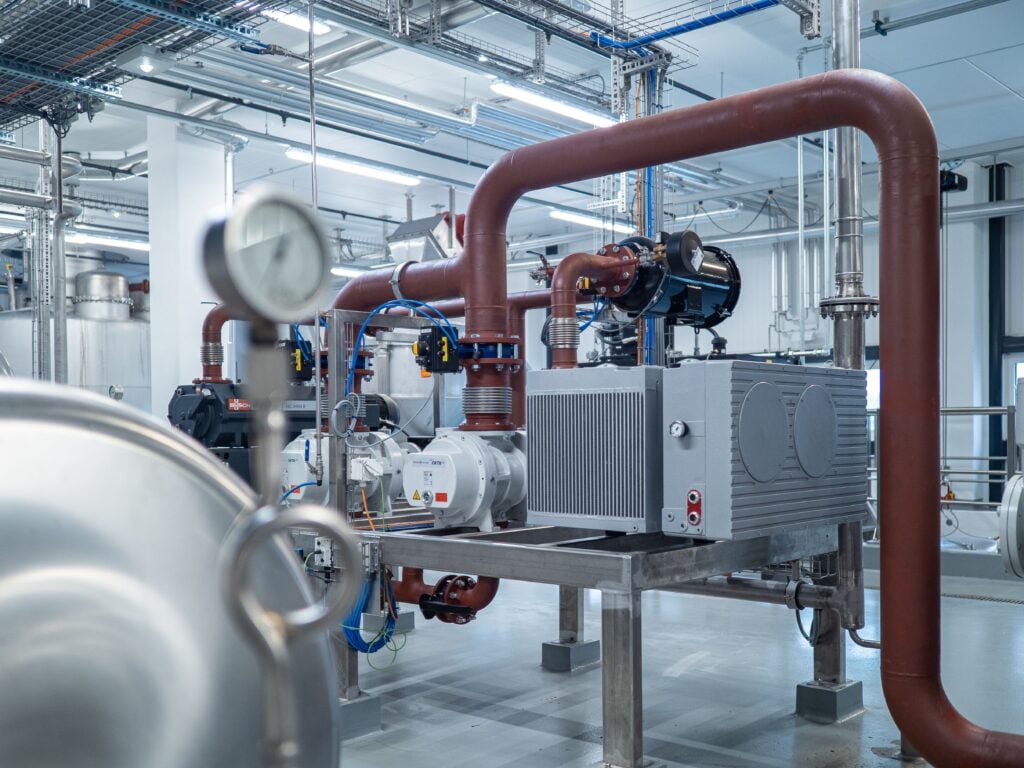
Industrial chillers are vital components in many industries, ensuring proper cooling for processes and machinery. However, their efficiency is often influenced by various factors, which, if not addressed, can lead to higher energy consumption, increased operational costs, and reduced equipment longevity. Optimizing these factors can significantly enhance industrial chiller performance, saving energy, reducing costs, and improving overall system reliability.
In this post, we’ll explore the five key factors that impact industrial chiller efficiency and practical steps you can take to address them.
1. Proper Maintenance Practices
Routine maintenance is a cornerstone of chiller efficiency. Over time, components such as evaporator coils, condenser tubes, and filters can accumulate dirt and debris, causing the system to work harder than necessary. Neglecting maintenance can also lead to issues like leakages, component failures, and compromised performance.
Solutions:
- Clean Regularly: Ensure evaporator and condenser coils are cleaned periodically to maximize heat exchange efficiency.
- Inspect Components: Routinely check for worn-out parts, leaks, and misaligned components.
- Schedule Professional Servicing: Engage qualified technicians to conduct annual or bi-annual inspections and diagnostics.
By maintaining a consistent maintenance routine, you can prevent small issues from escalating into costly repairs or a complete system failure.
2. Cooling Load Fluctuations
The cooling load – the demand placed on the chiller – can vary significantly depending on operational needs, environmental conditions, and heat input. These fluctuations can force the chiller to operate inefficiently if it is not properly calibrated, often cycling on and off unnecessarily, consuming more energy in the process.
Solutions:
- Right-Sized Equipment: Select chillers that are appropriately sized for your operational requirements.
- Load Management: Monitor cooling load demands and adjust system settings to match the actual load.
- Install Variable Speed Drives (VSDs): VSDs allow the chiller to adapt to varying loads effectively, reducing energy consumption during low-load conditions.
Managing load fluctuations can help align the chiller’s performance with operational demands, improving energy efficiency.
3. Water Quality and Flow Rates
For water-cooled chillers in particular, the quality and flow rate of water used in the system play a critical role in performance. Impurities in water can lead to scaling, corrosion, and fouling in condenser tubes, while improper flow rates can reduce heat transfer efficiency.
Solutions:
- Monitor Water Quality: Use water treatment solutions to prevent scaling, corrosion, and biological growth.
- Regular Flushing: Flush water circuits periodically to remove contaminants and improve flow efficiency.
- Optimize Flow Rates: Ensure the flow rate of cooling water aligns with the manufacturer’s specifications to achieve optimal heat transfer.
By addressing water quality issues and maintaining appropriate flow rates, you can ensure that your chiller operates at peak efficiency.
4. Ambient Temperature and Operating Environment
The performance of industrial chillers can be heavily influenced by ambient temperature and environmental conditions. High temperatures, poor ventilation, and exposure to contaminants can exert extra strain on the chiller, reducing its efficiency.
Solutions:
- Improve Ventilation: Ensure that the chiller installation area has adequate airflow and minimal heat buildup.
- Install Sunshades or Enclosures: Protect outdoor chillers from direct sunlight and environmental pollutants.
- Monitor Environmental Conditions: Use sensors to track temperature and humidity levels in the operating area.
A clean, well-ventilated, and controlled environment can significantly enhance the performance of your industrial chiller.
5. Advanced Control Systems
Chillers equipped with outdated control systems often lack the functionality to optimize their performance based on real-time conditions. Modern control systems can greatly enhance efficiency by monitoring and adjusting key parameters such as temperature, pressure, and load.
Solutions:
- Upgrade Controls: Invest in advanced control systems capable of real-time monitoring and adjustments.
- Integrate Automation: Incorporate building management systems that synchronize the chiller’s operation with other facility systems.
- Leverage Data Analytics: Use analytics tools to track performance trends and identify potential inefficiencies.
Advanced control systems improve not only efficiency but also system reliability and longevity.
Final Thoughts
Industrial chiller efficiency is critical to reducing operational costs and ensuring sustainable cooling operations. By focusing on these five factors – proper maintenance, managing cooling load fluctuations, water quality and flow rates, environmental conditions, and advanced control systems – you can optimize your equipment for peak performance.




More Stories
5 Signs Your Business Needs Managed IT Support
Trading the Restaurant for the Waves: Why You Should Host Your Next Birthday on the Water
How Do I Get United Airlines Vacation Packages?