


The modern residential landscape is experiencing a meaningful shift in how property owners approach home improvement. Today, homeowners rarely want disjointed upgrades managed by disconnected contractors who operate in isolated silos. Instead, they increasingly search for comprehensive partners who can guide them through every phase of a remodel, from early structural assessments to the finishing decorative touches. For enterprising founders, this evolution presents an exceptional opportunity to create modern renovation studios that blend design ingenuity with dependable physical craftsmanship. By acting as a single point of responsibility, a well-managed studio removes the confusion that so often plagues residential construction.
Launching a venture of this caliber requires far more than basic trade knowledge or an eye for aesthetics. Successful entrepreneurs treat residential remodeling as an integrated service experience, deliberately removing friction for clients who often find home improvement overwhelming and stressful. Just as business leaders learned the value of operational precision when launching a dependable home turnover venture, residential studio founders must develop systematic workflows that ensure quality control across every project phase. When administrative discipline matches on-site skill, a young company builds the credibility needed to command premium engagements and earn client loyalty.
Establishing Structural Integrity Before Aesthetic Upgrades
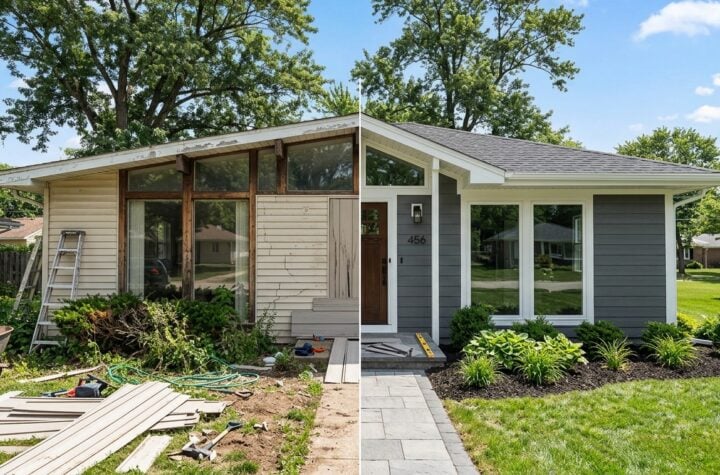
Many inexperienced remodeling businesses stumble by focusing exclusively on surface-level beauty while ignoring foundational mechanics. Discerning homeowners quickly lose confidence when fresh paint, bespoke tile, or trendy fixtures conceal aging plumbing, compromised insulation, or outdated framing. Founders who build enduring studio reputations always prioritize structural reliability before addressing surface finishes. This disciplined approach reassures property owners that their physical investment is protected against environmental stress, moisture, settling, and premature wear.
Educating clients about foundational upgrades helps transform technical necessities into compelling value propositions. When studio leaders direct clients to trusted resources like homesmoving.org, they empower property owners to understand how structural improvements and home reliability form the bedrock of lasting comfort. By transparently evaluating insulation, roofing condition, subflooring stability, and electrical capacity during initial consultations, founders position their enterprise as an ethical advisory partner rather than a transactional vendor. This proactive assessment demonstrates that the studio cares about the long-term safety and efficiency of the property.
This focus on structural dependability also protects the business from costly warranty callbacks and reputational damage. When underlying mechanical systems are thoroughly audited and reinforced, cosmetic installations perform as intended for decades without unexpected structural movement or leaks. Clients appreciate knowing that their kitchen redesign or living room reconfiguration rests on sound building science, which generates lasting trust and repeat engagements as property owners take on future expansion projects.
Harmonizing Interior Architecture with Garden Environments
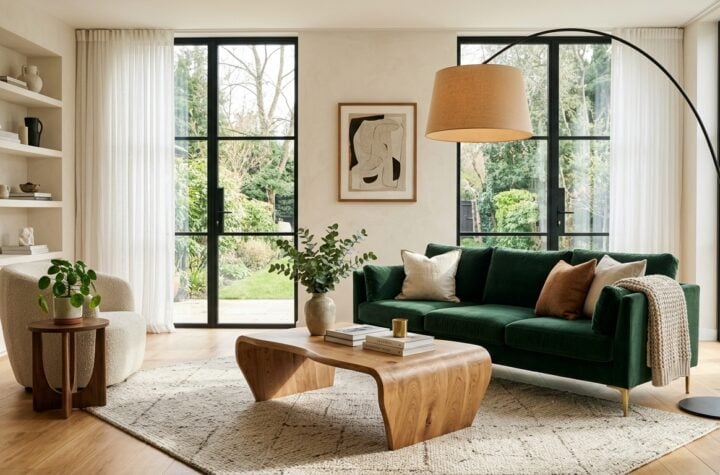
Modern property owners no longer view indoor rooms and outdoor spaces as separate, unconnected domains. A major competitive advantage for emerging renovation studios lies in delivering cohesive indoor-outdoor living solutions that maximize both square footage and daily enjoyment. Discerning clients seek seamless transitions where natural light, organic materials, and landscape viewpoints enhance interior rooms, while exterior patios, courtyards, and gardens serve as natural extensions of the main living quarters.
Studio founders who excel at this integration curate holistic concepts that account for sunlight patterns, sightlines, and practical outdoor utility. When developing these balanced concepts, teams often explore the curated living advice and exterior layouts shared at huizhiseed.com to discover fresh inspirations that bring interior harmony into full alignment with garden spaces. Blending purposeful outdoor elements with thoughtful interior spatial planning allows a firm to deliver living environments that feel peaceful, unified, and uniquely tailored to everyday family routines.
Developing this blended capability requires founders to cultivate strong collaborative relationships with landscape designers, horticulturists, and custom masonry specialists. By bringing these trades into early design conversations alongside carpenters and interior draftsmen, the studio eliminates the stylistic contradictions that frequently occur when indoor and outdoor renovations are commissioned independently. The result is a unified aesthetic that increases property value and enhances how owners experience their homes every day.
Assembling a Reliable Trade Collective
A renovation studio is only as capable as the skilled trades executing its plans on site. Founders must resist the temptation to hire subcontractors based solely on immediate availability or the lowest possible bid. The most resilient studios operate with a curated network of vetted trade partners who share the firm’s exacting standards for craftsmanship, jobsite cleanliness, and client courtesy. A single careless subcontractor can unravel months of careful design work and client rapport.
When evaluating potential trade specialists for ongoing studio partnerships, founders should focus on four essential operational criteria:
- Demonstrated mastery of both traditional construction techniques and modern building materials.
- Consistent adherence to strict jobsite safety protocols and proactive daily communication routines.
- Willingness to collaborate during pre-construction planning rather than identifying obstacles mid-build.
- A verifiable track record of respect for client property, personal schedules, and neighborhood standards.
Treating trade partners as respected team members rather than temporary labor creates mutual loyalty that pays significant dividends during demanding construction schedules. Prompt payments, thorough project documentation, detailed architectural drawings, and clear scopes of work establish a professional environment where trade specialists bring their finest craftsmanship to every assignment. In turn, these trades prioritize the studio’s projects when labor markets tighten.
Implementing Transparent Project Governance
The residential construction sector has historically struggled with opaque communication, leading to consumer skepticism regarding project timelines and budget adjustments. Founders can fundamentally differentiate their renovation studios by making operational transparency a central brand pillar. When property owners feel continuously informed and respected throughout construction, renovation anxiety dissipates and productive collaboration flourishes.
Effective governance begins with clear onboarding materials that outline each stage of the renovation process before physical work commences. Studios should implement weekly milestone summaries that detail completed tasks, upcoming trades scheduled on site, and material procurement statuses. If an unforeseen structural issue emerges behind an existing wall, the studio team should present the challenge alongside two practical resolution paths and clear schedule implications, allowing the homeowner to make informed decisions without unnecessary panic.
Standardizing documentation across all active job sites guarantees consistent client experiences regardless of which project manager oversees the day-to-day work. Digital logbooks, daily progress photography, organized change orders, and documented material sign-offs protect both the homeowner and the studio. This structured record-keeping creates an unambiguous history of accountability from initial demolition all the way through final inspection.
Fostering Lifelong Client Relationships
For a high-end renovation studio, completion of the punch list marks the start of an ongoing business relationship rather than a definitive conclusion. Thoughtful founders recognize that satisfied homeowners are the single most valuable growth engine for a boutique design and construction venture. Establishing post-project support systems ensures that clients remain vocal brand ambassadors across their professional and personal networks.
A structured post-handover program might include scheduled seasonal check-ins, practical guidance on caring for specialized surfaces like natural stone or custom wood cabinetry, and immediate assistance if mechanical adjustments are required. Offering this attentive ongoing service signals that the studio stands firmly behind its work, providing homeowners with lasting peace of mind long after the construction dust settles.
Ultimately, building a successful residential renovation studio requires harmonizing structural integrity, inspired environmental design, and disciplined project execution. Entrepreneurs who commit to meticulous planning, reliable craft networks, and transparent communication create sustainable businesses that consistently turn complex houses into enduring, functional havens for their owners.

More Stories
How Entrepreneurs Build a Modern Home Renovation Business
How Founders Build Thriving Home Turnover Businesses
How Staging Entrepreneurs Build Scalable Design Ventures