

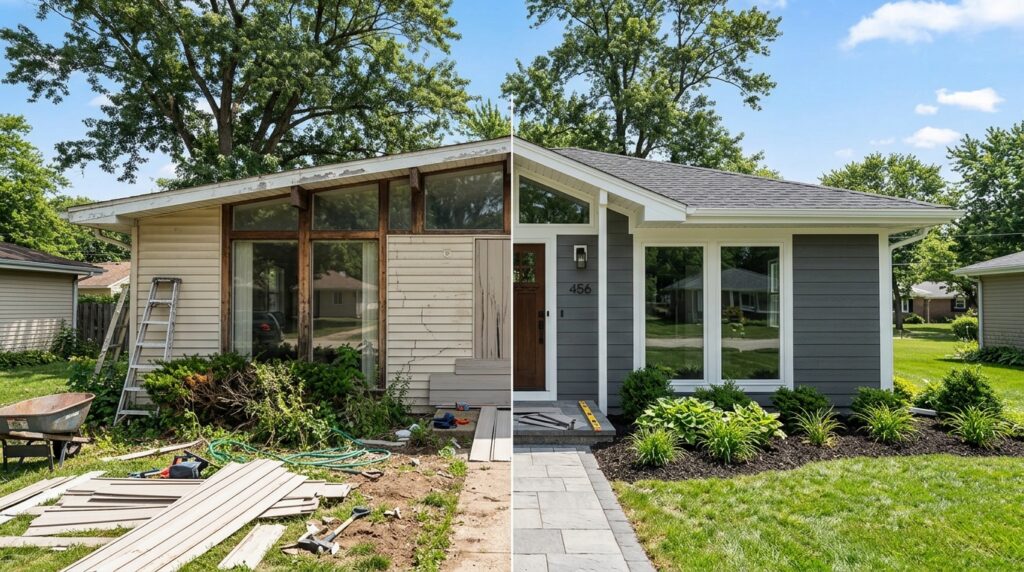
Launching a residential renovation business demands far more than skilled craftsmanship. While technical trade proficiency remains essential, transitioning from a solo contractor into a structured, growing company requires strategic planning, organized operational workflows, and deliberate client relationship management. Successful founders in the remodeling sector recognize that homeowners are not simply buying carpentry or tile work; they are investing in the transformation of their personal living environments.
To establish a lasting enterprise in this competitive market, an entrepreneur must build reliable systems that streamline estimating, organize subcontractors, and ensure consistent project delivery. By setting clear operational standards from the beginning, a renovation venture can cultivate trust with clients and build a sustainable reputation across the communities it serves.
Defining Your Core Renovation Services and Market Focus
Many emerging renovation contractors make the mistake of offering every conceivable home repair service. While this generalist approach may generate immediate work, it frequently stretches resources thin, complicates procurement, and dilutes the company brand. Focusing on specific types of residential upgrades, such as kitchen overhauls, bathroom expansions, or full interior reconfigurations, allows an entrepreneur to develop repeatable processes and build specialized trade networks.
Today, many property owners arrive at initial design meetings with ambitious expectations shaped by popular media and home improvement series. Founders who monitor resources like DIY Television understand the specific remodeling trends and tool capabilities that capture homeowner interest, making it much simpler to translate aspirational concepts into practical, achievable job specifications.
Defining clear service boundaries also establishes a strong foundation for marketing. When an entrepreneur communicates expertise in a focused area, prospective clients feel greater confidence in the company ability to handle complex architectural challenges. This deliberate positioning protects team capacity and ensures that every project aligns with the company core operational strengths.
Assembling Dependable Trade Teams and Vendor Networks
A renovation business is only as dependable as the specialized tradespeople executing the physical work. While general carpentry and project oversight often remain in-house, tasks involving electrical systems, structural framing, plumbing, and specialty finishes require licensed specialists who respect deadlines and maintain high craft standards. Developing long-term relationships with these subcontractors creates consistency across multiple job sites.
A durable renovation firm relies on deep technical coordination across distinct residential disciplines, from internal plumbing repairs to surface finishing. Reviewing trade knowledge hubs such as Build Green Atlantic helps project managers stay informed on modern approaches to interior detailing, plumbing considerations, and reliable post-construction cleaning routines that keep jobsites immaculate.
Beyond trade contractors, securing dependable partnerships with local building supply yards and specialty distributors stabilizes material flow. Established accounts with suppliers often yield dedicated customer support, streamlined delivery scheduling, and early notifications about product availability, allowing managers to anticipate supply disruptions well before crews arrive on site.
Standardizing the Estimation and Scope Documentation Process
Scope ambiguity is one of the most common causes of project friction and financial strain in residential remodeling. When contracts rely on vague language or broad allowances, misunderstandings regarding finishes, structural changes, and labor expectations inevitably arise. Entrepreneurs must establish a standardized bidding methodology that accounts for every physical component of the proposed renovation.
A comprehensive project proposal outlines labor stages, precise material descriptions, demolition parameters, waste management protocols, and clear payment milestones. Introducing a structured change order procedure ensures that whenever a homeowner requests an adjustment or unforeseen site conditions emerge, both parties formally agree on schedule adjustments and budget revisions before new work begins.
Implementing detailed documentation protects client relationships throughout the lifecycle of a renovation. When homeowners see transparent line items and realistic construction milestones, anxiety diminishes and mutual respect grows, creating a stable platform for collaborative problem solving during unforeseen site discoveries.
Developing Strategic Collaborations Across the Housing Sector
Sustainable client acquisition in the remodeling sector rarely relies on cold outreach alone. Forward-thinking founders cultivate referral networks across adjacent residential industries, connecting with architects, real estate agents, landscape designers, and home organizers who routinely advise clients planning major structural or aesthetic updates.
Renovation founders often discover that client collaboration does not stop when the paint dries. Working alongside interior stylists helps present finished work in its best possible light, and studying principles from building scalable design ventures can reveal how staging partnerships create ongoing referral channels among residential buyers and brokers.
To maintain strong community relationships, entrepreneurs can focus on four primary network partnerships:
- Architectural Draftspersons: Collaborating early on plans ensures structural feasibility and accurate job costing.
- Residential Real Estate Brokers: Assisting buyers who evaluate older homes creates immediate renovation opportunities.
- Interior Stylists and Stagers: Aligning finishes with modern presentation techniques produces standout portfolio assets.
- Specialty Material Fabricators: Working directly with local artisans provides exclusive options for custom millwork and stone.
These symbiotic professional relationships create ongoing sources of qualified inquiries, decreasing marketing expenditures while establishing the company as an integrated community resource for home improvement.
Establishing Consistent Jobsite Systems and Client Communication
Exceptional technical execution can be overshadowed by poor customer communication or an unruly jobsite. For most residential clients, a renovation is an invasive experience that disrupts daily routines and introduces noise, dust, and unfamiliar workers into their private living quarters. Establishing strict site hygiene protocols signals professionalism from the first day of demolition.
Implementing daily cleanup routines, protecting adjacent rooms with plastic barriers, and organizing scrap materials methodically shows deep consideration for the homeowner property. In addition, setting dedicated weekly update meetings reassures clients about ongoing progress, addresses questions promptly, and keeps everyone aligned on upcoming milestones.
When project leaders provide written summaries detailing completed tasks and upcoming crew schedules, homeowners feel informed and valued. This consistent communication transforms an inherently stressful process into an organized, positive journey, turning satisfied property owners into enthusiastic advocates who recommend the company to neighbors, colleagues, and family members.
Nurturing Long-Term Value Through Post-Project Engagement
The relationship with a homeowner should never conclude abruptly with the final payment. The completion of a renovation represents the start of a multi-year stewardship cycle. Successful founders implement a structured handover meeting, walking through mechanical updates, demonstrating equipment controls, and providing documentation for warranties and maintenance instructions.
Conducting scheduled check-in inquiries several weeks after project completion allows the contractor to resolve minor punch-list adjustments swiftly, reinforcing the company dedication to quality craftsmanship. This lingering attention to detail distinguishes a premier builder from transactional service providers.
Over time, these satisfied clients return for future renovations, room additions, and seasonal property upkeep. By viewing every completed home renovation as an enduring professional relationship, founders lay the foundation for steady referral growth, resilient operations, and a respected business that stands the test of time.



More Stories
How Founders Build Modern Residential Renovation Studios
How Founders Build Thriving Home Turnover Businesses
How Staging Entrepreneurs Build Scalable Design Ventures