

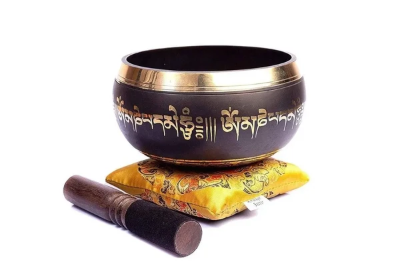
A handmade object can carry more than its visible shape. It can preserve a method, reflect a culture, and offer a practical purpose at the same time. Tibetan and Himalayan sound instruments are a strong example of this connection. Among them, the original tibetan singing bowl has attracted attention for its rich tones, detailed craftsmanship, and place in meditation and traditional spiritual practices. Understanding how these instruments are made, how their sound develops, and what separates a carefully crafted piece from an ordinary decorative item can help buyers make more informed choices. Each bowl can have its own subtle tonal character, influenced by its shape, material, weight, and method of construction. Learning about these details adds greater meaning to the process of selecting and using a traditional sound instrument.
Ancient Craft Roots
Tibetan singing bowls are closely associated with Himalayan cultures and Buddhist traditions, although their exact historical development involves several regions and craft traditions across Asia. Traditionally, metalworkers created bowls by shaping metal through repeated hammering and careful finishing.
The process was not simply about producing a container that could make a sound. The thickness, diameter, weight, surface, and shape of the bowl could all influence its acoustic character. This is one reason handmade bowls often have subtle differences from one another.
Metal Shapes Sound
The material and construction of a bowl play an important role in its tone. Traditional bowls are commonly made from metal alloys, with different compositions and manufacturing methods producing different acoustic qualities. When a mallet moves around the rim, friction causes the bowl to vibrate. Those vibrations travel through the metal and create audible frequencies. A bowl may produce a fundamental tone along with several additional harmonics, giving the sound its layered quality.
Size also matters. Larger bowls generally produce deeper tones, while smaller bowls often create brighter and higher sounds. However, diameter alone does not determine the final result. Wall thickness, shape, weight, and craftsmanship all contribute to the acoustic response.
Handmade Marks Matter
The appeal of a handmade singing bowl comes partly from its individuality. Handmade production allows artisans to work with the physical characteristics of the metal instead of relying entirely on standardized industrial processes.
Small hammer marks, variations in texture, slight changes in shape, and distinctive surface patterns may appear on traditionally crafted pieces. These characteristics should not automatically be viewed as imperfections. In many cases, they are evidence of manual workmanship. A well-made bowl should still have structural integrity and a balanced form. The important distinction is between natural handmade variation and poor manufacturing.
Bowl Size Guides Use
Choosing a bowl by size can make the purchasing process easier, but size should be treated as one factor rather than the only deciding feature. Small bowls are convenient for personal practice and travel. Medium-sized bowls can provide a balanced combination of portability and resonance. Larger bowls may produce deeper and fuller sounds and can work well in spacious settings.
The intended use should guide the decision. Someone who wants a compact instrument for a personal meditation space may prefer a smaller model, while someone creating a dedicated sound practice area may value a larger bowl with stronger resonance.
Tingsha Forms Differ
Tingsha cymbals are another distinctive category of Himalayan sound instruments. They consist of two small metal cymbals connected by a cord or strap. When struck together, they produce a clear, bright tone that can carry easily across a room.
This makes it useful for creating a clear sonic transition during meditation or spiritual practice. People looking for tingsha bells for sale should pay attention to the clarity and sustain of the tone, the quality of the metal, the connection between the cymbals, and the overall finish. A decorative appearance is not enough to establish good acoustic quality.
Authenticity Needs Context
The word “authentic” can be difficult to evaluate because Tibetan and Himalayan sound instruments have developed through multiple cultural and geographical traditions. Not every genuine traditional-style bowl will look old, heavily marked, or historically rare.
Buyers should therefore examine product descriptions carefully. Information about the material, place of production, artisan methods, dimensions, weight, and intended use can provide more useful evidence than exaggerated claims about age or rarity.
Photographs can also help reveal surface details, but sound remains an important part of the assessment. When possible, an audio sample or detailed description of the tonal qualities can provide additional insight.
Sound Finds Modern Use
Although these instruments have deep cultural roots, their use has expanded into contemporary personal wellness spaces. People now use singing bowls during meditation, yoga sessions, relaxation routines, and quiet personal practices. Their appeal is partly practical. Sound can help establish a transition between activities, create a calmer atmosphere, or provide a point of focus during meditation. The physical act of playing the bowl can also encourage slower, more deliberate movement.
At the same time, it is useful to distinguish personal wellness use from unsupported medical claims. A singing bowl can be part of a relaxation or meditation routine, but it should not automatically be presented as a treatment for a medical condition. The continued interest in these instruments shows how traditional craftsmanship can find relevance in modern lifestyles without losing its cultural character.
Conclusion
A Tibetan or Himalayan sound instrument is more than an attractive object placed in a meditation room. Its character develops through material selection, shaping, finishing, and acoustic response. Understanding these elements makes it easier to appreciate why handmade pieces can differ so much from mass-produced alternatives. For readers interested in exploring traditional Himalayan instruments and related handcrafted pieces, Himalayan Bazaar offers a useful place to discover these products, including carefully crafted handmade singing bowl options, while learning more about their cultural and craft background. For buyers, the best approach is to look beyond surface appearance. Consider the bowl’s construction, sound, dimensions, craftsmanship, and stated origin. With Tingsha cymbals, examine the tone, metal quality, connection, and finish. Most importantly, choose an instrument that suits its intended purpose rather than following assumptions about size, appearance, or price.



More Stories
How Threat Intelligence Can Improve the Way Teams Prioritise Risk
Engineered for Performance: Understanding Quality Enclosures, Fittings, and Valves
Hidden Operational Costs of Poor Catering Support in Large Workplaces