

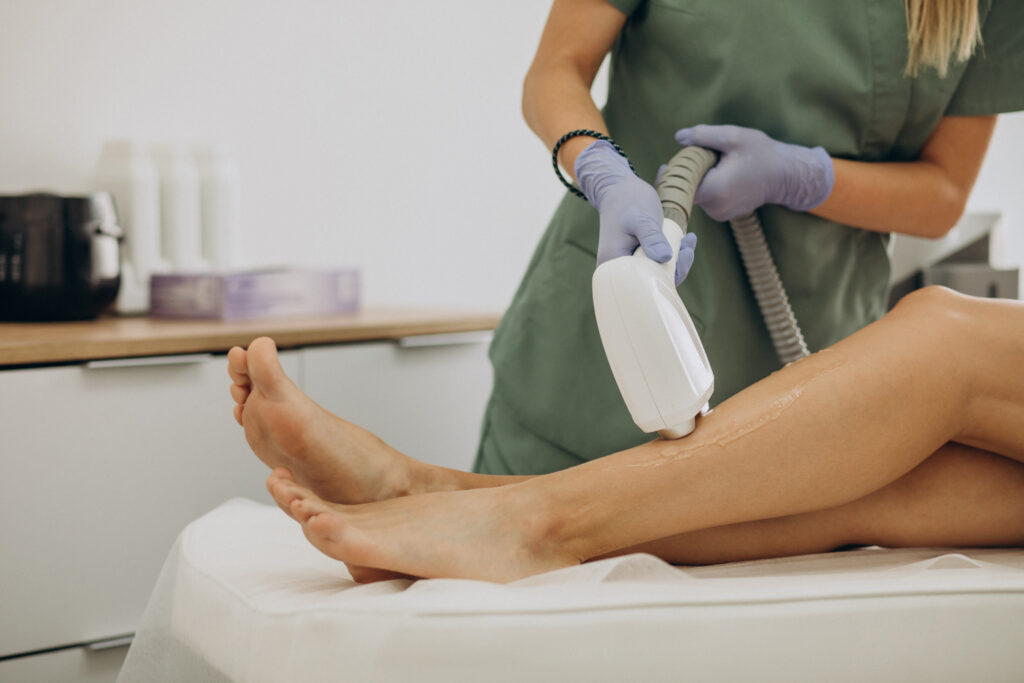
Getting ready for a beach vacation or the summer season usually involves rethinking your daily grooming routine. Shaving every other day gets old fast, and waxing is notoriously painful. It makes sense that so many people turn to laser hair removal to achieve long-lasting smoothness. But while the ultimate goal is to hit the beach without worrying about stray hairs, there is a catch you need to consider. You can’t just walk out of the clinic and immediately lay out on a pool towel.
Your skin undergoes a significant change during the process. Blending sunbathing with this cosmetic treatment is a recipe for serious skin damage. If you are planning to ditch your razor for good, understanding why you need to hide from the sun is the most important part of your aftercare.
Understanding the Process
Before we look at the sun’s impact, we need to understand how the treatment actually works. The device emits concentrated light that targets the pigment, or melanin, inside your hair follicles. The light converts to heat, damaging the follicle and preventing future growth.
Because the technology specifically seeks out pigment, your skin’s melanin is highly reactive right after a session. The surface of your skin has just absorbed a significant amount of heat energy. Even though advanced cooling gels and modern technology keep you comfortable during the appointment, your skin is technically in a state of controlled recovery.
The Threat of Hyperpigmentation
When you step into the sun, your body naturally defends itself by producing more melanin, which gives you a tan. However, because your skin is already in a sensitive, healing state following a session, your melanin production can easily go into overdrive.
This uneven, panicked production leads to a condition called hyperpigmentation. Instead of an even, golden glow, you might develop dark, patchy spots across the treated areas. These dark marks can take months to fade, entirely defeating the purpose of getting a cosmetic treatment to make your skin look flawless.
The Risk of Hypopigmentation
On the flip side, excessive UV exposure right after treatment can cause the exact opposite problem: hypopigmentation. This happens when the sun damage disrupts your melanocytes so much that they stop producing pigment altogether.
The result is distinct white patches on your skin. Unlike dark spots, which usually fade over time with proper skincare, these light patches can sometimes be permanent. It is a visual blemish that is very difficult to correct, making the temporary sacrifice of staying in the shade well worth the effort.
Severe Sunburns and Blistering
Think of a session as a highly controlled, mild thermal event on your skin. The top layer of your skin is temporarily compromised. It is raw, vulnerable, and retains residual heat for a few days after you leave the clinic.
If you expose this treated skin to harsh UV rays, you are essentially stacking a sunburn on top of an existing heat treatment. Your skin will react poorly. You can experience severe redness, painful blistering, and swelling. What should have been a minor, temporary pinkness from the appointment turns into a painful medical issue that requires a doctor’s visit and prescription creams.
The Timeline for Sun Avoidance
So, how long do you actually need to hide from the sun? The general rule of thumb is to avoid direct UV exposure for at least two weeks before and two weeks after your appointment.
- Before the appointment: The equipment needs a clear contrast between your hair color and your skin tone to work safely. If you are freshly tanned, the device has a much harder time differentiating between the hair follicle and the surrounding skin, greatly increasing your risk of surface burns.
- After the appointment: Your skin needs those full fourteen days to recover, shed the treated hairs, and rebuild its natural defensive barrier against UV light.
Because of this timeline, many dermatologists and technicians recommend starting your sessions in the late fall or winter. By the time summer rolls around, you are fully healed and ready to enjoy the weather.
Smart Ways to Protect Your Skin
If you do undergo treatments during the warmer months, you don’t have to lock yourself in a dark room. You just need to be highly intentional about your sun protection. Here are a few reliable ways to keep your skin safe while you complete your plan:
- Apply serious SPF: Slather on a broad-spectrum sunscreen with an SPF of 30 or higher every single day. Apply it even if it looks cloudy outside, as UV rays easily penetrate cloud cover. Reapply every two hours if you are outdoors.
- Cover up with clothing: The best block is a physical one. Wear long linen pants, long-sleeved shirts, or maxi dresses to keep the treated areas completely shaded while still staying cool in the heat.
- Time your outings: If you want to go for a run or walk the dog, try to do it early in the morning or later in the evening. Avoid the peak sun hours between 10 AM and 4 PM when the rays are at their strongest.
- Skip the tanning beds and lotions: Indoor tanning is just as damaging as natural sunlight. Avoid tanning beds completely. Fake tanners and bronzing lotions are also a bad idea right before a session, as the artificial pigment confuses the laser and can lead to burns.
Getting rid of unwanted hair is an investment of your time and money. Don’t sabotage your own results by rushing out to get a tan. By respecting the healing process and keeping your treated skin out of the sun, you ensure a safe, comfortable recovery and a beautifully smooth finish that you can confidently show off when the time is right.



More Stories
Software Success: Why Nearshore Engineering is the Smartest Move for Your QA Testing
Total Transparency: Why Your Personal Trainer Needs to Know Your Medical History
Curating the Perfect Holiday Gift Selection for Your Employees