
In the hygiene products industry, toilet cleaner manufacturers play a key role in making products that consumers and businesses rely on every day. These toilet cleaner contract manufacturers produce high-quality cleaning solutions for companies that want to sell products under their own brand without having to build full production facilities. From formulation and testing to packaging and delivery, understanding how compliance and safety are ensured helps brands and consumers trust the products they use.
What Are Toilet Cleaner Manufacturers?
Toilet cleaner manufacturers are specialized companies that produce cleaning solutions for other brands. Rather than selling products directly to consumers, they make products that other businesses market and distribute. This model allows brands to enter the hygiene market quickly and cost-effectively by leveraging the expertise of a professional manufacturer. A reputable contract manufacturer ensures that products are safe, effective, and compliant with all applicable regulations.
The Importance of Compliance and Safety
Compliance and safety are the foundation of producing any cleaning product. For toilet cleaner manufacturers, this means following strict guidelines throughout the manufacturing process to ensure the products meet statutory and industry standards. These rules protect consumers, maintain product consistency, and reduce risks associated with chemical exposure or improper labeling. Contract manufacturers implement quality systems that monitor every step, from ingredient sourcing to final inspection, to ensure compliance with regulations.
Raw Materials and Ingredient Standards
A major aspect of compliance involves sourcing raw materials that meet safety and quality standards. Contract manufacturers carefully select active ingredients that effectively clean and disinfect toilets. They ensure that these ingredients, along with any supporting components, are tested for safety, stability, and performance. Manufacturers also keep detailed records of all materials used so that products can be traced back to their source in case of quality concerns. By controlling raw material quality, manufacturers not only meet compliance requirements but also build consumer trust in the final product.
Product Formulation and Testing
Developing a toilet cleaning solution involves formulation science, where manufacturers balance effectiveness with safety. The product must remove stains, eliminate bacteria, and remain user‑friendly without causing damage to the toilet surface or posing health risks. Before products reach the market, they undergo rigorous testing to ensure they perform as intended. These tests can include microbial efficacy, stability over time, and compatibility with packaging. Such thorough testing helps toilet cleaner contract manufacturers deliver products that meet both performance and safety benchmarks.
Quality Control Procedures
Quality control is a continuous process that happens before, during, and after production. Contract manufacturers set up checkpoints to inspect every batch of product for consistency and safety. These controls include monitoring the chemical composition, checking for contamination, and confirming that packaging and labels are accurate. Proper labeling is especially important, as it informs consumers about correct use, potential hazards, and storage instructions. By having these systems in place, manufacturers ensure the products comply with regulatory requirements and deliver safe, reliable performance.
Regulatory Compliance
Regulatory compliance involves adhering to local and international guidelines regarding hygiene products. This includes requirements for product safety, labeling, and environmental impact. Toilet cleaner manufacturers must stay up to date with changes in regulations to ensure that their products remain compliant. Compliance is not just about following rules—it’s also about protecting the end user and maintaining product credibility in the market. Manufactures invest in certifications and audits to prove their commitment to safety and legal compliance.
Custom Private Label Options
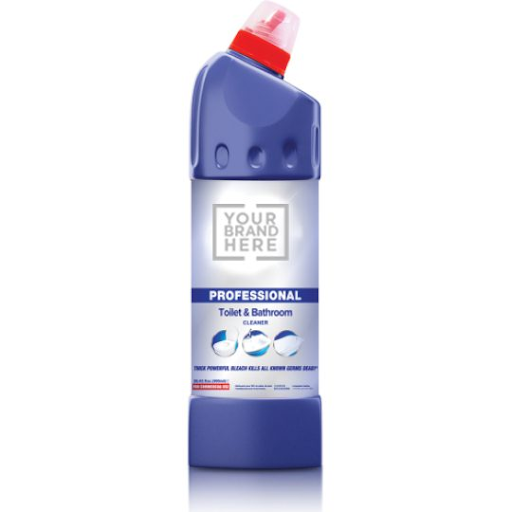
Many contract manufacturers, such as those working with private brands, offer private label toilet seat cleaner and other customizable products. This means brands can choose specific formulations, scents, and packaging styles that fit their market needs. Private label solutions allow companies to expand product lines without the technical or financial burden of setting up their own manufacturing facilities. This flexibility is a major reason many businesses choose contract manufacturing to differentiate their offerings while ensuring compliance and quality.
Conclusion
Compliance and safety are at the heart of how toilet cleaner contract manufacturers operate. From sourcing raw materials to final quality checks, manufacturers follow detailed processes to ensure each product is safe, effective, and compliant with the necessary standards. Whether producing a toilet cleaning solution or a label floor cleaners line, these manufacturers help brands bring reliable products to market with confidence. Working with an experienced contract partner enables businesses to meet consumer needs while maintaining high standards of hygiene and safety.
As a top contract manufacturing provider, The Perfect Hygiene offers high-quality toilet cleaning products, private-label toilet seat cleaners, and private label floor cleaners tailored to your brand. With expertise in formulation, packaging, and regulatory compliance, they deliver safe, effective, and customizable hygiene solutions. Their services help brands maintain high standards, stand out in the market, and provide reliable, trusted cleaning products for homes, businesses, and institutions.



More Stories
Selenium vs Playwright: Which Is Better for Test Automation?
AI-Powered Custom CRMs: What Enterprise Buyers Must Know
Why Do People Choose Personal Loans for Their Financial Needs?