

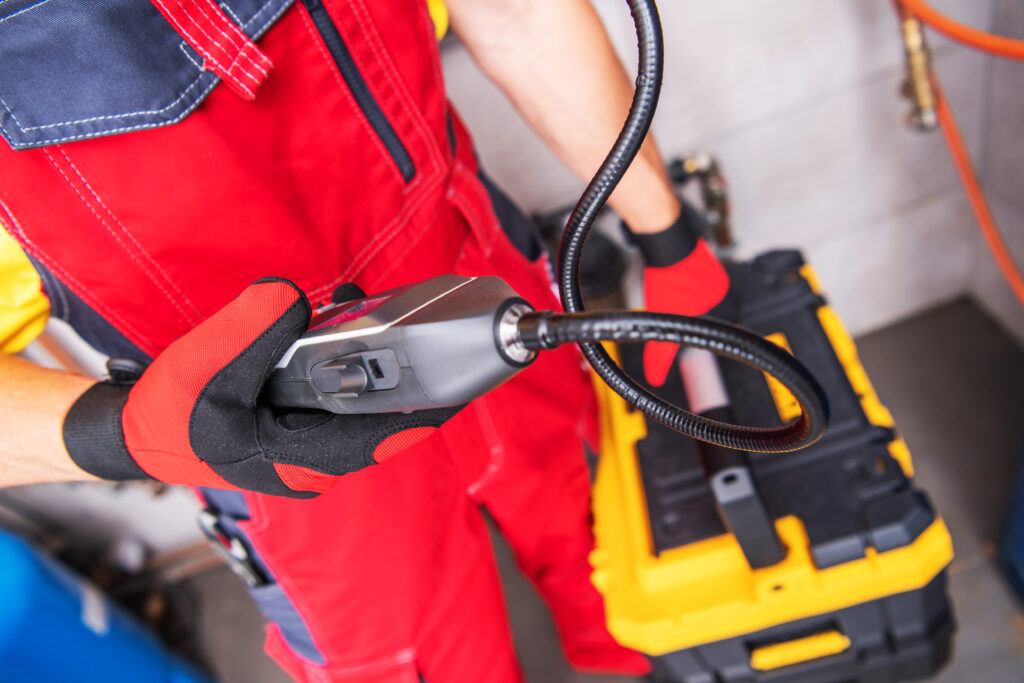
Maintaining a healthy plumbing system starts with understanding what’s going on behind the scenes—literally. Drain camera inspections have revolutionized the way we approach plumbing problems, offering homeowners and businesses a non-invasive way to see inside their pipes. But while this technology has its advantages, it’s not a cure-all for every plumbing issue. Let’s dive deep into what a drain camera inspection can (and can’t) find, so you can make an informed decision when tackling your plumbing woes.
What a Drain Camera Inspection Can Find
Drain camera inspections are versatile and effective, making them a go-to solution for many plumbing professionals. Here’s what this technology excels at detecting:
1. Clogs and Blockages
If water is draining slower than usual or not at all, there’s a good chance you have a clog. Drain cameras can pinpoint the exact location and type of blockage, whether it’s caused by hair, grease, soap buildup, or foreign objects lodged in the pipe.
2. Pipe Damage
Cracked, broken, or collapsed pipes can cause significant plumbing issues. A drain camera reveals these structural damages by providing a clear visual of the pipe’s condition, making it easier to decide on the best course of repair.
3. Tree Roots
Tree root intrusion is a common issue, especially for properties with older plumbing systems. A camera inspection can confirm whether roots have invaded your pipes and assess the extent of the damage.
4. Corrosion
Over time, metal pipes—particularly those made of cast iron or galvanized steel—are prone to corrosion. A drain camera reveals rusting or thinning areas, which could lead to leaks or pipe failure.
5. Lost Items
Whether it’s a wedding ring or a small toy that somehow made its way into the sink, a drain camera inspection can help locate and recover lost valuables stuck in your plumbing system.
What a Drain Camera Inspection Can’t Find
While drain cameras are highly effective, they aren’t omnipotent. Here are some limitations to keep in mind:
1. Minor Leaks
A camera inspection may not always detect very small leaks, especially those that don’t cause noticeable structural damage. Leaks that trickle instead of gush might require additional tools, like a hydrostatic pressure test, to locate.
2. Pipe Material Issues
Drain cameras are excellent for surface-level inspections, but they can’t assess the chemical or material composition of your pipes. For example, they can show corrosion, but they can’t measure the exact thickness of your pipe walls.
3. Hidden External Issues
While cameras excel at capturing the internal state of a pipe, they cannot reveal problems occurring in the surrounding soil or structural areas. For instance, shifting soil or foundational issues might be the root cause of a pipe problem, but they are outside the scope of what the camera can capture.
4. Exact Cause of Odors
A sewer drain camera might not always pinpoint the source of unpleasant odors unless the cause is visibly linked to a clog or damage within the pipe. In some cases, other tools or tests may be required to zero in on odor issues.
When Should You Consider a Drain Camera Inspection?
Drain camera inspections aren’t just for emergencies. They are also valuable in these situations:
- Before Buying a Home: A thorough inspection of the plumbing system can uncover hidden issues that may influence your buying decision.
- Regular Maintenance: Preventative inspections can help catch small problems before they become costly repairs.
- Recurring Problems: If you’re experiencing frequent clogs, slow drains, or unexplained plumbing issues, a camera inspection can identify the root cause.
- Post-Repair Confirmation: After major plumbing repairs, a drain camera inspection ensures the work was done correctly and that no residual problems remain.
Conclusion
Drain camera inspections are one of the most effective tools in modern plumbing, providing a clear and comprehensive look at what’s going on inside your pipes. From identifying clogs and structural damage to diagnosing tree root invasions, these inspections offer invaluable insights that help you maintain a healthy plumbing system. However, understanding their limitations is just as important—they are not a one-size-fits-all solution and may require complementary tests or equipment in some scenarios.



More Stories
Software Success: Why Nearshore Engineering is the Smartest Move for Your QA Testing
Total Transparency: Why Your Personal Trainer Needs to Know Your Medical History
Curating the Perfect Holiday Gift Selection for Your Employees