

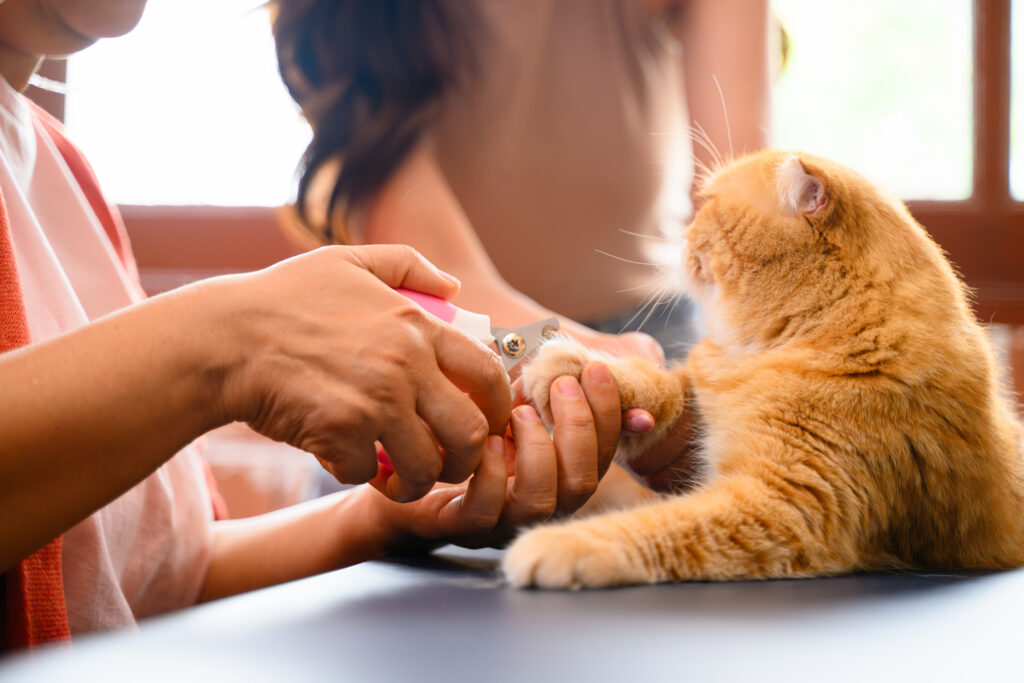
Welcoming a kitten into your home is a joyful experience filled with playful pounces and endless purrs. But amidst the excitement, ensuring your new feline friend’s health is a responsibility that requires careful planning. Vaccines are a critical component of cat care, shielding your kitten from potentially life-threatening diseases. Understanding when and why your kitten needs their first vaccines can help protect them and ensure they grow into a healthy and happy adult cat.
Why Are Vaccines Important for Kittens?
Vaccines work by preparing your kitten’s immune system to fend off specific diseases. Young kittens are particularly vulnerable to infections because their immune systems are not fully developed. While they initially receive some immunity through their mother’s milk (if the mother is vaccinated), this protection wanes within weeks. A robust vaccination schedule acts as a safety net, safeguarding your kitten from illnesses they can encounter in their environment or from other animals.
Skipping or delaying vaccines can leave your kitten unprotected, making them susceptible to preventable diseases that may lead to severe health issues—or worse.
When Should Kittens Get Their First Vaccines?
Kittens typically receive their first vaccinations when they are around 6 to 8 weeks old. This is the general recommendation, but it might vary slightly depending on your veterinarian’s advice and the kitten’s individual health needs.
The initial series of vaccines is usually given in multiple stages, referred to as boosters. These boosters are administered every 3 to 4 weeks, continuing until the kitten reaches about 16 weeks of age. These intervals are crucial because they allow the vaccines to work effectively and ensure your kitten is protected as early as possible.
Essential Vaccines for Kittens
Your kitten’s vaccination schedule will likely include a combination of “core” and “non-core” vaccines:
Core Vaccines
Core vaccines are essential for all kittens and cats, regardless of lifestyle, as they protect against highly contagious and severe diseases. These include:
- Feline Viral Rhinotracheitis (FVR): Protects against a common upper respiratory infection in cats caused by the herpesvirus.
- Calicivirus (FCV): Shields against another key respiratory virus with symptoms that can include oral ulcers and sneezing.
- Panleukopenia (FPV): Also known as feline distemper, this is a potentially fatal disease with symptoms like severe vomiting and diarrhea.
- Rabies: Rabies vaccination is often legally required and is vital for protecting both your kitten and humans from this deadly virus.
Non-Core Vaccines
Non-core vaccines depend on your kitten’s lifestyle and risk factors. Some of the more common non-core vaccines include:
- Feline Leukemia Virus (FeLV): Recommended for kittens that spend time outdoors or live in multi-cat households. FeLV can weaken the immune system and lead to other illnesses.
- Bordetella: Protects against a bacterial infection that can lead to respiratory issues, especially in kittens exposed to crowded or stressful environments, like shelters or catteries.
Your veterinarian will assess your kitten’s specific needs based on their environment and behavior, crafting a tailored vaccination plan.
What to Expect After Vaccination
It’s normal for kittens to experience mild side effects after being vaccinated. Common reactions include:
- Slight swelling at the injection site
- Fatigue or drowsiness
- A mild fever
These symptoms usually resolve within a day or two. However, if your kitten shows more severe signs, such as vomiting, diarrhea, or difficulty breathing, contact your vet immediately.
Maintaining a Healthy Routine
Vaccination is a pivotal part of your kitten’s overall health care, but it’s not the only aspect. Regular veterinary check-ups, parasite prevention, a balanced diet, and plenty of enrichment all play significant roles in ensuring your furry friend thrives. Sticking to a vaccination schedule also lays the groundwork for your kitten’s care as they transition into adulthood since adult cats require booster vaccines to maintain immunity.
Final Thoughts
Knowing when kittens need their first vaccines is an essential part of responsible cat care. Starting vaccinations at 6 to 8 weeks of age and following through with boosters ensures they are protected during their most vulnerable months. Partnering with your veterinarian to develop a tailored vaccination plan will offer peace of mind and help your kitten enjoy a happy, healthy life.
Caring for your kitten’s health now paves the way for years of companionship and joy. By staying proactive with their vaccines, you’re taking a key step in safeguarding their well-being and building a lasting bond with your precious pet.




More Stories
How Do I Get United Airlines Vacation Packages?
How Do I Change My Name on Breeze Airways?
What Is the LATAM Airlines Name Change Policy?