

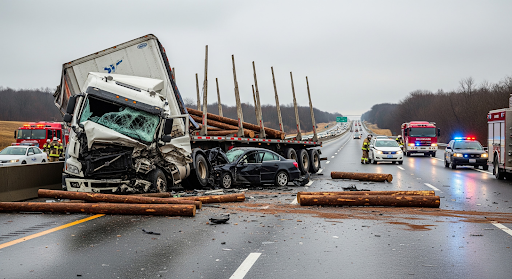
A fully loaded semi can weigh up to 80,000 pounds, and when something goes wrong, the damage is brutal. Families lose loved ones. Drivers lose jobs. Highways shut down for hours. The hard truth is that most of these crashes are preventable, and the fix starts with knowing the real risk factors and addressing them head-on.
If you are wondering what causes truck accidents the most, the answer is not just one thing. It is a mix of human error, mechanical failure, and pressure from the trucking industry itself. Let’s break it down in plain English.
Driver Fatigue Is A Major Trigger
Long hauls across states like Texas, Florida, and California push drivers to their limits. Even with federal Hours of Service rules set by the Federal Motor Carrier Safety Administration, fatigue still plays a huge role in serious crashes.
Tired drivers struggle with:
- Slower reaction times
- Poor decision-making
- Drifting between lanes
- Falling asleep at the wheel
A drowsy trucker behind the wheel of a massive rig is a serious hazard. Many crashes happen late at night or in the early morning hours when the body naturally wants to sleep.
Speeding And Aggressive Driving
Trucks take longer to stop. That is just physics. Yet many crashes involve speeding, especially on busy interstates like I-95 or I-10.
When a truck driver speeds, the risks multiply:
- Longer stopping distance
- Higher impact force
- Greater chance of rollover
- Less control in bad weather
Add aggressive lane changes or tailgating, and things can spiral fast. Tight delivery schedules often push drivers to rush, even when traffic is heavy.
Distracted Driving Behind The Wheel
Distracted driving is not just a passenger vehicle problem. Truck drivers also deal with:
- GPS adjustments
- Dispatch messages
- Cell phone use
- Eating while driving
Looking away from the road for even five seconds at highway speed can mean traveling the length of a football field without watching traffic. That is all it takes for a deadly collision.
Poor Truck Maintenance
Commercial trucks log thousands of miles every week. Without routine inspections and repairs, mechanical failures become likely.
Common maintenance issues include:
- Worn brake systems
- Tire blowouts
- Faulty lights
- Steering problems
The Federal Motor Carrier Safety Administration requires inspections, but not all companies stay on top of maintenance. Brake failure alone has been linked to many large truck crashes nationwide.
Here is a quick look at common mechanical causes and their impact:
| Mechanical Issue | Risk Created |
| Brake Failure | Inability to stop in time |
| Tire Blowout | Loss of control or rollover |
| Steering Defect | Lane departure or jackknife |
| Lighting Failure | Reduced visibility at night |
Mechanical problems are often preventable with proper inspections and timely repairs.
Improperly Loaded Cargo
Cargo matters more than most people realize. When freight is not balanced correctly, a truck becomes unstable.
Improper loading can cause:
- Rollovers on curves
- Cargo spills onto highways
- Jackknife accidents
- Increased stopping distance
Overloaded trailers are also a problem. Federal law limits weight for a reason. Too much weight stresses brakes and tires, making a crash more likely.
Weather And Road Conditions
Bad weather hits hard in many parts of the US. Think heavy rain in Florida, snow in the Midwest, or dust storms in Arizona. Trucks are especially vulnerable in these conditions.
Rain and ice increase stopping distance. Strong winds can tip high-profile trailers. Poor visibility makes it tough to react quickly.
While the weather cannot be controlled, driving behavior can. Slowing down and increasing following distance make a huge difference.
Inexperienced Or Poorly Trained Drivers
Driving a commercial truck is not like driving a car. It requires special training and a commercial driver’s license.
When companies cut corners on training, the results can be tragic. Inexperienced drivers may struggle with:
- Backing up large trailers
- Navigating tight city streets
- Managing downhill grades
- Responding to sudden traffic changes
Better training programs and ongoing education help reduce risk on the road.
Substance Use And Impairment
Federal regulations require drug and alcohol testing for commercial drivers. Even so, impairment still shows up in crash reports.
Alcohol, illegal drugs, and even certain prescription medications can affect reaction time and judgment. When you combine impairment with a massive vehicle, the outcome can be devastating.
So, What Causes Truck Accidents The Most?
When people ask what causes truck accidents the most, studies often point to driver-related factors as the leading cause. That includes fatigue, speeding, distraction, and poor decision-making. Mechanical issues and cargo problems also play a role, but human error remains at the top of the list.
The key takeaway is simple. Stronger enforcement of safety rules, better training, regular maintenance, and realistic delivery schedules can prevent many of these crashes.
Why Awareness Matters For Every Driver
Even if you are not behind the wheel of a semi, understanding what causes truck accidents the most helps you stay safer on US highways.
Here are smart habits for passenger vehicle drivers:
- Avoid lingering in a truck’s blind spots
- Give trucks extra space to stop
- Do not cut in front of large rigs
- Stay alert around merging commercial vehicles
Sharing the road with big trucks is part of everyday life in America. A little awareness goes a long way.
Truck accidents are not random acts of fate. They are often the result of preventable mistakes, pressure, or poor maintenance. When drivers, trucking companies, and regulators take safety seriously, highways become safer for everyone. Knowing the risks is the first step. Acting on that knowledge is what truly saves lives.




More Stories
Turning Ideas into Products: The Role of CAD Technology in Product Development
Home Insurance Guide: Protecting Jewellery and Valuable Possessions
From Community Service to Exequatur: The Real Path to an Honorary Consul Appointment