

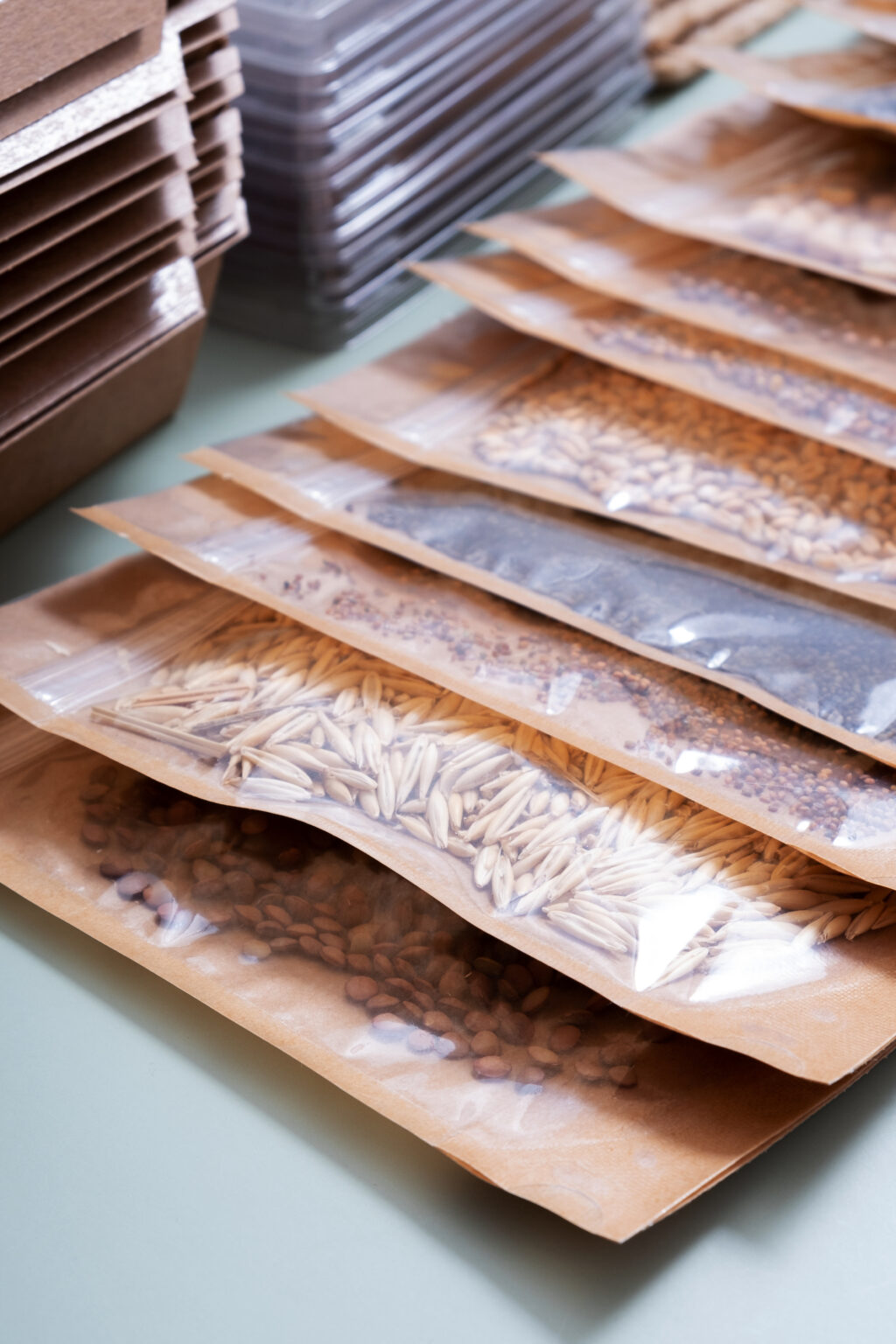
The food industry is a dynamic and fast-evolving sector, where packaging plays a crucial role in ensuring product safety, extending shelf life, and attracting consumers. As competition grows and sustainability becomes an ever-pressing concern, businesses need innovative and effective packaging solutions. From eco-friendly options to clever designs, here are seven packaging solutions tailored to the demands of the modern food industry.
1. Biodegradable Packaging
Sustainability has become a driving force in consumer decisions, and biodegradable packaging is one of the most significant advancements catering to this demand. Made from materials like plant-based plastics, bamboo fibers, or even cornstarch, these options break down naturally over time without harming the environment.
For food businesses, adopting biodegradable packaging helps build eco-conscious brand appeal while addressing environmental concerns. Ideal use cases include single-use cutlery, containers, and wraps for quick-service restaurants and takeaway vendors.
2. Modified Atmosphere Packaging (MAP)
Prolonging the freshness of perishable food products is critical, and this is where Modified Atmosphere Packaging (MAP) excels. MAP replaces the oxygen inside a package with gases like carbon dioxide or nitrogen, reducing microbial growth and slowing down spoilage.
This solution is particularly effective for products like fresh meats, fish, salad greens, and even baked goods—providing an extended shelf life that benefits both retailers and consumers.
3. Flexible Packaging
Flexible packaging involves using materials such as plastic films, aluminum foil, or paper to create adaptable containers. These can take the form of pouches, sachets, or bags and are lightweight, durable, and easy to customize.
In the food industry, flexible packaging works well for snacks, sauces, coffee, and frozen goods. Its light weight and compact size lower transportation costs while offering convenience to the consumer.
4. Vacuum Sealing
When it comes to preserving food by locking out air, vacuum sealing is an old but highly effective method. By removing oxygen, vacuum-sealed packaging minimizes oxidation and prevents the growth of molds or bacteria.
This packaging method is widely used for processed or ready-to-eat meals, fresh produce, dried fruits, and nuts. It ensures optimal freshness and is often combined with clear packaging to display the product’s quality visibly.
5. Edible Packaging
Imagine packaging you can eat—no waste, no litter. Edible packaging is a creative and sustainable solution that appeals to an increasingly eco-conscious audience. Made from natural ingredients such as seaweed, rice, or even gelatin, these packages are safe for consumption and ideal for single-serving foods.
From ice cream cones to edible cups and wraps for sandwiches or snacks, this innovative idea can transform the dining experience while reducing waste.
6. Tamper-Evident Packaging
Safety is a top priority in the food industry, particularly in a time when consumers demand transparency. Tamper-evident packaging provides visible signs if a product has been interfered with, enhancing trust and security. Common forms include shrink bands, breakable seals, or vacuum packs with integrity indicators.
This packaging type is essential for dairy products, cold-pressed juices, pharmaceuticals in edible form (e.g., supplements), and any pre-packaged goods prone to tampering.
7. Smart Packaging
Technology is making its way into food packaging through smart solutions that enhance convenience, improve transparency, and support traceability. Smart packaging can include features like QR codes that tell a product’s journey from farm to table, freshness indicators that signal spoilage, or RFID tags that aid inventory management.
While somewhat new, smart packaging is being adopted for high-value items, premium health foods, and export goods, offering both functionality and a modern edge to brands.
Key Considerations for Choosing the Right Packaging
To identify the most suitable packaging solution for your business, it’s essential to consider key factors, including:
- Product type: Perishable, long-shelf-life, frozen, or ready-to-eat foods may require specific solutions like MAP or vacuum sealing.
- Sustainability goals: Opt for biodegradable, edible, or reusable options to align with environmental commitments.
- Target market demands: Smart or tamper-evident packaging fosters trust and resonates well with today’s tech-savvy and safety-conscious consumers.
- Cost-efficiency: Strike a balance between innovative designs and budget-friendly materials to optimize profitability.
Conclusion
The right packaging goes beyond just wrapping food; it’s a bridge to customer satisfaction, product safety, and your brand’s identity. By incorporating one or a combination of these seven packaging solutions, businesses in the food industry can stand out, reduce waste, and demonstrate a commitment to innovation and sustainability.
Take the next step: evaluate these strategies and select the packaging solutions that best align with your business needs and values.




More Stories
5 Key Benefits of Managed IT Security for Growing Businesses
Realme 14 Pro Plus 5G vs Realme 14 Pro 5G Which Pro Series Model Delivers More
What Is a Credit Card and How Can It Add Value During Festivals?