

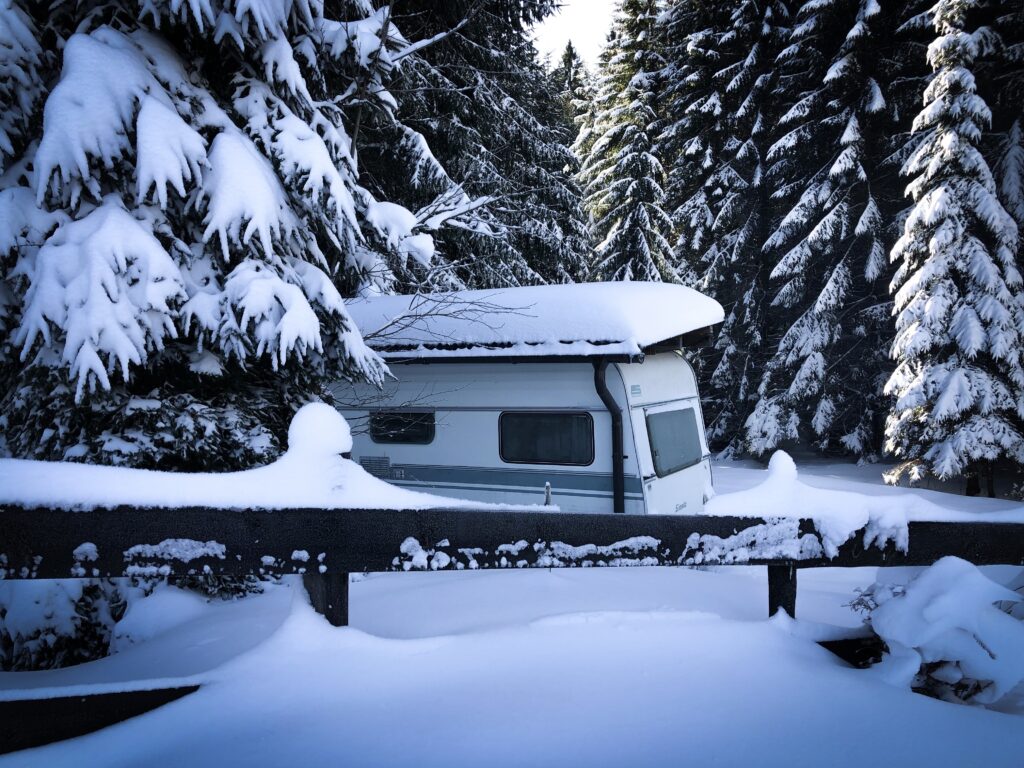
Storing your RV for the winter requires preparation. Neglecting key steps can lead to frozen pipes, unwanted critters, or even costly repairs. Whether you’re using your driveway or a rented storage unit, keeping your RV in great shape for the next adventure is essential. Here are some practical tips for winterizing your RV to avoid common problems.
1. Drain and Winterize Your Water System
Water left in your RV’s pipes can freeze and expand during cold winter months, causing cracks or bursts.
- Drain All Water: Start with the fresh water tank, gray water tank, black water tank, and water heater. Use a water pump or manually empty each.
- Bypass the Water Heater: Install a bypass kit to avoid filling your water heater with antifreeze.
- Add RV Antifreeze: Pump non-toxic RV antifreeze through the plumbing system to protect your pipes. Turn on all faucets, including the shower and outdoor spray ports, until antifreeze flows from them.
Taking the time to winterize your water system ensures you’ll avoid the frustration and expenses of repairing damaged pipes.
2. Clean and Prep the Interior
Rodents and insects often search for warm spaces to nest during winter, and an RV can be incredibly inviting.
- Remove All Food: Even non-perishable food items can attract pests. Empty refrigerators, cabinets, and pantries.
- Deep Clean: Vacuum the interior thoroughly to eliminate food crumbs. Clean all surfaces with disinfectant.
- Seal Entry Points: Check for gaps or holes around windows, vents, and doors. Use weatherproof caulking or steel wool to block access points.
- Leave Traps: Consider placing mothballs, cedar blocks, or rodent traps in problem areas as extra protection.
Keeping your RV critter-free during winter storage reduces the risk of damage to its interior.
3. Protect the Exterior and Other Compartments
Your RV’s exterior is exposed to harsh winter weather, so preparations are crucial.
- Inspect for Damage: Look for cracks or holes in the roof, siding, and seals. Address these issues to prevent water damage.
- Clean and Cover: Wash your RV thoroughly, including the roof, to remove dirt and debris. Apply RV wax to protect the surface and prevent rust. Invest in a breathable RV cover to shield it from snow and ice.
- Secure the Battery: Disconnect the battery and store it in a cool, dry space. Cold temperatures can damage or drain it.
- Deflate and Cover Tires: Slightly deflate the tires and use covers to protect them from freezing conditions and UV exposure.
These exterior maintenance steps will ensure your RV stays intact through winter storms.
4. Consider Rented Storage Units
If leaving your RV outdoors isn’t ideal, renting a storage unit offers added security and weather protection.
- Climate-Controlled Units: Some facilities offer units that maintain consistent temperatures, protecting your RV from freezing.
- Security Features: Many storage units have surveillance systems and controlled access, giving you peace of mind.
- Accessibility: Opt for a location close to home with regular access hours if you may need to check on your RV during the season.
By choosing a rented storage unit, you decrease the risk of exposure to severe weather and potential vandalism.
5. Perform a Final Check Before Storing
Finally, take one last walkthrough before locking up your RV.
- Ensure all plumbing systems are winterized.
- Verify all food and personal items have been removed.
- Lock all doors, windows, and access panels securely.
- Place moisture absorbers and rodent deterrents throughout to prevent interior damage.
This final inspection ensures you’ve covered every detail for safe winter storage.
Conclusion
Winterizing your RV doesn’t have to be overwhelming. From draining water tanks to sealing entry points and considering a rented storage unit, these tips will help keep your vehicle in excellent condition. Proper preparation means you can hit the road with ease when spring arrives, knowing your RV weathered the winter safe and sound.



More Stories
Trading the Restaurant for the Waves: Why You Should Host Your Next Birthday on the Water
How Do I Get United Airlines Vacation Packages?
How Do I Change My Name on Breeze Airways?