

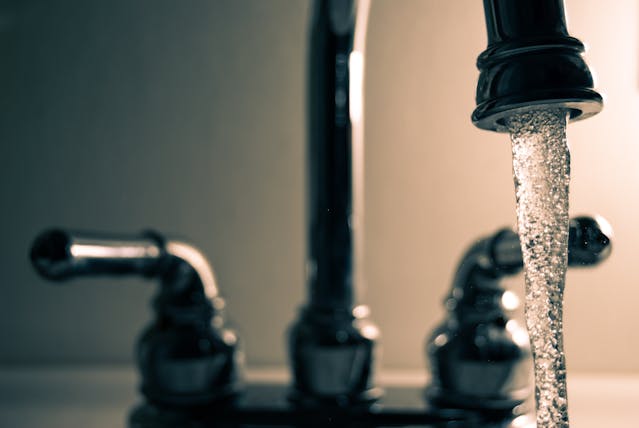
Plumbing maintenance checkups are one of the smartest investments a homeowner can make—but how often should you actually schedule one? The short answer: at least once a year. A yearly inspection allows a licensed plumber to spot small issues before they become expensive repairs. But depending on the age of your home, your water quality, and any history of plumbing issues, you may need more frequent attention.
In regions like the Inland Empire, where hard water and older infrastructure are common, regular plumbing maintenance checkups aren’t just recommended—they’re essential. The right schedule can help you protect your home, conserve water, and extend the life of your pipes, fixtures, and appliances.
How Often Should You Schedule a Plumbing Maintenance Checkup?
- Every 12 months (Standard) – Ideal for most modern homes. An annual inspection provides peace of mind and keeps your plumbing system efficient.
- Every 2 years (Low-Risk Homes) – Newer homes with no plumbing history may stretch inspections to every two years.
- Seasonal DIY Checks – Homeowners should still walk through their homes monthly or seasonally, checking for leaks, slow drains, or unusual water pressure.
If you live in an older Inland Empire neighborhood or your water supply has a high mineral content, it’s best to err on the side of caution and schedule annual professional visits. The upfront cost of an inspection pales in comparison to the potential costs of water damage, slab leaks, or sewer backups.
What a Plumber Inspects During a Plumbing Maintenance Check
During a routine inspection, plumbers do more than glance at your pipes. They perform a thorough evaluation of your system:
- Visual Fixture Check – Inspecting sinks, tubs, showers, and toilets for leaks, corrosion, or damage.
- Water Pressure & Flow Testing – Confirming safe and consistent pressure throughout your home (typically 40–60 PSI).
- Pipe Evaluation – Checking exposed pipes and, if needed, using a camera to inspect hidden lines.
- Leak Detection – Using tools like thermal imaging or moisture meters to spot hidden leaks.
- Water Heater Assessment – Flushing tanks, testing thermostats, and checking safety valves.
- Drain & Sewer Line Review – Testing drains for blockages and recommending camera inspections if problems are suspected.
- Shut-Off Valves & Hose Bibs – Ensuring valves work properly and exterior spigots don’t leak.
- Filtration or Softener Systems – Inspecting Water Treatment Equipment for Efficiency.
- Toilet & Flush Components – Detecting silent leaks or inefficient flush mechanisms.
- Gas Line & Appliance Safety – Checking gas-powered appliances and lines for leaks when applicable.
Each step is designed to prevent both everyday nuisances and major emergencies, making this inspection a true safeguard for your home.
Why Many Homeowners Overlook Plumbing Upkeep
Unlike your roof or HVAC system, plumbing often goes unnoticed until a problem arises. Pipes are hidden, drains run silently, and as long as water flows from the tap, everything seems fine. This “out of sight, out of mind” mentality leads many homeowners to neglect routine maintenance.
The problem is that plumbing issues often begin quietly: a pinhole leak behind drywall, a slowly clogging sewer line, or a water heater quietly filling with sediment. By the time visible symptoms appear, significant damage may already have been done.
Think of plumbing maintenance like an oil change for your car. You wouldn’t wait until the engine seizes before scheduling service—so why wait until a pipe bursts to call a plumber?
When to DIY and When to Call a Licensed Plumber
Some plumbing tasks are safe for the confident do-it-yourselfer:
- Unclogging a slow drain with a plunger
- Swapping out a showerhead
- Tightening a loose faucet handle
But more complex problems require a professional:
- Persistent leaks
- Water heater malfunctions
- Sewer line odors or backups
- Low water pressure throughout the home
- Issues involving gas lines or main water lines
In California, building codes also require certain plumbing work to be completed by a licensed contractor. Attempting these jobs yourself can be risky, and in many cases, illegal. When in doubt, call a licensed plumber—you’ll save time, money, and stress.
Water and Energy Saving Tips for Inland Empire Homes
Regular plumbing maintenance doesn’t just prevent damage—it also supports sustainability. Here are a few simple ways an inspection can help you save water and energy:
- Upgrade to WaterSense Faucets & Fixtures – These can reduce water use by 20% or more.
- Consider a Tankless Water Heater – They’re compact, energy-efficient, and provide endless hot water.
- Flush Your Water Heater Annually – Prevents sediment buildup that forces the heater to work harder.
- Fix Silent Toilet Leaks – A running toilet can waste hundreds of gallons per month.
- Install a Softener or Filtration System – Reduces mineral buildup, prolonging the life of pipes and appliances.
For Inland Empire residents, who often encounter hard water, these upgrades can make a significant difference in both performance and long-term costs.
The Bottom Line: A Little Maintenance Goes a Long Way
In the fast-paced rhythm of life in the Inland Empire, plumbing is easy to ignore—until it fails. But your pipes, fixtures, and appliances work daily to keep your home comfortable. A quick annual plumbing checkup can save thousands in potential repairs, extend the life of your system, and keep your water flowing worry-free.
Whether you’re in Murrieta, Temecula, Menifee, or Wildomar, scheduling routine maintenance is one of the smartest moves you can make as a homeowner. Don’t wait for leaks, clogs, or costly emergencies to remind you of the importance of your plumbing. Be proactive, protect your investment, and give your home the care it deserves.



More Stories
Choosing the Right Carpet for Each Room in Your Home
Home Addition Construction Roanoke VA: Planning the Right Project
Phasing and Dust Control in an Occupied Home Renovation