

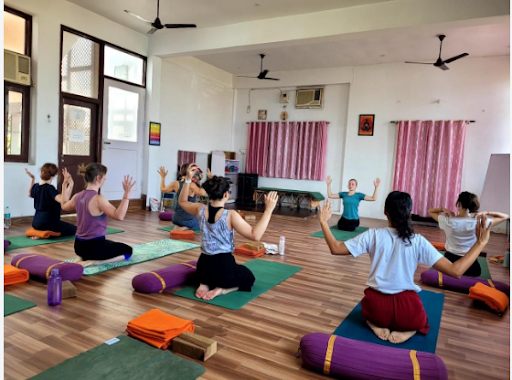
Becoming a yoga teacher is not simply about learning a sequence of postures and demonstrating them to others. It requires patience, consistent practice, an understanding of the human body, and the ability to guide students with care. As experience grows, teachers often realise that there is always more to learn.
Yoga is a broad discipline that brings together physical practice, breathing techniques, meditation, philosophy, and personal awareness. Each area offers something different, and understanding how they work together can make teaching more meaningful.
For practitioners who want to develop their knowledge, Rishikesh offers an environment closely connected with traditional yoga learning. Its spiritual heritage, natural surroundings, and international yoga community attract students who wish to continue their education.
Choosing a suitable yoga teacher training course in rishikesh can be an important step for anyone who wants to strengthen their personal practice and develop the skills needed to guide others.
Why Experienced Practitioners Continue Learning
Completing an introductory teacher training programme is an important achievement, but it does not mark the end of a yoga teacher’s education. Every class brings different students, questions, physical abilities, and learning needs.
An experienced teacher must be able to respond thoughtfully to these differences. This requires more than remembering postures. It involves understanding movement, recognising individual limitations, communicating clearly, and creating a supportive learning environment.
Continuing education can help teachers revisit familiar subjects with greater attention. A posture that once seemed simple may reveal new details about alignment, balance, and breathing. A philosophy lesson may become more relevant as personal experience develops.
Advanced study also encourages teachers to reflect on their own habits and teaching methods. It can help them recognise areas that need improvement and develop a more responsible approach to sharing yoga.
Rishikesh and Its Connection with Traditional Yoga
Rishikesh is located near the Himalayan foothills, along the banks of the River Ganga. For generations, the city has attracted spiritual seekers and people interested in traditional Indian knowledge.
Its atmosphere offers an opportunity to step away from familiar routines and give greater attention to personal learning. Students can spend time practising, studying, and reflecting in surroundings that have a strong connection with yoga.
The city also welcomes practitioners from many different countries. This creates an environment where people can exchange experiences and learn from different perspectives.
For students researching a yoga teacher training course in rishikesh, the location can be an important part of the experience. However, the school, teaching quality, course structure, and learning environment deserve equal attention.
Understanding the 300 Hour Yoga Teacher Training Programme
A 300 hour yoga teacher training programme is generally intended for practitioners who have already completed a suitable foundational teacher training course.
A 300 hrs yoga ttc in rishikesh offers an opportunity to continue studying yoga through more detailed practical and theoretical learning.
The programme is designed to build upon the knowledge gained during earlier training. Depending on the school’s curriculum, subjects may include advanced asana, pranayama, meditation, anatomy, yoga philosophy, and teaching methodology.
Students should check the entry requirements before applying. Advanced programmes commonly expect applicants to have completed a recognised 200 hour teacher training course or an equivalent qualification.
The purpose of further training is not simply to make practice more physically challenging. It is to develop a deeper understanding of yoga and improve the ability to guide students with knowledge and confidence.
Important Subjects in Advanced Yoga Education
Advanced training can introduce students to several areas of study in greater detail. These subjects help teachers become more thoughtful practitioners and develop a stronger foundation for their work.
1. Advanced Asana and Alignment
Asana practice becomes more detailed as students gain experience. They begin to understand the relationship between posture, movement, balance, and breathing.
Advanced study may explore more complex postures and transitions while giving attention to safe alignment. Students also learn why a posture may need to be adapted according to someone’s physical ability.
A responsible teacher understands that progress is not measured by how deeply a person can move into a pose. The focus should remain on awareness, stability, and appropriate practice.
2. Pranayama and Breath Control
Pranayama plays an important role in traditional yoga. It introduces students to methods of observing and regulating the breath.
Advanced learning can help practitioners understand these techniques more carefully, including the importance of preparation and suitable guidance.
Teachers who understand pranayama can explain breathing practices more clearly and encourage students to approach them with patience.
3. Meditation and Mental Awareness
Meditation is a practice that develops through consistency. Advanced study can help students explore concentration, observation, and different approaches to cultivating awareness.
Teachers may also develop a better understanding of how to introduce meditation to students with different levels of experience.
Rather than expecting immediate results, the emphasis remains on regular practice and a gradual understanding of the mind.
4. Yoga Philosophy and Traditional Teachings
Yoga philosophy provides the ideas and principles that give the practice its broader meaning.
Studying traditional teachings can help students understand concepts such as discipline, self study, awareness, and ethical conduct.
These principles can influence the way a teacher approaches everyday responsibilities. They encourage honesty, patience, respect, and a thoughtful attitude towards others.
5. Anatomy and Understanding Individual Needs
Anatomy is especially important for teachers who work with students of different ages, abilities, and physical conditions.
A deeper understanding of the body can help teachers recognise movement limitations and make more suitable decisions during classes.
It also encourages instructors to avoid treating every student in the same way. Appropriate modifications and clear communication are important parts of responsible teaching.
6. Teaching Methodology and Communication
Teaching methodology focuses on the practical skills required to lead a class.
Students may develop their ability to plan sessions, explain postures, demonstrate movements, and organise a balanced sequence.
Communication is equally important. A good teacher should be able to give clear instructions while creating an atmosphere where students feel comfortable asking questions and learning at their own pace.
Learning at Himalayan Yoga Ashram
Selecting the right school is an important part of continuing yoga education. Students should look for a programme that provides a clear curriculum, suitable guidance, and an environment that supports consistent learning.
Himalayan Yoga Ashram is based in Rishikesh and provides an opportunity to explore yoga education in a location associated with traditional spiritual practice.
Those interested in a 300 hrs yoga ttc in rishikesh should review the latest programme information directly from the school. It is important to understand the subjects covered, admission requirements, daily schedule, accommodation arrangements, and certification details.
Students should also consider how the programme balances practical sessions with theoretical learning. A clear understanding of the course structure can help them decide whether it supports their personal and professional goals.
Before enrolling, it is sensible to contact the school with any questions about eligibility or the training experience.
How Ashram Life Can Support Your Development
An ashram environment can provide a different rhythm from everyday city life. A structured routine encourages students to give time to practice, study, rest, and personal reflection.
Depending on the programme, daily activities may include yoga sessions, pranayama, meditation, classroom learning, and independent study.
Following a regular schedule can help students develop discipline and become more aware of their daily habits. It can also create space for deeper concentration without the usual distractions.
Another valuable part of the experience is learning alongside people from different backgrounds. Conversations and shared practice can introduce new ideas and encourage students to look at familiar subjects from another perspective.
The experience of living and learning in a focused environment may continue to influence students even after they return home.
Who Should Consider a 300 Hour Training Programme?
Advanced teacher training is generally suitable for people who have already developed a foundation in yoga education.
It may be worth considering if you:
- Have completed a suitable 200 hour yoga teacher training course.
- Want to explore traditional yoga subjects in greater detail.
- Wish to improve your teaching skills and communication.
- Want to develop a deeper understanding of anatomy and alignment.
- Are interested in meditation, pranayama, and yoga philosophy.
- Want to continue your personal development through structured study.
Before choosing a programme, think about what you want to achieve. Some practitioners are interested in professional development, while others want to improve their understanding of yoga for personal reasons.
Knowing your priorities can make it easier to select a course that matches your experience.
What to Check Before Enrolling
A training programme requires time, commitment, and preparation. Before making a decision, compare the available information carefully.
Start with the course curriculum and entry requirements. Make sure the programme is suitable for your previous training and that the subjects match your learning goals.
Next, look into the teaching team and the structure of practical sessions. Understanding how much time is dedicated to asana, breathing, meditation, philosophy, and teaching practice can help you form realistic expectations.
You should also review accommodation, meals, daily schedules, fees, and certification arrangements. If any information is unclear, contact the school before making a booking.
A suitable training experience should offer more than an attractive location. It should provide an environment where students can learn, ask questions, and continue developing their skills.
Continue Your Yoga Journey with Confidence
Yoga education is a continuous process. Each stage of learning can bring a new understanding of familiar practices and encourage teachers to approach their responsibilities with greater awareness.
Rishikesh offers a meaningful setting for this experience through its natural surroundings and long association with traditional yoga. For practitioners ready to continue beyond foundational training, an advanced programme can provide an opportunity to refine their knowledge and teaching approach.
Himalayan Yoga Ashram is worth exploring when considering your next step. Visit the official website to review the current programmes and confirm the latest course information before applying.
A thoughtful yoga teacher never stops being a student. With regular practice, suitable guidance, and a willingness to keep learning, the journey can continue to bring new understanding both on and off the mat.



More Stories
A Practical Guide to Choosing Massage Services in Dubai Today
A Relaxing Guide to Choosing the Right Oil Massage Experience
What Acute Care at Home Can Offer During Flu Season