

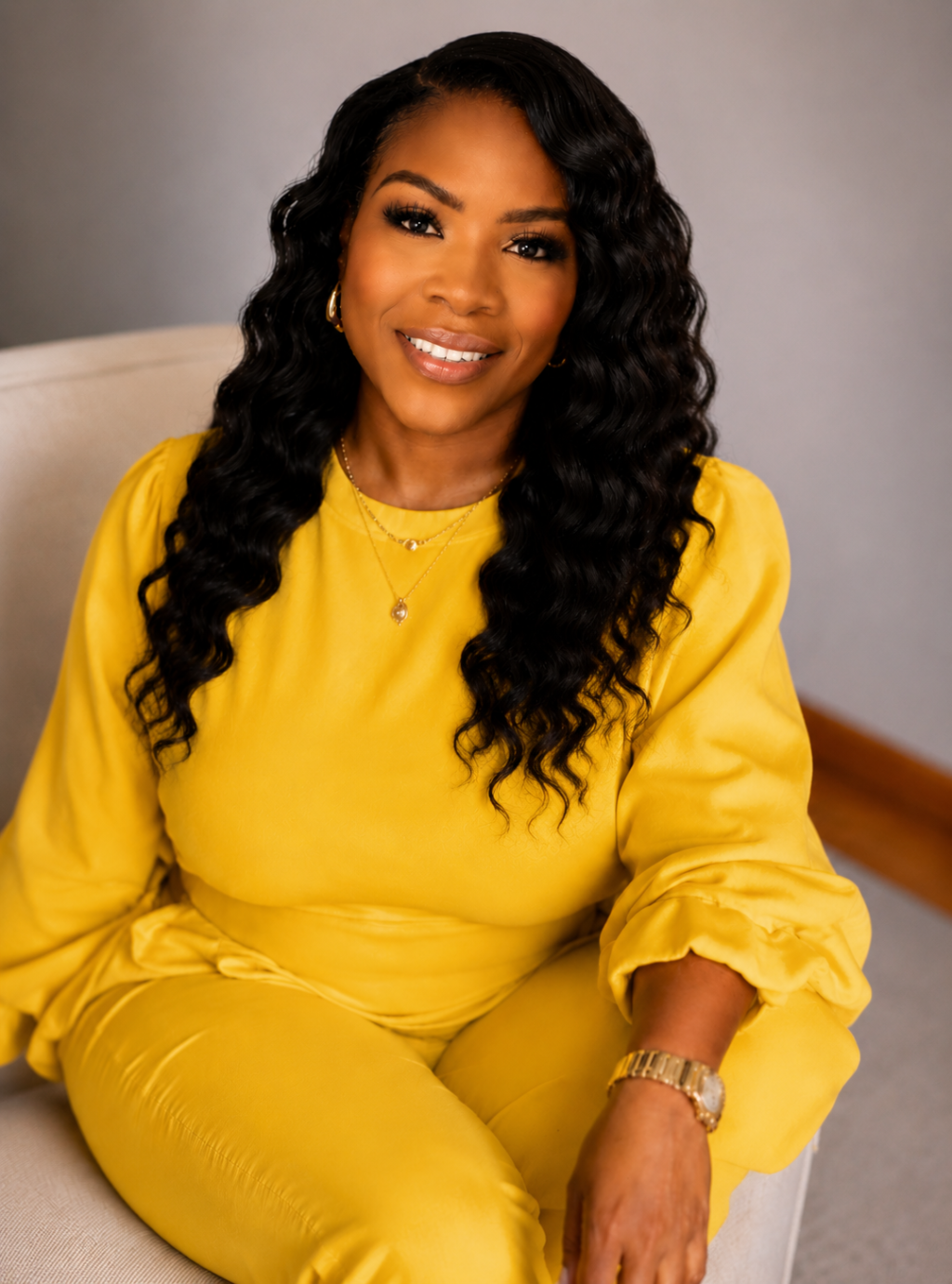
In a mental health landscape where waitlists stretch for months and most clients get assigned to whoever has an opening, Jhiree Jones built something intentionally different. As the founder of Cherry Blossom Healing, a multi-therapist practice in Bergen County, New Jersey, Jones operates on a principle that sounds simple but proves radical in practice: she doesn’t hire until the demand is proven and the right fit exists — not just availability. No overextension. No rushed intake. Just matched care, every time.
By day, Jones works as a school counselor inside a public school system, watching firsthand what happens when young people need help but can’t find the right fit. By design, she created Cherry Blossom Healing as the answer to that gap. The practice specializes in grief, anxiety, depression, and trauma, and her team includes a Spanish-speaking therapist and a therapist who has drawn interest from communities across New Jersey seeking multicultural awareness—including, notably, from the Real Housewives of New Jersey. That call confirmed what Jones already knew: people aren’t just looking for any therapist. They’re looking for someone who gets them.
Building a Practice Around Matching, Not Just Availability
Cherry Blossom Healing didn’t start with four therapists and a waitlist. It started with one clear mission: match clients to the right provider, not just an available one. Jones recruited specialists across multiple areas of mental health, each bringing expertise in specific populations and presenting concerns. Before COVID-19, she operated four in-person offices across Bergen and Morris Counties. When the pandemic hit, she pivoted immediately, transitioning the practice to a virtual-first model that cut overhead while expanding reach.
Now, 90% of Cherry Blossom’s client intake flows through Psychology Today profiles. That statistic isn’t accidental. Jones recognized early that younger clients, particularly those aged 19 to 32, research therapists the way they research everything else: online, carefully, looking for someone whose profile resonates. They make decisions based on how a provider presents themselves, what specialties are listed, and whether the therapist looks like they understand the client’s world. Cherry Blossom’s profiles reflect that reality. Each therapist’s page is specific, personal, and crafted to help the right clients self-select in.
Jones’ goal is to provide greater access to therapy and connect with individuals who may benefit from professional support. She hopes to help people recognize that therapy is not just for those facing severe mental health challenges, but also for individuals dealing with everyday stressors, grief and loss, difficult decisions, major life transitions, relationship concerns, or simply seeking guidance and personal growth. By increasing awareness and accessibility, she aims to normalize therapy as a valuable resource for navigating life’s challenges.
That focus drives every decision. Quality over scale. Depth over volume. When therapists reach capacity, Jones doesn’t immediately hire. She waits. She makes sure the foundation is solid before adding another person to the team.
Cultural Competency as Practice Foundation, Not Marketing Add-On
The practice also received outreach from the production team of The Real Housewives of New Jersey, which explored its expertise in addressing complex family, cultural, and relational dynamics. For many clients, finding a therapist who shares their cultural background, language, or faith isn’t a preference—it’s the determining factor in whether they seek care at all. Therapy still carries stigma in many communities, and generic practices often fail to address those nuances.
Cherry Blossom addresses them directly. The practice offers Spanish-speaking therapy for clients whose first language isn’t English. The practice is committed to providing culturally responsive care that reflects the diverse backgrounds, values, and lived experiences of the individuals and families it serves. These aren’t token additions. They’re core to how the practice operates and who it serves.
Jones also recognizes that cultural competency extends beyond language and religion. Young professionals in transition, college students managing anxiety for the first time, adults navigating grief or trauma—each client population requires a different approach. Cherry Blossom’s model ensures that when someone reaches out, they’re not funneled into a one-size-fits-all intake process. They’re matched to the therapist whose expertise, background, and communication style align with what the client needs.
The Double Life: School Counselor and Practice Founder
Jones doesn’t just run Cherry Blossom Healing. She also works full-time as a school counselor, which means she sees both sides of the mental health access problem. Inside the school, she witnesses what happens when young people don’t have adequate support systems. She watches students struggle to find care outside the school setting, ending up on waitlists or settling for providers who aren’t the right fit simply because they had an opening.
“I’m in the school,” Jones explained when discussing her schedule. “And so my thought process was, well, school is almost over. So maybe I should start and focus this on the summer. So I’m doing it in the month of July and August where I have total freedom and flexibility to do so.”
That dual role informs everything about how Cherry Blossom operates. Jones understands the real barriers young people face. She knows that access isn’t just about availability—it’s about trust, relatability, and feeling seen. She also knows that building a practice requires time, intention, and the ability to be present. Balancing both roles means she has to be strategic about when and how she invests her energy.
But that balance also gives her credibility. She’s not just a therapist who opened a practice. She’s a licensed professional working inside the systems that are supposed to catch people before they fall through the cracks. When those systems fail, Cherry Blossom becomes the backup plan that actually works.
A Practice Built for the Next Generation of Therapy Seekers
The mental health industry talks about access as if it’s been solved. It hasn’t. The generation currently seeking therapy—Gen Z and younger millennials—are more willing to ask for help than any generation before them. They grew up with mental health language normalized in schools, on social media, and in pop culture. But when they finally decide to reach out, they often hit the same wall: long waitlists, insurance limitations, and practices that treat intake like a transaction instead of the beginning of a relationship.
Cherry Blossom Healing was built specifically to address that disconnect. Jones doesn’t overbook. She doesn’t overpromise. She waits until each therapist is matched and at capacity, ensuring the practice can sustain quality care before expanding. It’s a model that prioritizes long-term stability over short-term growth, and it works because it respects both the therapists and the clients.
The practice also meets clients where they are—literally and digitally. Operating virtually since the pandemic, Cherry Blossom serves clients throughout New Jersey, making therapy more accessible to individuals who may otherwise face barriers to care. That flexibility matters. Clients in suburban and rural communities who might have limited local options can connect with a therapist from Cherry Blossom’s team without the challenges of lengthy commutes, transportation concerns, or restrictive office hours.
Jones has also authored a book, My Current Past, hosted a sold-out self-care conference at a university, and appeared on mental health panels. These efforts extend Cherry Blossom’s reach beyond individual client sessions, positioning Jones as both a practitioner and an advocate for better systems of care. She’s not waiting for the industry to change. She’s building the alternative herself.
In a field where burnout is high and turnover is constant, Cherry Blossom Healing stands out not because it’s flashy, but because it’s sustainable. Jhiree Jones built a practice that works—for her team, for her clients, and for the communities that have been overlooked for too long. She refuses to hire until every therapist is fully booked, and that refusal is exactly what makes her practice worth paying attention to.




More Stories
Clear Aligners: A Clearer Way to Achieve a Straighter, Healthier Smile
Oren Shachar and Co-Defendant Abraham Shin Released on Bond in Medicare Case
Justin Jadali on Quantitative Microscopy in Tissue Engineering Research