

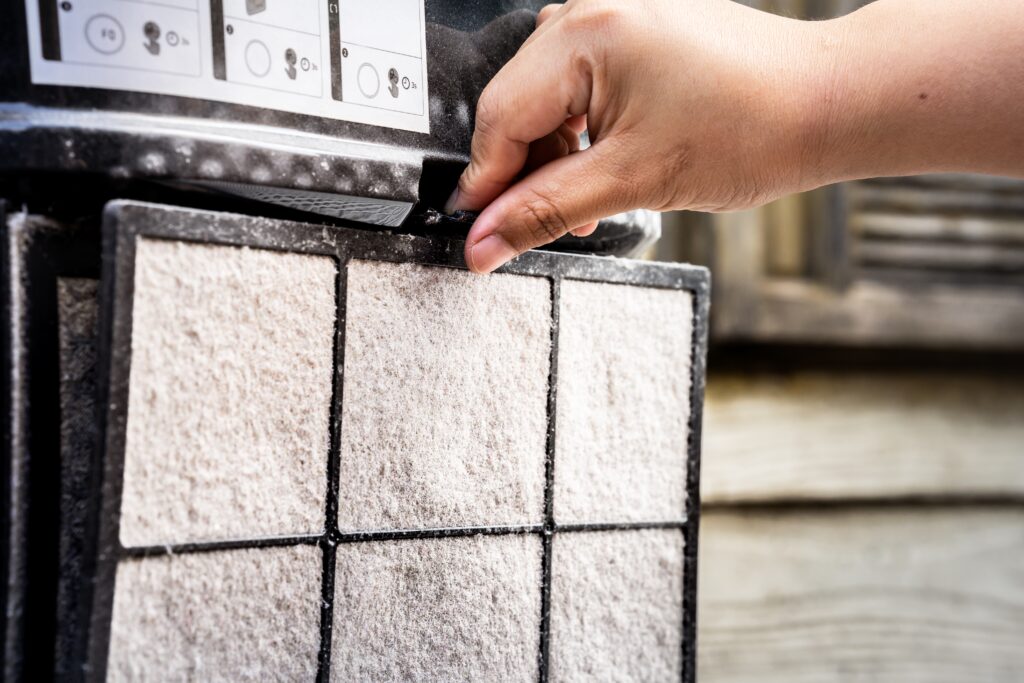
Salt Lake City is known for its stunning mountain views—but also for its challenging air quality. Between winter inversions, wildfire smoke, vehicle emissions, and industrial pollution, outdoor air in the SLC valley frequently ranks among the worst in the nation.
What most homeowners don’t realize is that these pollutants don’t stay outside. They often seep into your home’s interior, affecting indoor air quality, health, and overall comfort.
Understanding how these pollutants enter your living space is the first step in protecting your household.
1. Air Leaks Around Doors, Windows, and Vents
Even newer homes experience some degree of air leakage. Tiny gaps around:
- Window frames
- Sliding doors
- Utility penetrations
- Dryer vents
- Exhaust vents
- Attic access points
…allow outdoor air to slip inside. During heavy pollution days or winter inversions, these leaks act like small entry points for fine particulates (PM2.5), ozone, and wildfire smoke.
In older homes, these leaks can be significantly larger, making it difficult to keep polluted air out without proper sealing and weatherization.
2. HVAC System Intake and Pressure Imbalances
Your HVAC system naturally circulates indoor and outdoor air. If your home isn’t properly sealed or your HVAC system isn’t balanced, negative pressure can develop—meaning the home pulls air inward from outside or from unconditioned spaces like attics, crawl spaces, or garages.
When that happens, polluted SLC air finds easy pathways into your home through:
- Furnace fresh-air intakes
- Gaps in ductwork
- Attic or crawlspace leaks
- Return air leaks behind walls
Once inside, pollutants continue to circulate through your ventilation system unless filtered out.
3. Opening Doors and Windows During High-Pollution Days
It’s natural to crack a window for fresh air—except when the “fresh” air isn’t fresh at all. On red or orange air-quality days in Salt Lake County, opening windows allows smoke, soot, and fine particles to enter instantly.
PM2.5—one of SLC’s most problematic pollutants—is so small that it can remain suspended in the air for hours and linger on furniture, carpets, and HVAC filters long after windows are closed.
4. Wildfire Smoke Traveling Through Building Materials
During Utah’s wildfire season, smoke levels often spike dramatically. Fine smoke particles are small enough to penetrate porous building materials such as:
- Insulation
- Unsealed drywall gaps
- Attic fiberglass
- Old weather stripping
- Ventilation chases
Even if doors and windows remain shut, smoke can infiltrate through microscopic pathways in the home’s structure.
5. Indoor Sources That React With Outdoor Pollutants
Once outdoor pollutants seep in, they can react with indoor chemicals such as:
- Cleaning supplies
- Cooking fumes
- Scented candles
- Aerosol sprays
This forms secondary pollutants—often more irritating than the originals. This is why indoor air quality can sometimes be worse than what’s outside during heavy pollution days.
6. Leaky Ductwork Pulling Contaminants Inside
Leaky or poorly sealed ductwork is one of the biggest culprits of indoor pollution. When ducts pull air from attics, garages, or crawl spaces, they can introduce dust, insulation fibers, mold spores, and outside pollutants into your breathing air.
Salt Lake City’s outdoor air challenges don’t end at your doorstep. Pollutants enter through leaks, HVAC systems, unbalanced pressure, wildfire smoke infiltration, and even reactions with indoor chemicals.
By improving sealing, upgrading filters, maintaining ductwork, and monitoring air-quality conditions, you can significantly reduce the amount of harmful pollutants entering your home—and breathe cleaner, healthier air year-round.



More Stories
Clear Aligners: A Clearer Way to Achieve a Straighter, Healthier Smile
Oren Shachar and Co-Defendant Abraham Shin Released on Bond in Medicare Case
Justin Jadali on Quantitative Microscopy in Tissue Engineering Research