

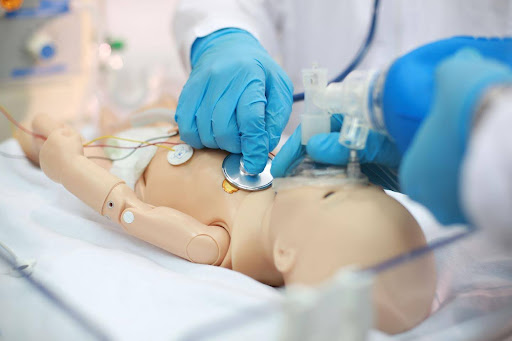
Medical emergencies involving children require quick thinking, specialized knowledge, and immediate action. Unlike adults, children have different physiological responses during emergencies, which makes pediatric-focused emergency care essential. This is why healthcare professionals often enroll in a pediatric life support course to learn the correct procedures for handling life-threatening situations involving infants and children.
With proper pediatric advanced life support training, medical professionals gain the confidence and skills needed to respond effectively during pediatric emergencies, improving survival rates and patient outcomes.
What Is Pediatric Life Support?
Pediatric life support refers to a set of medical procedures designed to help infants and children who are experiencing life-threatening conditions such as cardiac arrest, respiratory failure, or severe trauma.
A professional pediatric life support course teaches healthcare providers how to recognize emergency signs and respond quickly with appropriate life-saving techniques. The training focuses on stabilizing pediatric patients until advanced medical care can be provided.
This type of training is essential for healthcare professionals who work in emergency departments, pediatric units, and critical care environments.
Understanding Pediatric Advanced Life Support
While basic life support covers fundamental emergency procedures, pediatric advanced life support training goes a step further by teaching advanced techniques for managing serious pediatric emergencies.
This training focuses on critical skills such as airway management, medication administration, and advanced resuscitation techniques. Healthcare providers learn how to assess pediatric patients quickly and provide appropriate interventions based on their condition.
The goal of pediatric advanced life support training is to ensure that medical professionals can effectively manage complex pediatric emergencies in both hospital and pre-hospital settings.
What You Learn in a Pediatric Life Support Course
A comprehensive pediatric life support course covers a wide range of topics designed to prepare healthcare professionals for emergency situations involving children.
Some key areas of training include:
- Pediatric cardiopulmonary resuscitation (CPR) techniques
- Recognizing respiratory distress in infants and children
- Managing choking and airway obstruction
- Emergency response for pediatric cardiac arrest
- Basic airway management techniques
- Assessing vital signs in pediatric patients
These skills help healthcare professionals respond quickly and effectively during life-threatening situations.
Key Components of Pediatric Advanced Life Support Training
Programs offering pediatric advanced life support training provide in-depth knowledge and hands-on practice for managing critical pediatric emergencies.
Training typically includes:
- Advanced airway management
- Pediatric ECG interpretation
- Medication administration during emergencies
- Managing shock and trauma in children
- Post-resuscitation care for pediatric patients
- Team-based emergency response simulations
These components ensure that healthcare professionals gain practical experience in managing complex pediatric medical emergencies.
Who Should Take Pediatric Life Support Training?
A pediatric life support course is beneficial for a wide range of healthcare professionals who may encounter pediatric emergencies during their work.
Individuals who commonly enroll in these courses include:
- Pediatricians and doctors
- Nurses and nursing assistants
- Emergency medical technicians (EMTs)
- Paramedics
- Healthcare students
- Hospital emergency staff
Having proper pediatric advanced life support training ensures that these professionals are prepared to act quickly and effectively when a child’s life is at risk.
Benefits of Pediatric Emergency Training
Completing a pediatric life support course offers numerous benefits for healthcare professionals and organizations.
Some of the main advantages include:
- Improved ability to recognize pediatric emergencies
- Faster response times during life-threatening situations
- Increased confidence in performing life-saving procedures
- Better teamwork and coordination during emergencies
- Enhanced patient survival rates
With proper pediatric advanced life support training, healthcare professionals can significantly improve the quality of care provided to critically ill children.
Hands-On Training and Simulation
One of the most valuable aspects of a pediatric life support course is the opportunity to practice life-saving skills through hands-on training and simulation exercises.
Participants often work with manikins and simulated emergency scenarios to practice CPR, airway management, and emergency response techniques.
These realistic simulations are an important part of pediatric advanced life support training because they allow healthcare professionals to apply their knowledge in controlled environments before facing real emergencies.
Certification and Career Advantages
Healthcare professionals who complete a pediatric life support course often receive certification that demonstrates their competency in pediatric emergency care.
This certification is highly valued by hospitals, clinics, and emergency medical services because it ensures that staff members are trained to handle critical pediatric situations.
In addition, completing pediatric advanced life support training can enhance career opportunities and professional credibility within the healthcare field.
The Importance of Continuous Training
Medical knowledge and emergency protocols continue to evolve as new research and technologies emerge. This is why healthcare professionals are encouraged to regularly update their skills through advanced training programs.
Regular participation in a pediatric life support course helps professionals stay updated on the latest life-saving techniques and guidelines.
Continuous pediatric advanced life support training ensures that healthcare providers remain prepared to deliver the highest level of care during pediatric emergencies.
Preparing Healthcare Professionals to Save Lives
Pediatric emergencies require specialized skills and quick decision-making. Proper training ensures that healthcare professionals are equipped to respond effectively when every second counts.
By enrolling in a pediatric life support course, medical professionals gain essential knowledge and practical experience in managing life-threatening conditions in children.
With comprehensive pediatric advanced life support training, healthcare providers can improve patient outcomes, strengthen emergency response capabilities, and ultimately save young lives.



More Stories
Understanding the Role of IB Chemistry Tutors in Structured Exam Preparation
How to Choose the Right Foreign Education Consultant in Mumbai for Your Study Abroad Journey
Advance Your Career with Professional Childcare Education and Practical Skills