

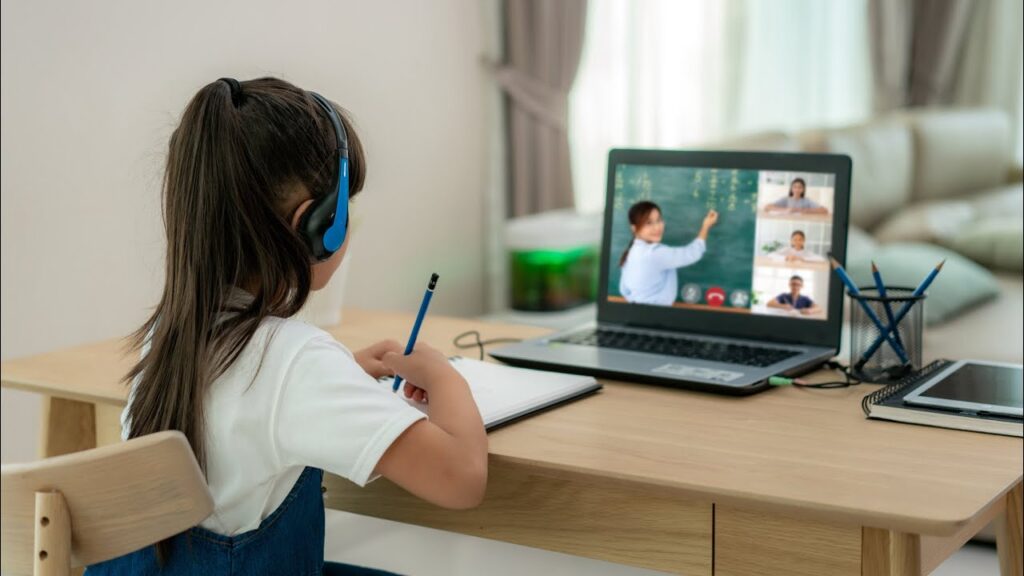
Online learning has changed the way children experience education by turning lessons into interactive and enjoyable sessions. A fun online class is no longer limited to watching a teacher speak on screen; it now includes activities, visuals, quizzes, storytelling, and live participation that make learning more engaging and less stressful for students.
Instead of memorizing concepts, children now experience learning in a way that feels more natural, creative, and interesting. This shift has made digital education a preferred choice for many parents and students because it blends learning with enjoyment in a balanced way.
A New Learning Experience for Today’s Kids
Online education offers a different learning environment from traditional classrooms, allowing children to study from home in a comfortable and focused space.
Unlike rigid classroom setups, online classes for kids provide flexibility in pace and learning style, helping students understand better and revisit lessons whenever needed.
Some key experience-based advantages include:
- Comfortable home-based learning
- Reduced the pressure of physical classrooms
- Flexible scheduling options
- Better attention from teachers
- Easy access to learning materials
- Ability to revisit difficult topics anytime
This overall experience helps children feel more confident, less anxious, and more involved in their studies.
Interactive Methods That Keep Students Involved
One of the strongest advantages of online learning is interaction. Instead of passive listening, students actively participate in lessons through structured engagement methods.
Teachers use engaging techniques such as:
- Live quizzes and polls
- Digital whiteboards
- Story-based explanations
- Group discussions
- Instant doubt solving
- Interactive worksheets and tasks
These activities keep students focused during sessions and improve their understanding of topics. Interaction also builds communication skills and confidence in expressing ideas.
Role of Visual and Digital Learning Tools
Modern online platforms use visual learning tools that make complex subjects easier to understand. Instead of only reading or listening, children learn through images, animations, and real-world simulations.
Common tools include:
- Animated lesson videos
- Educational games
- Interactive diagrams
- Reward-based systems
- Practice simulations
- Step-by-step visual explanations
These tools help children connect with topics better and reduce boredom, especially in subjects that usually feel difficult in traditional learning environments.
Learning at Individual Pace
Every child learns differently, and fun online class education supports this by allowing personalized learning speeds. Students are not forced to follow a fixed classroom pace.
Benefits of flexible learning speed:
- Extra time for difficult topics
- Faster progress for advanced learners
- Repeat access to recorded lessons
- Customized practice sessions
- Reduced pressure during learning
This approach ensures balanced academic development and helps students build confidence gradually without stress.
Confidence Building Through Participation
Online classes create a safe environment where children feel more comfortable participating. Since they are learning from home, hesitation and fear of judgment have reduced significantly.
This happens because:
- Teachers provide individual attention
- Students feel more relaxed
- Mistakes are treated positively
- Participation is more frequent
- Communication feels easier
Over time, children become more confident in asking questions, solving problems, and expressing themselves clearly.
Engagement That Improves Understanding
Engagement is one of the most important factors in learning effectiveness. Online education focuses on keeping students actively involved instead of just listening.
Engagement techniques include:
- Short, focused lessons
- Real-life examples
- Visual storytelling
- Frequent interaction
- Fun learning activities
- Quick revision exercises
These methods help students understand concepts faster and remember them for longer periods.
Learning Outcomes and Academic Growth
When students are engaged and comfortable, academic performance improves naturally. Online learning supports better understanding and stronger conceptual clarity.
Positive outcomes include:
- Improved subject understanding
- Better memory retention
- Strong problem-solving skills
- Higher participation levels
- Consistent academic improvement
- Better revision habits
This shows that engagement directly influences academic success and long-term learning growth.
Teacher Support in Digital Learning
Teachers play a central role in making online learning effective and enjoyable. They guide students step-by-step and simplify complex topics.
Teachers usually:
- Explain concepts using real-life examples
- Conduct regular doubt-solving sessions
- Monitor student progress
- Provide personalized feedback
- Encourage active participation
- Adapt teaching methods for better understanding
Their involvement ensures that students stay motivated and academically consistent.
Building Study Discipline Naturally
Online education also helps children develop strong study habits without pressure. Since learning schedules are structured, students gradually build discipline.
Important habits formed:
- Time management skills
- Regular study routines
- Self-learning ability
- Responsibility for tasks
- Better concentration habits
- Independent thinking
These habits help children not only academically but also in personal development.
Fun-Based Learning Makes a Big Difference
Children learn better when education feels enjoyable. Fun-based learning reduces stress and increases curiosity, making students more willing to participate.
Examples include:
- Educational games
- Creative puzzles
- Interactive storytelling
- Visual demonstrations
- Learning challenges
- Activity-based exercises
This is what makes a fun online class highly effective in maintaining interest and improving learning outcomes.
Flexibility and Comfort in Learning
Online learning provides flexibility that traditional classrooms cannot match. Students can learn at their own pace and choose when they feel most comfortable studying.
Key flexibility benefits:
- Learn from anywhere
- Study at your own pace
- Rewatch lessons anytime
- Reduced academic stress
- Better focus and comfort
- Improved learning control
This flexibility helps children enjoy learning instead of feeling pressured.
Role of Parents in Online Education
Parents play a more active role in online learning compared to traditional education systems. They can easily track their child’s progress and support learning at home.
Parental advantages:
- Progress tracking
- Teacher communication
- Performance reports
- Learning behavior insights
- Better academic support
- Easy monitoring of weak areas
This transparency helps parents stay involved and guide their children more effectively.
Final Thoughts
Online learning has transformed education by making it more engaging, flexible, and enjoyable for children. With interactive tools, personalized teaching, and activity-based learning methods, students can understand concepts more easily and stay motivated throughout their journey.
It helps children build confidence, discipline, and curiosity, improving both academic performance and overall growth. If you are looking for expert online learning support for your kids, Classento offers a structured and engaging platform designed to make education effective and enjoyable. Many parents also trust Classento for the best online tutoring for math, especially for improving understanding and academic performance through interactive and simple learning methods.




More Stories
Understanding the Role of IB Chemistry Tutors in Structured Exam Preparation
How to Choose the Right Foreign Education Consultant in Mumbai for Your Study Abroad Journey
Advance Your Career with Professional Childcare Education and Practical Skills