

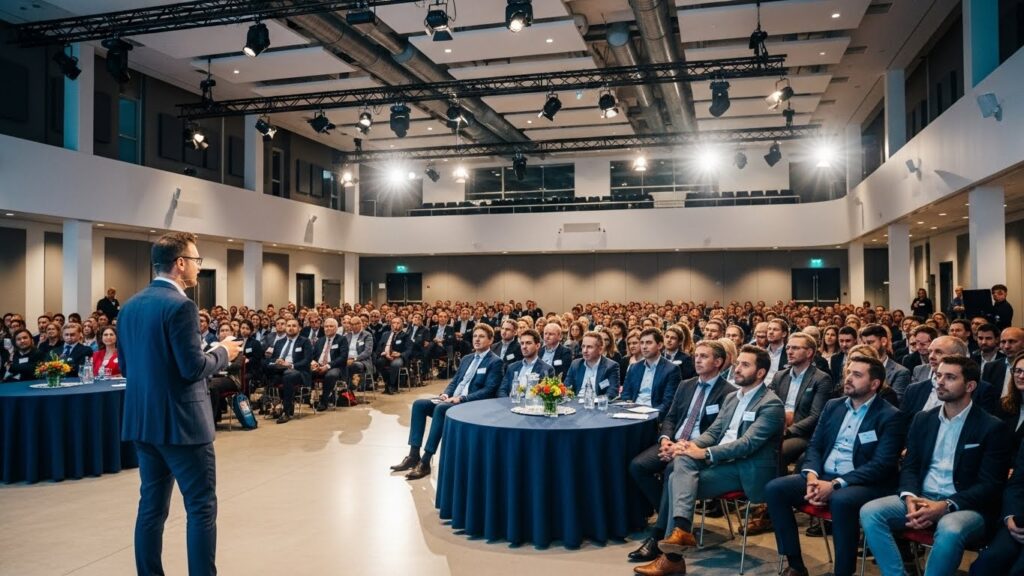
Business events are no longer judged solely by agenda quality or speaker line-ups. Decision-makers are paying closer attention to how location affects attention, energy, and participation across multi-day schedules. This shift explains the growing interest in conference venues at Karon Beach, where environment plays a practical role in how people engage rather than serving as a backdrop.
The coastal setting is not about luxury or escape. It is about reducing friction in how groups think, interact, and recover between sessions.
Cognitive Load and the Meeting Environment
Meetings demand sustained concentration, particularly when they involve strategy, planning, or negotiation. Urban environments often introduce background cognitive load through noise, congestion, and constant visual stimulation. Even when participants are indoors, these factors affect focus.
Coastal locations reduce this load naturally. Open horizons, consistent soundscapes, and fewer interruptions help participants stay mentally present for longer periods. This improves engagement without requiring changes to agenda structure or facilitation style.
Why Recovery Time Matters More Than Session Length
Productive events are shaped as much by what happens between sessions as by the sessions themselves. Short breaks in calm environments allow mental reset, which directly affects the quality of discussion that follows.
At coastal venues, recovery does not require planning. A brief walk, sea air, or quiet outdoor space provides separation from content-heavy sessions without removing participants from the event setting. This supports better pacing across full days.
Informal Interaction Without Forced Networking
Many business outcomes occur outside formal sessions. However, forced networking environments can feel artificial and unproductive. Coastal venues encourage informal interaction organically.
Shared outdoor areas, relaxed movement between spaces, and natural pauses create opportunities for conversation without scheduling them. These interactions often feel more authentic and lead to clearer follow-up than structured networking formats.
Focused Attendance and Reduced Distraction
Location influences commitment. Venues slightly removed from city centres reduce the temptation for participants to leave mid-event or divide attention between meetings and external obligations.
This containment effect improves attendance consistency and session continuity. Participants are more likely to remain engaged throughout the programme rather than treating attendance as optional.
The Role of Environment in Group Dynamics
Group dynamics shift in calmer settings. Hierarchies soften, participation broadens, and discussions become more measured. This is particularly valuable for workshops, leadership sessions, and planning events where contribution quality matters more than volume.
The environment supports this change quietly. There is no need to manage behaviour actively because the setting itself encourages balance and attentiveness.
Practicality Without Compromise
Choosing a coastal venue does not mean sacrificing functionality. Modern conference venues integrate meeting infrastructure seamlessly into their surroundings, allowing events to run efficiently without feeling enclosed or disconnected.
When logistics work smoothly and the environment supports concentration, organisers spend less time managing issues and more time focusing on outcomes.
When Setting Supports Business Objectives
The most effective conference venues are those that enhance, rather than compete with, the purpose of the event. Coastal locations succeed not because they impress, but because they remove obstacles to focus, interaction, and recovery.
For organisations prioritising clarity, engagement, and productive use of time, coastal conference venues offer a practical advantage. They create conditions where people can think clearly, participate fully, and leave with outcomes rather than fatigue.
That reliability is what increasingly makes location a strategic decision, not just a logistical one.




More Stories
University Finance Clubs in Argentina Often Begin With a Shared MetaTrader 4 Download Session
Why Service Area Details Are So Hard to Find on Bin Cleaning Sites
How Rain and Heat Shape Company Events in South Louisiana