

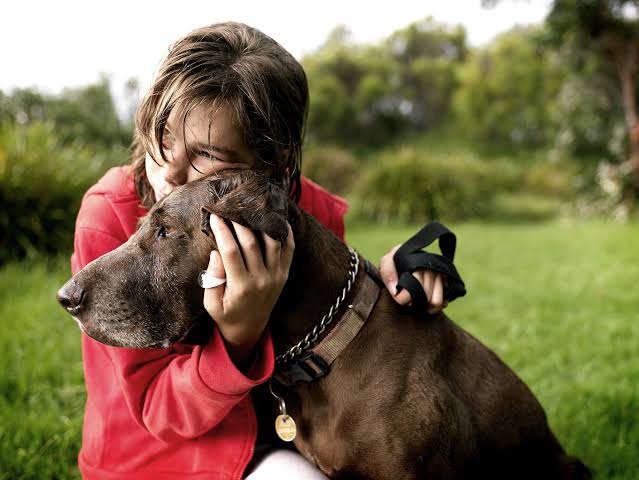
Deciding to put your dog down is an important decision that requires careful discussion with a veterinarian. Euthanasia provides a controlled and peaceful process when a dog’s quality of life has significantly changed. Understanding each stage can help owners prepare for the appointment and make arrangements that reflect their dog’s needs and their family’s wishes.
When Euthanasia May Be Recommended For A Dog
A veterinarian may discuss euthanasia when a dog’s health affects its comfort and everyday activities. The decision considers the dog’s overall condition, behaviour and quality of life. Owners may notice changes in eating, drinking, movement, sleep, interaction or interest in familiar activities.
A veterinary assessment helps identify the underlying condition and explains available care options. The vet can also discuss the expected progression of the condition and help owners make an informed decision.
Preparing For The Euthanasia Appointment
Preparation gives owners an opportunity to understand the procedure and discuss their preferences with the veterinary team. Important arrangements may include:
- Veterinary Discussion: The vet explains the procedure, answers questions and discusses the dog’s individual circumstances.
- Consent: The owner provides permission before the veterinary procedure begins.
- Comfort: The team creates a calm setting and helps the dog remain relaxed.
- Personal Preferences: Owners can discuss the preferred setting, timing and arrangements for saying goodbye.
These preparations allow owners to approach the appointment with a clear understanding of what will happen. They also provide time to discuss practical arrangements with the veterinary team.
What Happens During Dog Euthanasia
Dog euthanasia usually involves medication administered by a veterinarian. The vet may first give a sedative to help the dog relax and become comfortable. Once the dog is settled, the veterinarian administers the euthanasia medication.
The medication causes unconsciousness, followed by the stopping of vital functions. The veterinarian monitors the dog throughout the procedure and confirms when it is complete. Understanding these stages can help owners know what to expect when they put a dog down.
What To Expect After The Procedure
After euthanasia, owners may have time to remain with their dog and say goodbye. The veterinary team can also discuss aftercare arrangements. These may include:
- Cremation or Burial: Owners can discuss available aftercare options with the veterinary practice.
- Ashes: With cremation, owners can ask about receiving their dog’s ashes and available memorial options.
- Personal Belongings: Owners may choose to keep collars, tags, photographs or other meaningful items.
- Private Time: Owners can discuss having quiet time with their dog after the procedure.
Making these arrangements in advance can give owners greater clarity during an emotional period. Veterinary teams can explain the available choices and practical details.
Caring For Other Pets After A Loss
Other pets may respond to changes in their routine and surroundings. Keeping familiar feeding, walking, and sleeping routines can provide consistency. Regular interaction can also support their wellbeing. For cats, comfort-focused support may include palliative care for cats at home when advised by a veterinarian. Each pet has individual needs and may benefit from tailored care.
Conclusion
Understanding dog euthanasia can help owners prepare for the veterinary appointment and the decisions that follow. The process includes veterinary assessment, preparation, medication and aftercare arrangements. Discussing each stage with a veterinarian allows owners to understand their options and plan a calm, respectful goodbye based on their dog’s individual needs.




More Stories
Home Insurance Guide: Protecting Jewellery and Valuable Possessions
From Community Service to Exequatur: The Real Path to an Honorary Consul Appointment
Southern Odisha’s Service Contract – What TPSODL Owes Its Paying Consumers