

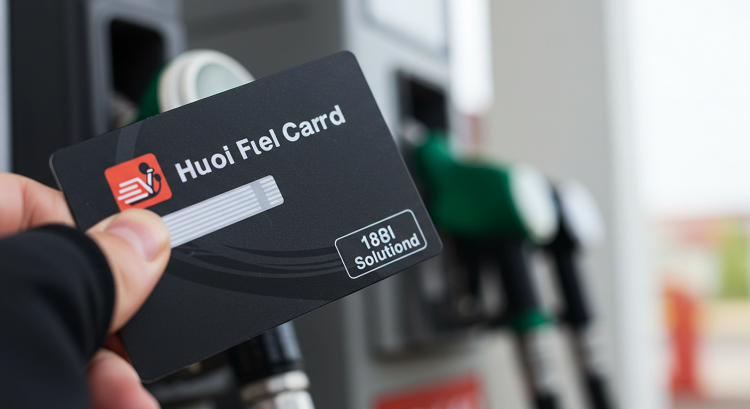
In one recent rollout for Phillips 66, we implemented a multi-channel training program, featuring video guides, in-app tips, and a custom fleet dashboard available through https://www.phillips66fleet.com/ which significantly improved policy adherence and reduced fuel card abuse within the first 30 days.
Using a fuel card offers businesses a streamlined way to manage vehicle-related expenses, but simple missteps can limit potential savings and expose operations to unnecessary risk. As fleets grow, so does the complexity of managing fuel expenses, and overlooking the fine details of card controls, network coverage, and reporting features can derail your cost-control strategy.
Overlooking Card Controls and Restrictions
A major pitfall for many businesses is failing to configure purchase controls immediately after account setup. Fuel cards often come with robust tools for setting transaction limits, purchase hours, fuel-only access, and driver-level customization. Ignoring these options leaves fleets vulnerable to unauthorized purchases and operational misuse.
Businesses should actively use card controls to cap gallons per fill-up, limit transactions by location or time of day, and tie each card to a specific driver or vehicle. When left unrestricted, cards can become open channels for fuel fraud or non-business spending, two issues that significantly affect profitability across U.S. fleets.
Ignoring Network Coverage and Station Limitations
Not all fuel cards provide access to the same number of gas stations. One common mistake is assuming a card can be used at every station across the country. In reality, some cards are only accepted at specific networks, and failing to verify where a card can be used results in driver inconvenience and inconsistent fuel pricing.
For example, cards that are not universally accepted force drivers to detour from optimal routes just to find an eligible station. This leads to lost time, route inefficiencies, and extra miles on the vehicle. Choosing a card with wide network coverage, like those accepted at 95% of stations nationwide, can help avoid these operational bottlenecks.
Mismanaging Card Fees and Application Terms
Fees are often hidden in the fine print. Some fleet cards include setup costs, transaction fees, monthly service charges, or even inactivity penalties. Businesses that do not audit their fee structures routinely end up paying far more than expected. Always compare fee schedules before choosing a card, and periodically reassess whether the current program continues to meet your fleet’s evolving needs.
More importantly, be cautious of promotional discounts or rebates that taper off after a limited time. Introductory offers may mask long-term costs if not reviewed regularly.
Underutilizing Reporting and Analytics
Many fuel card programs come equipped with advanced analytics, but businesses frequently fail to take advantage of them. Real-time reports can identify fueling trends, detect irregularities, and help fleet managers make data-backed decisions. Yet, companies often set up accounts and leave them untouched, missing out on key insights.
Effective use of data dashboards can reveal excessive idling, route inefficiencies, or drivers who consistently refuel outside of standard locations. These patterns, when identified early, allow for prompt corrective action and cost recovery.
Failing to Train Drivers on Proper Card Use
Another often-overlooked problem is the assumption that drivers inherently understand how to properly use fuel cards. From entering correct PINs and odometer readings to knowing which stations are eligible, inadequate driver education leads to misuse, delays, or even card deactivation.
Training should cover approved usage, what to do if a card is lost or compromised, and whom to contact for support. Drivers are the first line of defense against fraud, and empowering them with knowledge reduces the chance of card misuse or operational interruption.
Overlooking Mobile App Capabilities
Mobile app integration is an increasingly critical component of modern fuel card programs. Apps allow managers and drivers to view card balances, locate participating stations, track purchases, and receive instant alerts. Ignoring these features limits the visibility and convenience that digital platforms offer.
Some platforms even support biometric logins and real-time alerts when unusual purchases occur, adding a layer of protection against fraud or misuse. For multi-location fleets, these tools help keep operations moving efficiently, while maintaining tight spending oversight.
Relying Too Heavily on Manual Oversight
Relying solely on spreadsheets, email alerts, or manual audits to manage fuel expenses is another high-risk strategy. Automated systems integrated with telematics and vehicle diagnostics offer faster, more accurate insights into fueling behavior and vehicle performance.
Businesses using fleet cards in conjunction with real-time GPS tracking systems have reported significant reductions in fuel-related fraud, unscheduled maintenance, and even insurance premiums. These integrations provide a fuller picture of vehicle health, route efficiency, and fueling habits, all of which contribute to long-term savings.
Skipping Routine Account Reviews
Failing to review fuel card usage on a monthly or quarterly basis can result in long-standing inefficiencies and missed opportunities for savings. Periodic account reviews help identify inactive cards, excessive usage by certain drivers, or rebates that aren’t being applied.
Account audits should be scheduled just like vehicle maintenance. This includes checking for duplicate charges, cross-referencing fuel logs with telematics data, and confirming that all drivers are following the latest card usage protocols.
Treating Fuel Cards as One-Size-Fits-All
Every fleet is different, and so is every fuel card. Small business fleets may benefit from simplified programs with minimal fees and clear dashboards, while larger operations might require cards with deeper reporting tools and broader fuel station access.
Choosing the wrong card based on price alone can create limitations that affect operational performance, employee satisfaction, and customer service delivery. Be sure to match card features with your fleet’s size, geography, and service intensity.
Free Strategy: Stay Agile with Fuel Card Use
Mistakes in managing a fuel card program don’t just waste money, they compromise the integrity of your fleet operations. By implementing tight controls, leveraging technology, training your drivers, and actively managing your account, your business can avoid these costly pitfalls. Fuel cards are powerful tools, but only when used with strategic oversight and routine evaluation.




More Stories
Southern Odisha’s Service Contract – What TPSODL Owes Its Paying Consumers
Is Hero Passion Pro Still a Smart Bike for Daily Commute
Statement Styles for Every Occasion: A Guide to Contemporary Women’s Fashion