

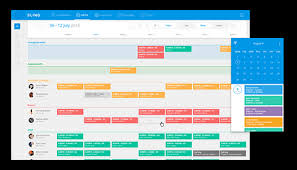
Many organizations struggle with rising overtime expenses and employee fatigue. These issues often result from uneven workload distribution and limited visibility into daily work patterns. When managers rely on manual planning or incomplete data, teams may experience excessive work hours while others remain underutilized. Technology now allows leaders to monitor workloads more accurately and schedule work based on real activity patterns. Workforce scheduling software helps organizations analyze workload trends and assign tasks more efficiently, which supports healthier work schedules and better operational control.
Why Does Overtime and Burnout Occur in Modern Workplaces?
Several operational factors contribute to overtime and employee exhaustion. These factors often appear gradually and become harder to control without proper workforce visibility.
Limited visibility into workload distribution
Managers often lack accurate data about how employees spend their time. Without clear insights, some employees receive more tasks than they can reasonably complete. Others may have unused capacity. This imbalance increases over time for some teams while productivity drops elsewhere.
Manual scheduling practices
Many organizations still use spreadsheets or basic tools to manage schedules. These approaches rely heavily on estimates instead of data. As workloads change during the week, manual schedules cannot adjust quickly. Employees then stay longer to finish tasks that managers did not anticipate.
Growing complexity in distributed teams
Hybrid and remote work arrangements create additional scheduling challenges. Managers must coordinate across locations, time zones, and collaboration tools. Without accurate workforce insights, organizations often respond by extending work hours rather than improving scheduling.
How Does Workforce Scheduling Software Control Overtime Costs?
Organizations reduce overtime when managers understand workload patterns and adjust schedules based on reliable data. Workforce scheduling software provides operational visibility.
Data-based workforce forecasting
Scheduling platforms analyze historical activity data to estimate future staffing needs. Managers can review workload patterns across projects and departments. This data helps leaders allocate the right number of employees during busy periods. As a result, organizations avoid sudden spikes in workload that often trigger overtime.
Balanced task distribution
Workforce analytics reveal which employees consistently handle heavier workloads. Managers can then redistribute tasks across teams to maintain a balanced workload. This adjustment prevents certain employees from regularly working extra hours while others remain underutilized.
Real-time operational visibility
Real-time insights allow managers to monitor workload conditions throughout the workday. When activity levels rise unexpectedly, managers can reassign tasks or shift resources early. Early intervention reduces the need for employees to work longer hours.
Automated scheduling support
Automated scheduling tools generate work schedules using workforce activity data. These schedules account for employee availability, historical workload patterns, and operational priorities. Automated planning reduces human errors that often lead to unnecessary overtime.
How Does Better Scheduling Help Prevent Employee Burnout?
Overtime does not only increases operational costs. It also affects employee engagement and long-term productivity. Effective scheduling practices help organizations protect employee well-being.
Consistent workload planning
Balanced scheduling ensures employees receive manageable workloads during each shift. When tasks are distributed evenly, employees complete work within normal working hours. Consistency in workload planning helps employees maintain focus and avoid fatigue.
Greater transparency in productivity patterns
Workforce analytics systems allow employees to view how they spend their work time. This transparency helps individuals understand productivity habits and manage their tasks more effectively. When employees see their activity patterns, they can organize work more efficiently.
Support for hybrid and distributed teams
Hybrid teams require stronger operational coordination than traditional offices. Remote workforce software allows organizations to monitor work patterns across locations while maintaining productivity insights. Managers can adjust schedules based on real workloads rather than assumptions about employee activity.
Early identification of overworked employees
Analytics tools detect unusual workload patterns, such as extended work sessions or frequent overtime. Managers can intervene quickly when these signals appear. Early adjustments prevent burnout before productivity begins to decline.
The Role of Workforce Analytics in Smarter Scheduling
Effective scheduling depends on reliable workforce data. Analytics platforms gather activity data from workplace applications, collaboration tools, and project systems. Managers can then review productivity trends and identify workload patterns across teams.
Workforce analytics also highlight operational inefficiencies that create unnecessary overtime. For example, repetitive tasks or delayed approvals may extend work hours. Once managers identify these patterns, they can adjust workflows and improve operational efficiency.
Modern organizations also rely on remote workforce software to analyze productivity across distributed environments. These platforms provide insights into workload distribution across remote teams and office locations. Leaders can compare activity patterns and allocate resources more effectively.
By combining scheduling tools with workforce analytics, organizations create a more responsive workforce management strategy. Managers gain the ability to adjust schedules based on real operational conditions rather than static planning assumptions.
Operational Benefits for Organizations
Organizations that adopt data-driven scheduling practices often experience several operational improvements.
- Lower overtime expenses due to better workforce allocation
- Improved employee engagement through balanced workloads
- Higher productivity as teams work within structured schedules
- Faster operational decisions based on real workforce insights
- Better coordination across hybrid and distributed teams
These improvements occur because managers base scheduling decisions on workforce activity data instead of estimates. When organizations understand how work flows through their teams, they can align staffing with real demand.
Conclusion
Organizations cannot control overtime and burnout without understanding how work actually happens across teams. Manual planning methods rarely provide enough visibility to manage complex workloads. Data-driven scheduling tools allow managers to monitor activity patterns and distribute tasks more effectively. When workloads remain balanced and schedules reflect real operational needs, employees complete work within reasonable hours. This approach lowers overtime costs while helping organizations maintain productivity, employee well-being, and stable workforce performance.




More Stories
Southern Odisha’s Service Contract – What TPSODL Owes Its Paying Consumers
Is Hero Passion Pro Still a Smart Bike for Daily Commute
Statement Styles for Every Occasion: A Guide to Contemporary Women’s Fashion