

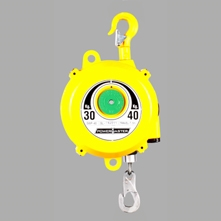
Manufacturing floors run on heavy tools and repeated motions. Workers lift, hold, and position items for hours. Without support, arms tire quickly, and small slips turn into bigger problems. Cable balancers step in here. They suspend tools at any height so operators guide them with little force. The result stays steady and safe. Many plants also rely on a weight balancer for the same steady support. These simple devices cut physical stress and lower accident chances. They fit right into daily routines without slowing output. Safety officers see fewer complaints and smoother inspections once installed. Overall, the shift brings clear gains in daily operations. Teams notice the difference right away and keep the tools in constant use.
What Cable Balancers Actually Do
A cable balancer works through an internal spring that matches the tool load. Pull the tool down, and it stays put. Release it, and the cable retracts neatly. No manual holding required. This setup keeps tools off benches and out of walkways. Operators move freely between tasks. The enclosed design adds extra protection against dust and wear. Plants report steadier hand positions and less reaching overhead. Basic models handle loads from a few pounds up to several hundred. Adjustment takes seconds with a simple knob. The unit mounts easily on beams or trolleys already present in most shops.
Core Safety Regulations That Apply
Rules come mainly from OSHA under the General Duty Clause. Employers must remove known hazards, especially those tied to muscle strain and falling objects. No single rule names balancers, yet they count as proven engineering controls. Compliance teams check for reduced repetitive motion risks and secure tool storage. States often follow similar guidelines during audits. Meeting these points helps avoid fines and keeps insurance rates stable.
- Limits force during lifts and holds
- Supports neutral wrist and shoulder angles
- Prevents tools from dropping mid-shift
- Clears clutter from work zones
- Tracks injury trends downward over months
Direct Links to Compliance
The cable balancer serves as a practical fix for ergonomic issues listed in OSHA guidance. It replaces constant gripping with balanced suspension. Workers keep their elbows at sides and backs straight. Sudden tool drops stop thanks to arrest features inside the unit. A weight balancer adds similar control for heavier loads. Both options need only basic tension checks each week. Training takes minutes, and records stay simple for inspectors. Plants that add them early notice fewer doctor visits and steadier production numbers. The devices also line up with updated standards on tool handling and workspace organization.
Everyday Gains on the Floor
Beyond paperwork, these balancers change how shifts feel. Fatigue drops because the arms rest more. Quality improves when tools stay steady. Teams rotate jobs easier without extra breaks for sore shoulders. Maintenance stays light with replaceable cables. The overall workspace looks cleaner and runs quieter. Output holds steady even on long runs.
Conclusion
Cable balancers and weight balancers give manufacturing companies a straightforward path to safer sites. They address real hazards head-on and line up with daily safety checks. Plants that adopt them report steady progress on key metrics. The equipment pays for itself through fewer lost hours and smoother audits. As rules tighten, these tools remain a reliable choice for forward-thinking teams. They prove that small changes create lasting protection for everyone on the line. Workers stay productive longer, managers meet targets with less worry, and the entire operation runs with fewer interruptions. The benefits show up quickly and last for years. Explore reliable solutions from Spring Balancers for smoother tool control and safer compliance.




More Stories
Southern Odisha’s Service Contract – What TPSODL Owes Its Paying Consumers
Is Hero Passion Pro Still a Smart Bike for Daily Commute
Statement Styles for Every Occasion: A Guide to Contemporary Women’s Fashion