

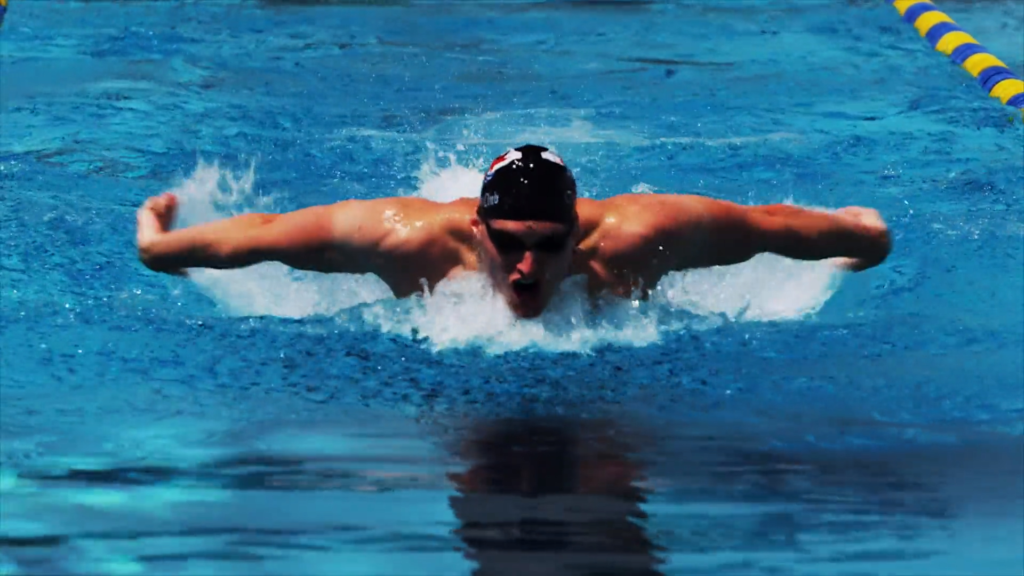
Breathing plays a key role in swimming performance, yet many swimmers overlook it. Poor breathing habits can slow you down, reduce stamina, and affect your stroke. Learning proper techniques helps improve control, balance, and endurance in the water. If you want to understand how to become a better swimmer, focusing on breathing is a practical place to start.
Why Breathing Matters in Swimming?
Breathing affects how efficiently your body moves in water. When breathing is irregular, your body may lift too much or lose alignment, which increases drag. This makes swimming harder and more tiring. A limited oxygen supply can also reduce muscle performance, leading to early fatigue. Many swimmers hold their breath or lift their head too high, both of which disrupt rhythm and slow progress.
Learning Proper Breathing Timing
Proper timing helps you stay balanced and maintain a steady stroke. Instead of interrupting your movement, breathing should support it.
- Stroke Coordination: Match your breathing with your stroke to maintain a smooth rhythm.
- Head Position: Turn your head slightly to the side instead of lifting it, which helps reduce drag.
- Side Breathing: Practice breathing on both sides to improve balance and body alignment.
- Rhythm Control: Keep a consistent breathing pattern to support steady movement in the water.
With regular practice, better timing can make your strokes feel more natural and controlled.
Controlled Exhalation in Water
Exhaling underwater is just as important as inhaling. Many swimmers delay exhalation and try to breathe out and in at the same time, which creates stress and shortens the breathing cycle. A steady exhale through the nose or mouth while your face is in the water helps keep your breathing relaxed. This reduces tension and allows you to take quicker, more effective breaths when you turn your head.
Building Lung Capacity and Endurance
Improving lung capacity helps you swim longer without feeling tired. Simple breathing drills can support this process over time.
- Pattern Training: Practice controlled breathing patterns during short swim sets.
- Stroke Limitation: Increase the number of strokes between breaths to build endurance.
- Drill Practice: Include breathing drills regularly to improve control and efficiency.
- Dry Training: Try simple breathing exercises outside the pool to support lung strength.
These methods help your body use oxygen more efficiently during swimming.
Staying Relaxed While Breathing
Tension in the body can make breathing harder and less effective. When swimmers feel rushed, they often tighten their neck and shoulders, which affects their stroke. Staying relaxed helps maintain a natural breathing pattern. A calm approach also improves focus, allowing you to stay in rhythm. When breathing feels easier, your overall movement in the water becomes smoother.
Applying Breathing Techniques in Training
Consistent practice helps turn breathing techniques into habits. Applying them during regular sessions improves long-term performance.
- Focused Practice: Work on one breathing skill at a time to avoid confusion.
- Routine Integration: Include breathing techniques in your daily swim sessions.
- Skill Combination: Gradually combine timing, exhalation, and control techniques.
- Consistency Building: Repeat drills regularly to develop muscle memory.
If you are working on becoming a better swimmer, steady practice of these techniques can lead to clear progress.
Conclusion
Breathing techniques directly affect how you move and perform in the water. Small improvements in timing, control, and relaxation can support better endurance and smoother strokes. With consistent practice, breathing becomes natural and helps you improve your overall swimming ability.




More Stories
Home Insurance Guide: Protecting Jewellery and Valuable Possessions
From Community Service to Exequatur: The Real Path to an Honorary Consul Appointment
Southern Odisha’s Service Contract – What TPSODL Owes Its Paying Consumers