

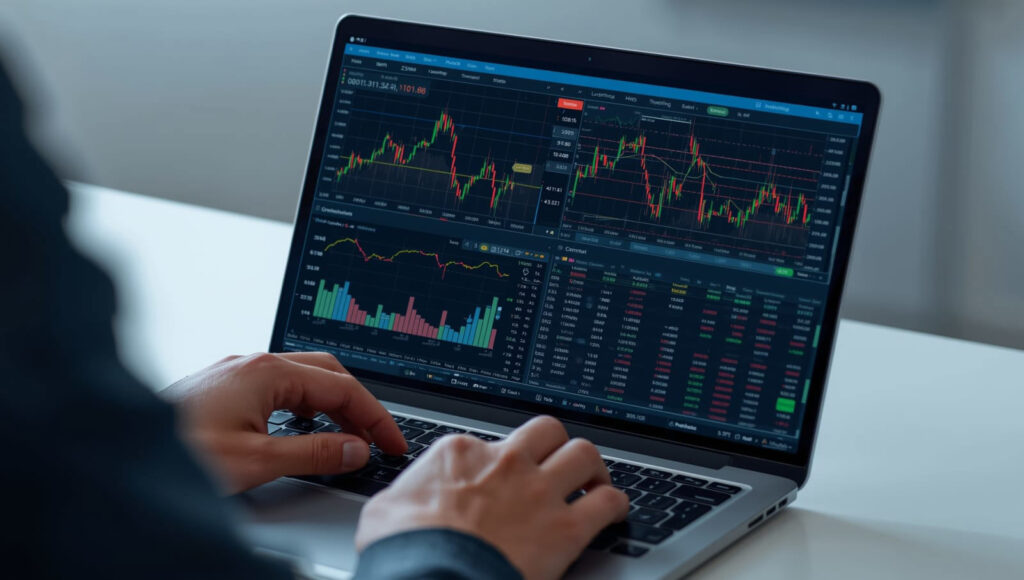
At some point, most traders come across the idea of automation and wonder what it really means in practice. It sounds technical, maybe even complicated, but the concept itself is more straightforward than it first appears. Instead of manually watching charts and placing trades, certain actions are handled by a system that follows predefined rules. In MT5, this process is built directly into the platform, making it accessible once you understand how the pieces connect.
It Starts With Rules, Not Guesswork
Automated trading doesn’t “decide” anything on its own.
Everything begins with a set of instructions. These instructions define when to enter a trade, when to exit, how much to risk, and under what conditions actions should happen. The system simply follows those rules exactly as they are written.
In MT5, these rules are usually built into what are known as Expert Advisors, often shortened to EAs.
What an Expert Advisor Actually Does
An Expert Advisor is essentially a program designed to monitor the market and act based on specific conditions.
It can scan charts continuously, something that would be difficult to do manually for long periods. When the conditions match its rules, it can place trades, adjust positions, or close them without requiring constant input.
This doesn’t make it “better” than manual trading, but it does make the process more consistent.
Speed and Consistency Are the Main Advantages
One of the biggest differences with automation is speed.
A system doesn’t hesitate or second-guess. If the conditions are met, it acts immediately. This removes the delays that can sometimes happen with manual decisions.
Consistency is another key factor.
In MT5, automated systems follow the same logic every time. They don’t change behaviour based on emotions or recent outcomes. This can help maintain a steady approach, especially for traders who find it difficult to stick to a plan.
It Still Needs Monitoring
Even though trading is automated, it doesn’t mean it can be left completely unattended.
Market conditions change, and a system that works well in one environment may not perform the same way in another. Regular checks are still important to ensure everything is functioning as expected.
Automation reduces effort, but it doesn’t remove responsibility.
Testing Before Using It Live
Before applying any automated system in real conditions, testing plays a big role.
In MT5, there are tools that allow you to run strategies on past data. This helps you see how the system would have behaved under different market conditions.
While this doesn’t guarantee future results, it provides insight into how the rules perform over time.
It Changes How You Interact With the Market
Using automation often shifts your role.
Instead of actively placing trades, you’re observing how the system performs, making adjustments, and refining the rules if needed. The focus moves from execution to evaluation.
For some traders, this creates a more structured way of working.
It’s Not a Shortcut, Just a Different Approach
There’s a common assumption that automated trading makes everything easier.
In reality, it’s just a different way of approaching the market. The effort shifts from making decisions in real time to designing and maintaining a system.
In the end, MT5 provides the tools to automate trading, but the effectiveness of that automation depends entirely on how the system is built and managed.




More Stories
Turning Ideas into Products: The Role of CAD Technology in Product Development
Home Insurance Guide: Protecting Jewellery and Valuable Possessions
From Community Service to Exequatur: The Real Path to an Honorary Consul Appointment