

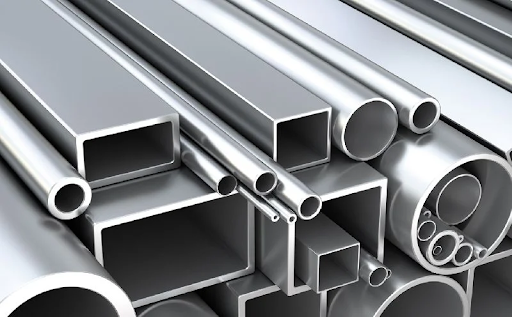
In contemporary engineering and architecture, the choice of materials plays a defining role in determining durability, performance, and design efficiency. Aluminium has long been valued for its lightweight characteristics and corrosion resistance, but advanced surface treatments have elevated its functional potential even further. Among these treatments, the use of anodised aluminium sections has become increasingly prominent across industries that demand both structural reliability and visual refinement.
Anodizing is a controlled electrochemical process that strengthens aluminium by creating a thick, protective oxide layer on its surface. This transformation enhances the metal’s durability while preserving its sleek metallic appearance. The resulting material performs exceptionally well in demanding environments such as construction, transportation systems, architectural facades, and industrial equipment.
Understanding how these engineered sections improve structural integrity and performance provides valuable insight into why they are widely adopted across modern industries.
Structural Strength and Mechanical Reliability
Aluminium treated through advanced anodizing processes demonstrates improved mechanical stability, enabling structures to perform consistently under demanding operational conditions while maintaining structural precision.
- Enhanced Surface Hardness for Structural Stability: The anodizing process significantly increases the hardness of aluminium surfaces by forming a dense oxide layer. This layer strengthens the outer structure of the metal, making it more resistant to mechanical wear and structural stress.
- Improved Load-Bearing Capability: While aluminium is naturally lightweight, treated sections provide improved resistance to deformation and pressure. In architectural frameworks and industrial equipment, this enhanced strength allows components to withstand dynamic loads while maintaining dimensional stability.
- Resistance to Mechanical Damage: Engineered aluminium components are less vulnerable to dents, scratches, and surface damage compared to untreated metals. This increased resilience extends the lifespan of structural systems, particularly in environments where physical contact and continuous use are unavoidable.
- Consistency in Structural Performance: Precision manufacturing ensures uniform thickness in the protective oxide layer. This consistency enhances the overall reliability of aluminium systems, enabling engineers to design frameworks that perform predictably under varying environmental and mechanical conditions.
- Support for Modern Engineering Designs: Modern infrastructure often requires materials capable of balancing strength and weight efficiency. By combining structural integrity with lightweight characteristics, aluminium sections contribute to safer and more efficient engineering solutions.
Superior Surface Finish and Aesthetic Value
Treated aluminium surfaces provide a refined finish that combines durability with visual elegance, making them a preferred choice for projects where both performance and aesthetics are equally important.
- Refined Metallic Appearance: One of the most notable advantages of anodized aluminium is its refined surface finish. The process produces a smooth and uniform texture that enhances the natural metallic sheen of the material. This makes aluminium highly desirable for architectural elements where visual appeal is essential.
- Long-Lasting Color Stability: Unlike painted coatings that may fade or peel over time, anodized finishes maintain their color and texture for extended periods. The color becomes integrated within the oxide layer, ensuring durability even in outdoor conditions exposed to sunlight and environmental pollutants.
- Design Flexibility for Architects and Designers: Modern construction emphasizes clean lines and contemporary aesthetics. Aluminium sections with anodized finishes offer versatile design possibilities, allowing architects to incorporate sleek profiles and consistent textures into building facades, window systems, and decorative elements.
- Uniform Appearance Across Large Installations: Large-scale projects require materials that maintain consistent visual quality across extensive surfaces. The anodizing process ensures uniformity in tone and finish, enabling cohesive architectural designs without visible variations.
- Enhanced Surface Cleanliness and Maintenance: The non-porous nature of anodized surfaces reduces the accumulation of dust, stains, and pollutants. This contributes to easier maintenance while preserving the original appearance of structural elements over time.
Corrosion Resistance and Environmental Protection
Aluminium enhanced through anodizing forms a protective oxide layer that shields the material from corrosion, allowing it to maintain structural integrity even in challenging environments.
- Protection Against Atmospheric Corrosion: Aluminium naturally resists corrosion, but anodizing significantly enhances this property. The thicker oxide layer protects the metal from moisture, oxygen, and environmental contaminants that may otherwise compromise structural integrity.
- Durability in Harsh Environmental Conditions: Infrastructure located in coastal, industrial, or high-humidity regions often faces severe environmental challenges. Aluminium treated through anodizing processes can withstand these conditions without degradation, ensuring reliable performance over decades.
- Chemical Resistance in Industrial Settings: Industrial facilities frequently expose materials to chemical agents and pollutants. The protective oxide coating provides a barrier that reduces chemical reactions, safeguarding aluminium components from corrosion and material fatigue.
- Reduced Maintenance Requirements: Because the anodized layer is integrated with the aluminium itself, it does not peel, crack, or flake like traditional coatings. This stability significantly reduces maintenance requirements for buildings and industrial structures.
- Long-Term Preservation of Structural Components: The enhanced corrosion resistance ensures that aluminium structures retain their strength and visual integrity for extended periods, making them suitable for both indoor and outdoor applications.
Performance Efficiency in Industrial and Architectural Applications
Aluminium sections produced with advanced surface treatments offer exceptional performance characteristics, enabling engineers and architects to develop systems that are lightweight, durable, and highly adaptable.
- Lightweight Strength for Structural Efficiency: The combination of strength and low weight makes aluminium ideal for large-scale structural frameworks. Engineers can design systems that maintain durability while reducing the total load on supporting structures.
- Precision Manufacturing Capabilities: Modern production techniques allow aluminium sections to be manufactured with exceptional accuracy. This precision supports complex architectural designs and ensures seamless integration within advanced construction systems.
- Thermal Stability in Varied Conditions: Aluminium performs reliably across a wide range of temperatures. The anodized surface enhances stability by protecting the metal from thermal expansion and environmental stress, ensuring consistent performance in diverse climates.
- Energy Efficiency in Building Systems: Architectural systems that use aluminium sections contribute to energy-efficient building designs. Their reflective surfaces and structural properties support insulation strategies and reduce long-term energy consumption.
- Versatility Across Multiple Industries: From transportation components to architectural structures, aluminium materials are used in numerous industries. The reliability of anodised aluminium sections ensures they meet performance requirements in both functional and aesthetic applications.
Conclusion
Modern construction and industrial engineering demand materials capable of delivering strength, visual precision, and long-term durability. Aluminium enhanced through advanced surface treatments meets these requirements by combining structural resilience with refined aesthetics.
As industries continue to prioritize sustainability and performance-driven materials, aluminium anodizing remains a vital part of future-focused engineering strategies. Organizations seeking high-quality aluminium manufacturing and surface treatment expertise can explore advanced solutions at JM Aluminium. It delivers precision-engineered materials designed to support modern architectural and industrial requirements with reliability and long-term value.
More Stories
Building a Culture of Care: Workplaces That Need Safety Incentive Initiatives
Keeping the Cold Chain Intact: How to Identify Which Compressor Parts Your Fleet Needs
TBM Launch Portal Sealing in Silty Sand and Artesian Ground