

We smile. We say we’re fine. We power through another day with that familiar knot in our stomachs and bone-deep exhaustion that’s become background noise to our lives. But what if the real problem isn’t that we’re working too hard? It’s that we’ve been running on empty for so long, we’ve forgotten what a full charge feels like.
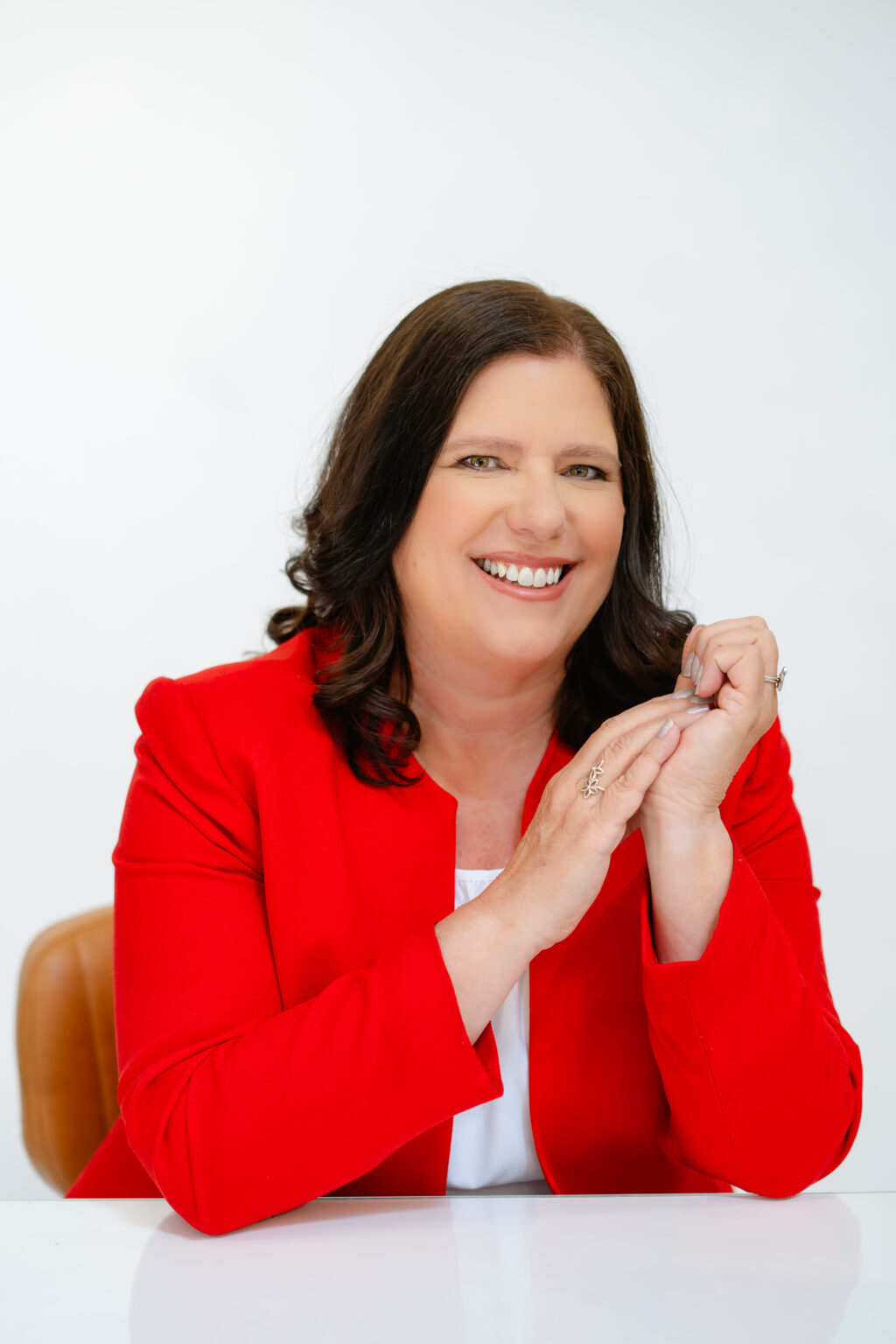
Dr. Alexis Kennedy, a psychologist with three decades of experience studying stress and trauma, believes we’re facing a collective crisis that most of us refuse to name. “What if we were to say out loud that we don’t feel normal, and these times that we’re living in,they don’t feel normal either?” Kennedy asks. It’s a simple question with profound implications.
The Trauma We’re Not Talking About
Over the past six years, Kennedy points out, we’ve collectively endured a worldwide pandemic, political upheaval, and economic uncertainty. And then? We just went back to work. No reset. No recovery time. Just business as usual.
Kennedy offers a striking metaphor: “It’s a bit like keeping our phone on a 2% power charge for years, and just stopping to plug it in for 20 minutes. Then we act shocked when it dies mid-sentence. That’s what we’re doing to our bodies.”
The comparison resonates because it’s viscerally accurate. We’ve been operating in crisis mode for years, expecting our bodies to function normally while giving them barely enough energy to survive.
The Biology of Burnout and Why Our Fixes Aren’t Working
Kennedy is clear that burnout isn’t simply about working too many hours or having too many responsibilities. It’s a biological response. When our nervous systems remain in survival mode for extended periods (which for many has been years)our bodies begin to fail us in measurable ways.
The symptoms are familiar to anyone paying attention: disrupted sleep, compromised immune systems, persistent brain fog. According to the 2025-2026 Aflac WorkForces Report more than 3 in 5 American workers report feeling burned out, with numbers climbing year over year.
We’re approaching burnout with the wrong toolkit entirely. Kennedy argues that we’re treating a nervous system problem with productivity solutions. We’re reorganizing our calendars, optimizing our schedules, and downloading meditation apps,but missing the fundamental issue.
“Pushing through our stress is a bit like trying to reorganize a flooding basement while the water is still pouring in,” Kennedy explains. “We have to stop the flood first.”
A Framework Built for Real Life
Kennedy has delivered this work across a wide range of organizations, from multinational corporations and law firms to firehouses and medical schools. Decades of trauma research and direct work with human trafficking survivors and first responders has given her rare insight into just how far chronic exhaustion can push the human body, and that experience shapes everything she brings to the stage. Her approach focuses on working with our biology rather than against it.
Her framework centers on three essential components: recognizing burnout before it reaches crisis levels, understanding why our bodies seem to betray us even when we think we’re doing everything right, and applying neuroscience-based techniques to interrupt the stress response in under five minutes.
That last point is crucial. The solutions Kennedy offers are designed to be practical and immediate, not aspirational goals that require complete lifestyle overhauls. For organizations seeking deeper impact, Kennedy offers keynotes, follow-up workshops and online webinars that give teams hands-on tools.
The Power of Truth-Telling
At the heart of Kennedy’s message is a call for radical honesty. Before any healing can begin, we need to acknowledge the reality of our situation.
“What if we were to speak the truth and say, this is not normal, and we’re not feeling like ourselves?” Kennedy asks. “Only then can we start restoring what stress has quietly been eroding.”
Kennedy’s closing message offers both validation and hope: “We have survived on a 2% charge. Now it’s time to find out what a full charge feels like.”
For the millions of professionals running on fumes, pretending everything is fine while their bodies stage increasingly desperate protests, Kennedy’s work offers something rare: permission to stop, acknowledgment that the struggle is real and biological, and a science-based path forward. In a culture that glorifies busyness and pathologizes rest, that might be the most radical and necessary message of all.
To explore booking Dr. Kennedy for your next event, visit www.recharge.how. You can also follow her on Instagram at @Dr.Alexis.Recharge for free tools and insights on burnout and stress recovery.




More Stories
Southern Odisha’s Service Contract – What TPSODL Owes Its Paying Consumers
Is Hero Passion Pro Still a Smart Bike for Daily Commute
Statement Styles for Every Occasion: A Guide to Contemporary Women’s Fashion