

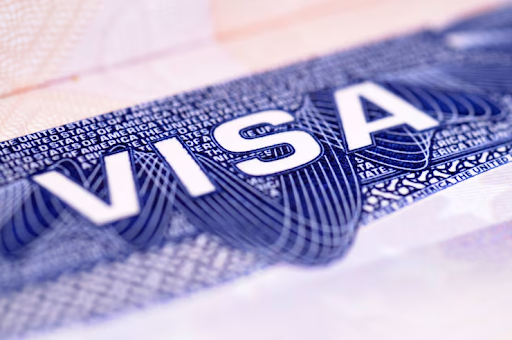
For international students studying in the United States on an F-1 student visa, understanding the F-1 visa renewal process is a critical part of maintaining legal status and ensuring uninterrupted access to education and related opportunities. The F-1 visa stamp in your passport is not the same as your immigration status — and understanding this distinction is the most important conceptual step in navigating visa renewal without unnecessary stress or complications.
This guide explains what F-1 visa renewal involves, when it is required, what documents are needed, and how to approach the process efficiently — whether you are renewing from within the US or during a trip abroad.
F-1 Visa Status vs F-1 Visa Stamp: A Critical Distinction
Many international students confuse two separate things: their F-1 immigration status (the D/S — ‘Duration of Status’ — notation on their I-94 arrival record, which allows them to remain in the US as long as they maintain full-time enrolment and comply with F-1 regulations) and the F-1 visa stamp in their passport (which is simply an entry document that permits travel to the US border).
You can remain in the United States on valid F-1 status with an expired visa stamp, as long as your I-20 is valid and you are in good academic standing. However, if you travel outside the United States and your visa stamp has expired, you will need to renew it before re-entering. Understanding this distinction prevents unnecessary urgency about the visa stamp while ensuring appropriate attention to status maintenance.
When Is F-1 Visa Renewal Required?
F-1 visa renewal is required in two main circumstances:
- Travel outside the US: If your visa stamp has expired and you leave the United States — even for a brief trip to Canada, Mexico, or any other country — you cannot re-enter without a valid F-1 visa stamp. Your visa stamp must be renewed before you can return.
- Studying beyond the original visa validity period: If your current visa has expired and you are planning future international travel as part of your studies (for conferences, fieldwork, or personal travel), proactive renewal is advisable.
Where to Renew Your F-1 Visa
F-1 visa renewal is conducted at a US Embassy or Consulate outside the United States. The process cannot be completed from within the US. Most students renew during home country visits, though it is possible to apply at any US Embassy or Consulate worldwide — subject to appointment availability and the applicant’s documentation requirements in that specific country.
Documents Required for F-1 Visa Renewal
The standard document set for an F-1 visa renewal appointment includes:
- A valid passport with at least six months of remaining validity beyond the intended re-entry date
- DS-160 Online Nonimmigrant Visa Application form, completed and submitted
- Current I-20 signed by your Designated School Official (DSO) within the past 30 days
- SEVIS fee payment receipt (Form I-901) — confirm whether a new payment is required or whether your existing payment record is sufficient
- Proof of enrolment: Official transcript or enrolment letter confirming current full-time student status
- Proof of financial support: Bank statements, scholarship letters, or sponsor financial documents demonstrating ability to cover study and living costs
- Previous US visa (even if expired)
- University acceptance letter and any relevant programme documentation
The F-1 Visa Interview
All F-1 visa renewals require a personal interview at the US Embassy or Consulate, with limited exceptions for applications meeting the specific requirements for the interview waiver program (applicable to certain repeat applicants in specific countries). The interview focuses on confirming the purpose of travel, verifying student status and academic progress, and assessing ties to the home country that support the intention to return after completing studies.
Consular officers routinely ask about your programme of study, academic progress, funding sources, and plans following degree completion. Prepare for these questions with clear, honest, and specific answers. Vague or inconsistent responses raise unnecessary flags in what is generally a straightforward renewal process for students in good academic standing.
Timeline and Processing Considerations
Visa appointment availability and processing times vary significantly by country and season. During peak renewal periods — the summer preceding the academic year — appointment slots at popular consulates fill months in advance. Planning your renewal well in advance of any intended travel is essential to avoiding situations where limited appointment availability delays your return to studies.
Administrative Processing (formerly known as security clearance) can add weeks or months to the visa processing timeline for some applicants. While most F-1 renewals are decided at the interview or within a few days, building buffer time into your renewal travel planning protects against this possibility.
Maintaining Your F-1 Status During the Renewal Period
While you are outside the US completing your visa renewal, your F-1 status maintenance requirements continue. Ensure your I-20 remains valid and that your programme end date has not passed. If you anticipate an extended stay abroad for the renewal process, communicate with your DSO and explore the option of a Reduced Course Load (RCL) or a leave of absence if warranted.
Conclusion
F-1 visa renewal is a manageable process for students who understand the requirements, plan their documentation carefully, and allow adequate time before international travel. Distinguishing between your F-1 status and your visa stamp, assembling a complete and accurate document package, and preparing thoroughly for the consular interview are the three most important steps to a smooth and successful renewal experience.



More Stories
Turning Ideas into Products: The Role of CAD Technology in Product Development
Home Insurance Guide: Protecting Jewellery and Valuable Possessions
From Community Service to Exequatur: The Real Path to an Honorary Consul Appointment