

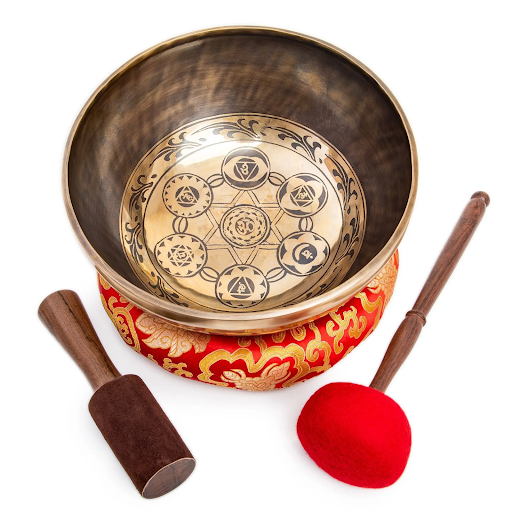
High-altitude regions across Nepal and Tibet continue to produce handcrafted goods that carry deep cultural roots and refined technical precision. These items are not simply created for utility but shaped through a long-standing relationship between artisans, materials, and tradition. Every object reflects an inherited process that values patience, detail, and continuity across generations.
Within this landscape, Nepal & Tibet artisan products represent a blend of cultural identity and skilled production that remains relevant in modern markets. Their enduring appeal lies in the balance between function and symbolism, where each piece carries both aesthetic value and a deeper connection to regional heritage.
Cultural Roots Behind Himalayan Craft Practices
Craft traditions across Nepal and Tibet are shaped by centuries of cultural exchange, spiritual influence, and geographic isolation. Artisans develop their skills within community-based systems, where knowledge passes through observation and practice rather than formal education. This approach ensures continuity while allowing subtle regional variations to emerge over time.
Generational learning plays a central role in preserving techniques that might otherwise disappear. Families often dedicate themselves to specific crafts, maintaining consistency in quality and style. These systems create a strong foundation where tradition is preserved without becoming rigid or outdated.
Intergenerational Knowledge Transfer
Craftsmanship relies heavily on knowledge shared within families, where younger members learn by assisting experienced artisans. This gradual immersion allows them to understand both technical processes and cultural significance. Skills develop over time through repetition and refinement.
Regional Influences on Craft Styles
Geographic diversity across Nepal and Tibet introduces variation in materials, techniques, and design elements. Local environments influence the availability of resources, shaping how artisans approach production. Climate and terrain also impact the durability requirements of each item.
Materials and Techniques That Define Craft Identity
Natural materials form the core of Himalayan artisan production, with wood, metals, and fibers sourced locally. Artisans rely on their understanding of these materials to create products that withstand environmental conditions while maintaining visual appeal. Preparation techniques are as important as the crafting process itself.
Each material undergoes careful treatment before it becomes part of a finished product. This ensures durability and enhances the overall quality. The process reflects a deep understanding of how materials behave under different conditions.
Handcrafted Metalwork Practices
Metalwork stands as one of the most recognized aspects of Himalayan craftsmanship, requiring precision and endurance. Techniques such as hammering and casting create textures that cannot be replicated through industrial methods. Each piece carries subtle variations that reflect individual effort.
Textile and Fiber-Based Creations
Textile production involves spinning, dyeing, and weaving natural fibers into durable and functional forms. Artisans manage each stage manually, ensuring control over quality and design. Patterns often reflect cultural narratives, adding depth to the finished product.
The Meaning Behind Nepal & Tibet Artisan Products
Products from Nepal and Tibet carry significance beyond their physical form, representing a connection between culture, spirituality, and daily living. Each item reflects the intent of its maker, shaped by traditions that emphasize harmony and balance. This adds a layer of meaning that extends beyond simple utility.
Buyers often value these products for their authenticity and traceable origins. The ability to connect with the story behind an object enhances its appeal. This makes handcrafted goods a preferred choice for those seeking meaningful purchases.
Symbolism in Design Elements
Designs often incorporate motifs that represent spiritual beliefs and natural elements. These symbols are not randomly chosen but carefully integrated to reflect cultural values. This attention to detail ensures that each product carries a deeper significance.
Functional and Decorative Balance
Himalayan crafts maintain a balance between functionality and visual appeal, ensuring that products serve practical purposes while enhancing their surroundings. This dual focus increases their relevance across different settings.
Market Relevance of Himalayan Artisan Goods
Demand for handcrafted products continues to grow as consumers seek alternatives to mass-produced items. Himalayan crafts offer a distinct advantage through their authenticity and quality. These attributes make them suitable for both personal use and gifting purposes.
Global markets increasingly recognize the value of ethically sourced products. This creates opportunities for artisans to reach wider audiences while maintaining traditional practices. The shift toward conscious consumption supports the sustainability of these crafts.
Exploring the Diversity of Himalayan Offerings
The range of products available from Nepal and Tibet reflects the versatility of artisan skills. From home décor to spiritual tools, each category showcases a different aspect of craftsmanship. This diversity ensures that there is something for a wide range of preferences.
Among these, authentic Nepalese & Tibetan craftsmanship stands out for its ability to combine tradition with functionality. Each product category demonstrates a commitment to quality and cultural preservation.
Home Décor and Functional Art
Decorative items from the Himalayan region often serve practical purposes while enhancing interior spaces. Carved wood pieces, metal artifacts, and woven textiles contribute to both aesthetics and usability. These products integrate seamlessly into modern environments.
Meditation and Spiritual Tools
Spiritual objects play a significant role in Himalayan craftsmanship, reflecting deep-rooted traditions. Items used in meditation are designed with precision to ensure effectiveness. Their form and composition are guided by traditional knowledge.
Challenges and Opportunities for Artisans
Artisans across Nepal and Tibet face challenges related to market access and competition from mass-produced goods. These factors can impact both income and the continuation of traditional practices. Addressing these challenges requires a balance between adaptation and preservation.
Efforts to connect artisans with global markets have become increasingly important. Ethical platforms provide visibility and ensure fair compensation. This supports both economic stability and cultural preservation.
Final Thoughts on Preserving Craft Heritage
What makes a handcrafted product truly meaningful when its origin carries generations of skill and cultural depth? Positioned at this intersection, Himalayan Bazaar brings carefully curated collections that reflect tradition, precision, and cultural authenticity while making them accessible to a broader audience. The platform connects artisans with buyers who value heritage-driven craftsmanship.
Within these offerings, products such as Nepalese singing bowls continue to hold relevance for meditation practices and sound-based applications. Himalayan Bazaar presents these items with a focus on quality and authenticity, allowing consumers to engage with craftsmanship that carries both functional purpose and cultural significance.




More Stories
Southern Odisha’s Service Contract – What TPSODL Owes Its Paying Consumers
Is Hero Passion Pro Still a Smart Bike for Daily Commute
Statement Styles for Every Occasion: A Guide to Contemporary Women’s Fashion