

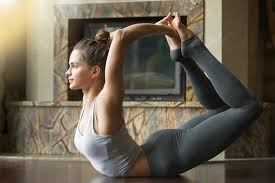
Yoga has long been recognised as a holistic practice that enhances physical, mental, and spiritual well-being. Among its many postures, bow pose dhanurasana stands out for its dynamic stretch, deep backbend, and powerful effects on the spine and digestive system. However, while this pose offers immense benefits, performing it without proper warm-up and alignment can lead to discomfort, particularly in the lower back and shoulders.
This article explores the steps, advantages, and precautions associated with bow pose dhanurasana, and how incorporating supportive yoga mudra practices can deepen your yoga experience while preventing injury.
What is bow pose dhanurasana
Bow pose dhanurasana is a backbend yoga posture that resembles an archer’s bow. In Sanskrit, “Dhanura” means bow, and “Asana” means pose. When performed correctly, the body forms a curved shape where the chest is lifted, legs are bent back, and arms grasp the ankles, resembling a drawn bow.
This asana combines the benefits of stretching, strengthening, and stimulating internal organs. It is often included in intermediate and advanced yoga sequences due to its intensity and effect on the abdominal and spinal regions.
How to perform bow pose dhanurasana
Step-by-step guide:
- Lie flat on your stomach with arms beside your torso and chin on the mat.
- Bend your knees and bring your heels close to your buttocks.
- Reach back with both hands and grasp your ankles (not the toes).
- Inhale and lift your chest off the ground while simultaneously pulling your legs up and back.
- Keep your gaze forward or slightly upward, and maintain the posture for 15–30 seconds.
- Exhale, release the ankles, and return to the resting position.
Repeat for 2–3 rounds, ensuring your breathing remains steady throughout the pose.
Key benefits of bow pose dhanurasana
1. Enhances spinal flexibility and strength
One of the primary bow pose dhanurasana benefits is its impact on the spine. It stretches and strengthens the back muscles, improves posture, and increases the flexibility of the vertebral column. This makes it especially effective for those dealing with sedentary lifestyles or mild scoliosis.
2. Stimulates digestion and abdominal organs
The deep compression of the abdomen during the pose massages internal organs, promoting better digestion, reducing bloating, and aiding metabolism. It also stimulates the pancreas and liver, contributing to overall digestive health.
3. Opens up the chest and shoulders
Dhanurasana stretches the chest muscles and improves lung capacity. This is particularly beneficial for individuals with respiratory issues, as it promotes deep breathing and chest expansion.
4. Boosts energy and reduces fatigue
As a heart-opening posture, bow pose dhanurasana revitalises the body by stimulating the adrenal glands. Practising it regularly can help combat lethargy and increase stamina.
5. Tones the legs, arms, and core
The act of pulling the legs while lifting the upper body engages the thighs, calves, arms, and core, thereby toning these areas and improving muscular endurance.
Why warm-up is essential before attempting dhanurasana
Performing bow pose dhanurasana without warming up can strain the back muscles, particularly in beginners or those with limited flexibility. A proper warm-up increases circulation, activates the muscles, and prepares the joints for the intense arch involved in the pose.
Recommended warm-up poses:
- Cat-Cow stretches: Mobilises the spine and engages the core
- Bhujangasana (cobra pose): Gently prepares the back for deeper extension
- Setu Bandhasana (bridge pose): Opens the hips and strengthens lower back muscles
- Anjaneyasana (low lunge): Stretches the thighs and hip flexors
- Shoulder rolls and neck rotations: Loosen the upper body to avoid tightness
Spending at least 10 minutes warming up ensures that the body is adequately primed and reduces the risk of cramps, pulled muscles, or lower back pain.
Incorporating yoga mudra for deeper practice
Yoga mudra refers to symbolic hand gestures that channel energy and focus during yoga and meditation. When paired with asanas like dhanurasana, mudras can enhance the mind-body connection and support internal organ function.
Helpful yoga mudra practices:
- Prana mudra: Boosts energy and revitalises the body after deep poses
- Apana mudra: Supports detoxification and digestion, complementing the abdominal compression of dhanurasana
- Chin mudra: A grounding gesture that calms the mind before or after the pose
- Yoni mudra: Helps centre the practitioner and promote internal awareness
Adding these gestures during warm-up or savasana helps amplify the therapeutic effects of the session.
Precautions and contraindications
Although bow pose dhanurasana is highly beneficial, it may not be suitable for everyone. The following individuals should consult a physician or yoga expert before attempting it:
- Those with herniated discs or severe spinal conditions
- Pregnant women, especially in the second and third trimesters
- Individuals with high or low blood pressure
- People with recent abdominal surgeries or ulcers
- Those with severe shoulder or neck injuries
Always listen to your body. If you experience sharp pain or discomfort during the pose, ease out of it and avoid forcing the stretch.
Tips for safe practice
- Do not force your legs too high; flexibility develops over time
- Keep knees hip-width apart to avoid straining the lumbar spine
- Use a yoga strap to hold the ankles if reaching them is difficult
- Perform under the guidance of a certified yoga instructor if you are new to backbends
- Follow up with counterposes like Balasana (child’s pose) to release the spine
Conclusion
Bow pose dhanurasana is a powerful posture that delivers numerous physical and mental benefits, including improved flexibility, enhanced digestion, and increased energy. However, as with all advanced yoga asanas, proper preparation is essential. Warming up adequately and using supportive techniques like yoga mudra can ensure a safe and rewarding experience.
Practising dhanurasana mindfully and consistently can transform your back strength, posture, and inner vitality—making it an indispensable part of any holistic yoga routine.




More Stories
University Finance Clubs in Argentina Often Begin With a Shared MetaTrader 4 Download Session
Why Service Area Details Are So Hard to Find on Bin Cleaning Sites
How Rain and Heat Shape Company Events in South Louisiana