

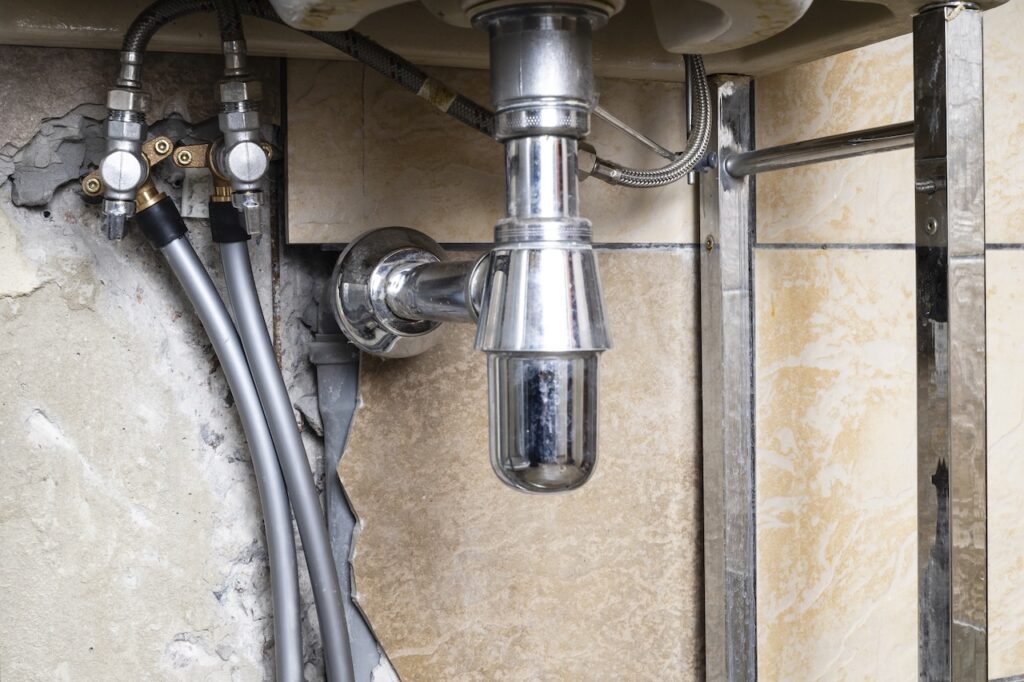
Winter can be tough on your home’s plumbing system. Freezing temperatures pose a significant threat, potentially causing pipes to freeze and burst, leading to costly repairs and water damage. But with proactive winterization, you can protect your plumbing, avoid unexpected issues, and enjoy a stress-free season. Let’s explore steps you can take to safeguard your plumbing and prevent the hassle of frozen pipes and clogs.
Understanding the Risks of Cold Weather on Plumbing
When temperatures drop, the water inside your plumbing system can freeze and expand. This expansion increases pressure within the pipes, making them more vulnerable to cracking or bursting—especially in weaker areas like joints and older fittings. Beyond frozen pipes, clogs from debris and grease that solidify in the cold can result in slow drains, backups, and potential flooding.
Protecting your plumbing isn’t just about avoiding frustration during winter—it’s essential for maintaining your home’s structural integrity and reducing repair costs.
Step-by-Step Guide to Winterizing Your Plumbing
1. Insulate Exposed Pipes
Pipes located in unheated spaces, such as basements, garages, or crawl spaces, are most susceptible to freezing. Insulating these pipes with foam sleeves or heat tape provides an extra layer of protection against the cold. For outdoor pipes, consider disconnecting hoses and covering faucets with protective caps.
2. Seal Leaks and Openings
Even small drafts around windows, doors, or in your home’s foundation can allow freezing air to reach vulnerable pipes. Inspect your property and seal any gaps or cracks with caulk or weather stripping to block cold air and maintain warmth.
3. Keep Your Home Warm
During extreme cold snaps, maintaining a consistent indoor temperature—even when you’re away—helps keep your plumbing system safe. Set your thermostat to at least 55°F and open cabinet doors under sinks to allow warm air to circulate around hidden pipes.
4. Drain Outdoor Water Systems
Garden hoses, sprinkler systems, and outdoor faucets should be drained before winter hits. Leaving water in outdoor systems increases the risk of freezing and pipe bursts. After disconnecting hoses, cover outdoor faucets with insulated covers for added protection.
5. Address Potential Clogs
Cold weather can worsen pre-existing clogs due to solidified grease, soap scum, or debris. Clean out your drains and consider using enzyme-based drain cleaners to break down buildup. Avoid pouring greasy or oily substances into drains, as these can harden in colder temperatures and cause blockages.
6. Inspect Your Plumbing System
A professional plumbing inspection can identify areas of concern, such as aging or damaged pipes that are more likely to fail in harsh conditions. Investing in minor repairs now can save you from dealing with time-intensive emergencies later.
7. Know How to Shut Off Your Water
Even with preparation, emergencies can happen. Locate your home’s main water shut-off valve and ensure it’s easily accessible. In the event of a burst pipe or significant leak, shutting off the water supply quickly can minimize damage.
What to Do if Your Pipes Freeze
If you suspect frozen pipes, it’s crucial to act fast but carefully. Start by turning off the water supply to prevent further pressure buildup. Use a hairdryer, space heater, or warm towels to gradually thaw the pipe—never use an open flame, as this could cause a fire. If you’re unable to locate or safely thaw the frozen section, a licensed plumber can assist.
Preventative Maintenance for Long-Term Benefits
While winterization focuses on immediate protection, long-term maintenance ensures your plumbing stays resilient. Regularly inspecting and repairing minor issues, upgrading to weather-resistant materials, and maintaining proper insulation are all beneficial. In colder climates, consider installing frost-proof outdoor faucets and using advanced materials like PEX pipes, which are more resistant to freezing and bursting.
Final Thoughts
Winterizing your plumbing is an essential step to prevent frozen pipes, clogs, and costly repairs. By taking preventative measures like insulation, sealing drafts, and maintaining a warm home, you can protect your property and enjoy a worry-free winter. Remember, preparation is always better—and less expensive—than reacting to emergencies. Take the time now to ensure your plumbing is ready to withstand the chill.



More Stories
5 Signs Your Business Needs Managed IT Support
Trading the Restaurant for the Waves: Why You Should Host Your Next Birthday on the Water
How Do I Get United Airlines Vacation Packages?