

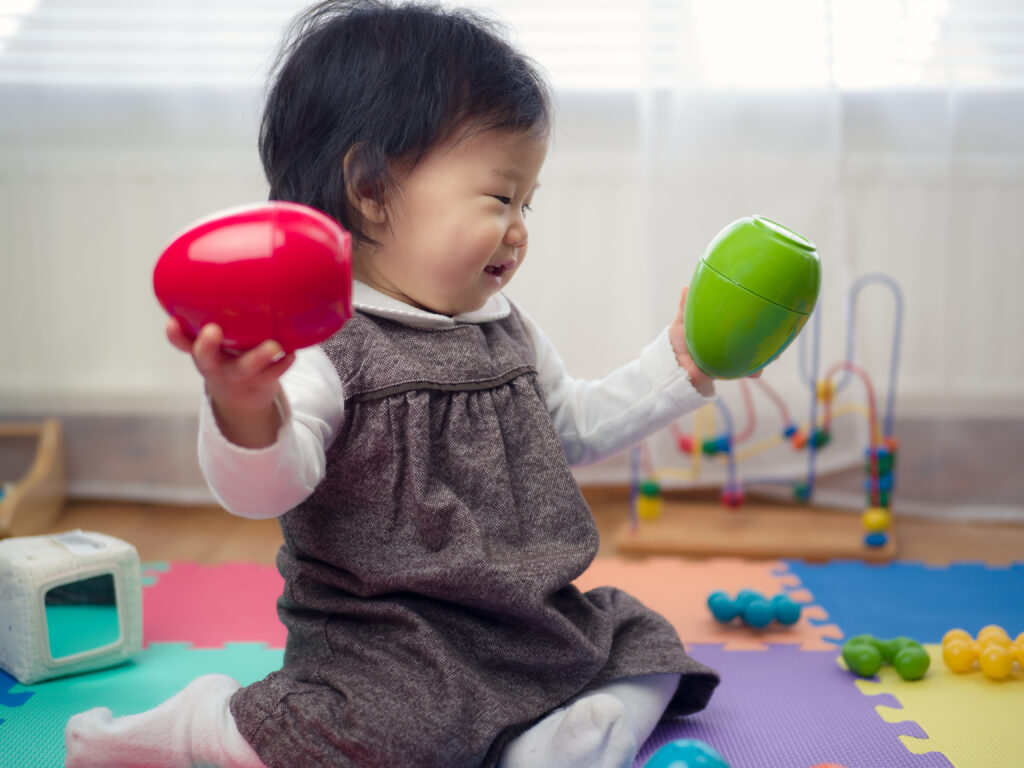
Preschool is often thought of as the place where children learn their letters, numbers, and colors. But beneath these early academic building blocks lies something just as essential: social and emotional development. The way young children learn to understand their feelings, interact with others, and manage challenges sets the stage for their future success, both in school and in life.
Understanding Social and Emotional Development
Social and emotional development refers to a child’s growing ability to recognize and manage emotions, build relationships, and navigate social situations. In preschool, this might look like a child learning to share a toy, expressing frustration with words instead of actions, or comforting a friend who is upset. These seemingly small moments are actually significant milestones in a child’s overall learning growth.
Unlike academic skills, which can be measured through tests or checklists, social and emotional growth develops gradually through daily interactions. Preschool teachers play a critical role in modeling appropriate behaviors, guiding children through conflicts, and creating a safe space where kids feel comfortable expressing themselves.
The Connection Between Emotional Health and Academic Success
It might seem like emotional development and academic learning are separate tracks, but they are deeply intertwined. Children who can identify and manage their emotions are better equipped to focus on learning tasks. A child who feels secure and understood is more likely to take risks, ask questions, and engage with new material.
On the other hand, children who struggle with emotional regulation may find it difficult to sit still, follow directions, or interact positively with peers. This can create barriers to learning growth, not because the child lacks intelligence or curiosity, but because their emotional needs are getting in the way of their ability to absorb new information.
By fostering social and emotional development alongside cognitive skills, preschools help create a strong foundation for lifelong learning.
Building Relationships and Social Skills
One of the most valuable aspects of preschool is the opportunity for children to interact with peers in a structured environment. These interactions teach essential social skills such as taking turns, cooperating on group activities, and resolving disagreements.
Children also learn empathy during this stage—the ability to understand and share the feelings of others. When a classmate is sad, preschoolers begin to recognize these emotions and may offer comfort or support. This early empathy development is crucial, as it lays the groundwork for healthy relationships throughout childhood and adulthood.
Preschool settings also introduce children to diverse personalities and perspectives. Learning to work and play with children who have different temperaments, interests, and communication styles helps build flexibility and resilience, skills that will serve them well in future social and academic environments.
Teaching Self-Regulation and Coping Skills
Self-regulation, the ability to manage emotions and behaviors in different situations, is a key component of social and emotional development. Preschoolers are just beginning to understand that they have control over how they respond to frustration, excitement, or disappointment.
Teachers often introduce simple strategies to help children self-regulate, such as taking deep breaths, counting to ten, or using words to express feelings instead of acting out. These tools not only help manage immediate emotional reactions but also build a child’s confidence in handling challenges independently.
As children practice these coping skills, they become more resilient and better prepared to handle the ups and downs of both the classroom and everyday life. This resilience supports continued learning growth, as children who can cope with setbacks are more likely to stay engaged and motivated.
Preparing for Long-Term Success
The benefits of strong social and emotional development extend far beyond the preschool years. Children who develop these skills early are often better equipped to navigate the social and academic demands of elementary school and beyond. They tend to have healthier relationships, stronger communication skills, and a greater capacity for problem-solving.
Moreover, social and emotional competence has been linked to improved mental health outcomes later in life. Children who learn to understand and manage their emotions early on are more likely to develop a positive self-image and healthy coping mechanisms as they grow.
Investing in social and emotional development during preschool isn’t just about creating well-behaved children in the moment. It’s about equipping them with the tools they need for lifelong learning growth and overall well-being.
Conclusion
Social and emotional development is not a side note to preschool education. It’s a core component that shapes how children learn, interact, and grow. By prioritizing emotional intelligence alongside academic skills, preschools help children build the foundation they need for a successful and fulfilling future.



More Stories
Pacing a Week of Museum Visits Without Burnout
Scheduling Trash Pickups at a Food Court Where a Vape Booth Shares the Bins
Cabin Air Filter Swaps for a Hatchback Commuter