

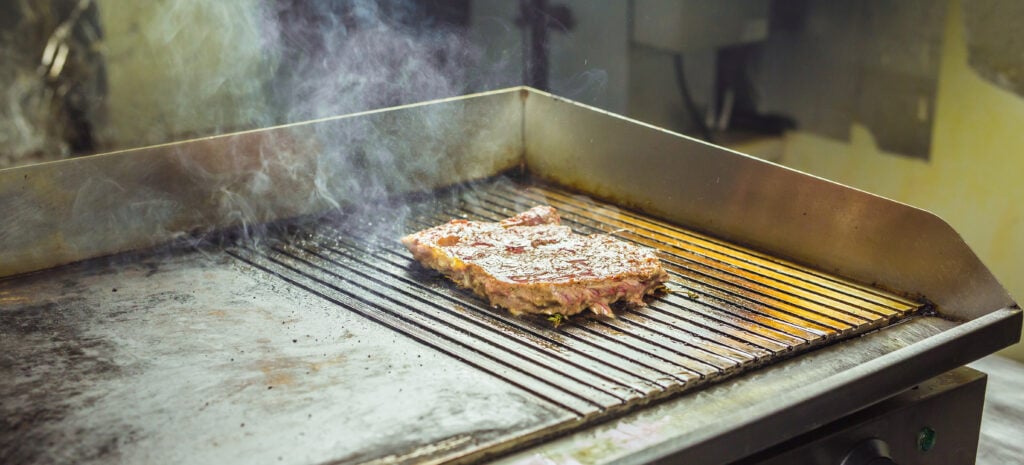
When you’re running a commercial kitchen, every piece of equipment is an investment. But not all investments pay off equally. Heavy-duty industrial grills sit in a category of their own — built to perform under pressure, day after day, without flinching. If you’re weighing the upfront cost against long-term returns, the math tends to tell a compelling story.
Built to Last, Built to Save
One of the most immediate financial arguments for industrial grills is durability. Consumer-grade or light commercial equipment might carry a lower price tag at checkout, but the replacement cycles are far more frequent. Heavy-duty units are engineered with robust materials — thick steel grates, reinforced burner systems, and commercial-grade construction — designed to withstand the relentless demands of a busy kitchen.
Fewer replacements mean fewer capital expenditures over time. That’s money staying in your operation rather than going toward emergency equipment purchases or downtime costs.
Throughput Equals Revenue
Speed and capacity directly affect how much food leaves your kitchen and how many customers you can serve. Industrial grills are designed with high BTU output and larger cooking surfaces, which means you can move more product in less time.
During peak service hours, this throughput advantage becomes a real revenue driver. A kitchen that can handle a higher volume of orders without compromising quality or speed keeps tables turning and customers satisfied. The faster your kitchen operates efficiently, the better your margins hold up under pressure.
Reducing Waste and Operational Costs
Precision and consistent heat distribution reduce food waste — a cost that many operators underestimate. Uneven cooking leads to overcooked portions, rejected plates, and ingredient losses that quietly eat into profit margins.
Industrial grills deliver consistent, controllable heat across the entire cooking surface. That consistency translates into fewer wasted ingredients and a more predictable food cost percentage — a critical metric for any food service business.
Energy efficiency is another factor worth noting. Higher-quality industrial equipment is often engineered to convert fuel to heat more effectively, meaning you get maximum output without excessive energy consumption. Over a full year of service, those savings accumulate meaningfully.
Labor Efficiency
A reliable, easy-to-operate grill reduces the cognitive load on your kitchen staff. When equipment behaves predictably, your team spends less time compensating for inconsistencies and more time executing at a high level.
Reduced maintenance interruptions also mean fewer labor hours lost to troubleshooting or working around equipment failures. In a high-wage environment where labor costs are one of your biggest line items, operational reliability has a direct dollar value.
The Reputation Dividend
Food quality is inseparable from equipment quality. A heavy-duty industrial grill gives your chefs the tools they need to deliver a consistent product — perfectly seared proteins, caramelized vegetables, and the kind of char that keeps guests coming back.
Repeat business and strong reviews are financial assets. They reduce your customer acquisition costs and build the kind of brand loyalty that sustains revenue through slower periods. In that sense, your grill is doing more than cooking — it’s supporting your entire value proposition.
Making the Investment Work
The key to maximizing ROI on industrial grills is treating the purchase strategically. Factor in total cost of ownership — not just the purchase price, but maintenance costs, energy consumption, and lifespan — when comparing options.
A slightly higher upfront investment in a well-built industrial grill often yields a lower cost per year of service when amortized over its working life. That reframe — from sticker price to long-term value — is the mindset shift that separates operators who struggle with margins from those who build sustainable, profitable kitchens.
Heavy-duty industrial grills aren’t just equipment. They’re infrastructure. Treat them like it.




More Stories
How Do I Get United Airlines Vacation Packages?
How Do I Change My Name on Breeze Airways?
What Is the LATAM Airlines Name Change Policy?