


Glossy listing photos make every living room look bright and every kitchen look roomy. A floor plan, on the other hand, shows the less flattering truth about hallway widths and the places where bedroom doors open. Most people who buy or rent a home learn to study the pictures first and the plan second, which is usually the reverse of what works. This article looks at how to read both documents with a steadier eye.
The advice here is general and aimed at everyday readers rather than anyone working in a specific market. Local rules, taxes and contract terms vary, so a qualified professional should review any agreement before you sign. The focus is on noticing what a listing shows, what it leaves out, and which questions a visit should answer. Once you know the patterns, the tour itself becomes far more useful.
Lighting, Angles and the Wide-Lens Trap
Photographers choose angles that make rooms look larger than they feel in person. A wide lens can stretch a bedroom into something closer to a hallway in real life. Bright windows may be shot at times of day when the street outside looks calm and empty. Compare several photos of the same space before deciding that a room is generous.
Look for pictures taken from a corner rather than only from the center of the room. Ask whether the photos show the actual furniture or a styled setup brought in just for the shoot. A good listing usually includes both a clean overview and a few honest close-ups. Readers may also want to visit 10speakers.
Reading the Floor Plan Line by Line
A floor plan is a simple drawing, but it answers questions the photos skip. Measure the distance between the front door and the kitchen, and notice how many steps the bathroom sits from the bedrooms. Storage often appears as a small rectangle with few details, so ask what it can actually hold. Plans also show how light moves through a space, because windows on one side can leave the opposite wall dim.
Many buyers and renters find it useful to bring a tape measure and a printed copy of the plan. You can mark the furniture you already own and see whether it fits the rooms as drawn. You can also visit pc4sy.com for more reading. Some drawings are rough, so treat them as guides rather than exact measurements.
Neighborhood Noise and the Hours Nobody Mentions
A house can look perfect at noon and feel very different at seven on a weekday morning. Visit at several times, including evenings and weekends, to hear how traffic, schools and nearby businesses change the street. Ask neighbors informally what they like about the block and what they wish were different. Those answers often carry more weight than a list of nearby amenities.
Check the route you would take each day to work, school or the grocery store. A short drive on paper can become a long wait in real traffic. For a related read on this site, see Survey Stakes and Corner Markers When Fencing a. Keep the same questions for every neighborhood so the comparison stays fair.
Questions to Bring to the Showing
Bring a short list of questions to every showing, and write down the answers. Ask how long the current owners lived there, what repairs were made recently, and which utilities the home uses. Requests for repair records are reasonable, and a seller who has them organized is usually easier to work with. Record everything you were told, since memories fade quickly after a long day of tours.
Pay attention to small signs as well, such as cracks near doors, uneven floors and how the water pressure feels when someone runs the tap. These observations do not replace a professional inspection. They do help you decide which homes deserve one. The goal is to reach a decision based on facts rather than on impressions formed from a few bright photos.
Parking, Storage and Everyday Logistics
Parking can decide whether a home works day to day, especially on busy streets. Check whether spaces are assigned, shared or available only on certain days. Walk from the parking area to the entrance with your groceries in mind.
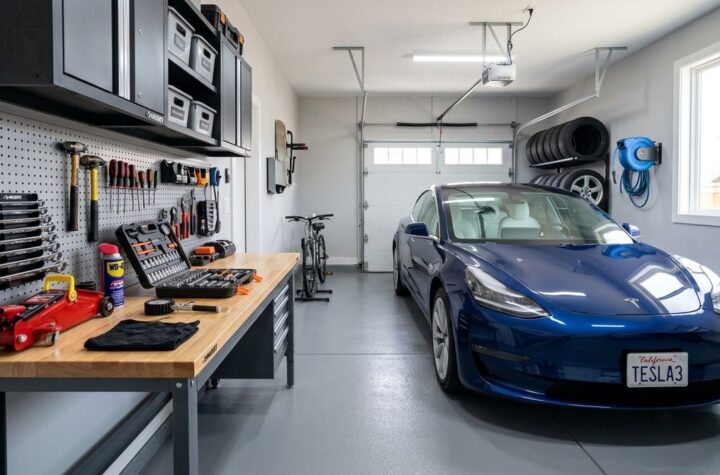
Storage needs are easy to underestimate during a tour. Look for closets near the entry, space in a basement or garage, and a place to keep bicycles or seasonal gear. Ask how the building handles bulky items and recycling so surprises do not arrive later.
Where the Photos End and the Plan Begins
The best listing photo is only the starting point for a serious look at a property. Once you read the plan, check the light and visit at different hours, the picture becomes a fuller story. Keep the professional advisers you need involved before any agreement is signed. Patience usually produces a clearer choice than enthusiasm does.



More Stories
Reading Listing Photos Against the Written Description
Survey Stakes and Corner Markers When Fencing a Yard
Choosing Between a Dealer Service and an Independent Garage