

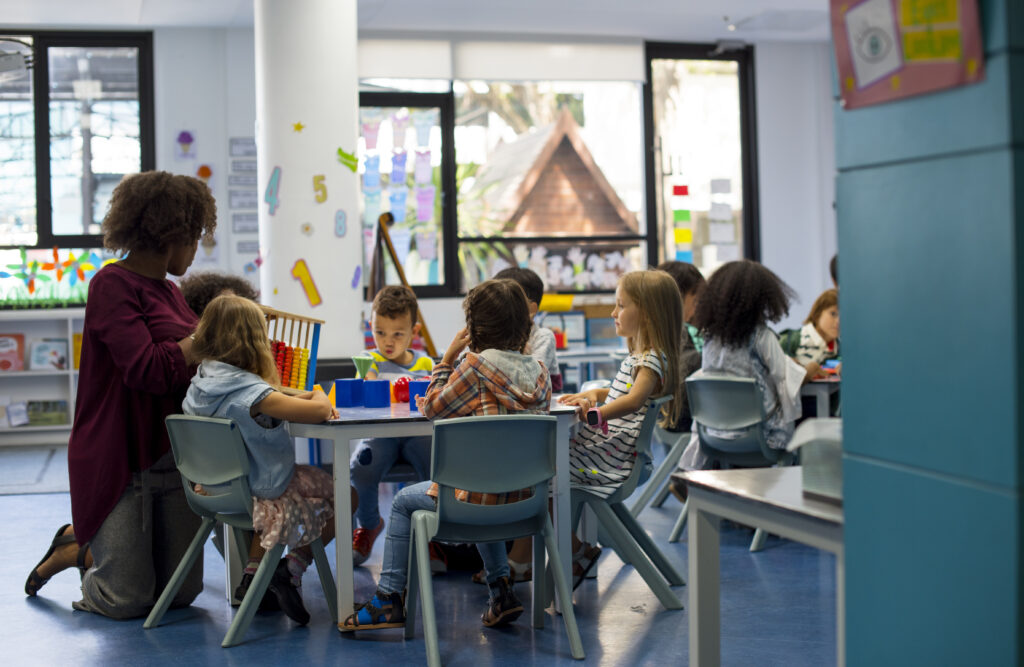
In the world of early childhood development, play is often seen as a simple pastime, a break from learning. Yet, nothing could be further from the truth. Play is, in fact, one of the most effective ways children learn, grow, and build critical life skills. It’s not a diversion from serious education—it is serious education.
In this article, we’ll explore why play is fundamental to children’s learning, how it supports childcare, and its role in shaping future generations.
Understanding the Value of Play
At first glance, play might seem trivial—a fun way for kids to pass the time. However, it is a cornerstone of early education and development. Play provides children with the freedom to experiment, take risks, and solve problems in a safe and supportive environment. Through play, kids develop physical skills, boost their creativity, and enhance critical thinking.
Think about building blocks: while it may seem like a simple activity, stacking blocks promotes hand-eye coordination, spatial thinking, and even early math concepts like balance and symmetry. Similarly, pretend play helps children develop emotional intelligence by experimenting with roles, emotions, and social scenarios.
In the context of childcare, integrating play into daily routines creates a rich learning environment. It allows caregivers to provide the balance children need between academic readiness and emotional well-being.
Types of Play and Their Educational Benefits
Play takes many forms, each offering distinct advantages. Understanding the different types of play can help educators and parents ensure children benefit from a wide array of developmental opportunities.
1. Free Play
This unstructured form of play is led by the child. Whether it’s drawing, exploring outdoors, or inventing games, free play fosters creativity, decision-making, and self-reliance. It’s vital in childcare because it encourages children to be imaginative and take ownership of their activities.
2. Guided Play
In guided play, caregivers or educators provide subtle guidance or materials to scaffold a child’s learning. For instance, asking questions or introducing puzzles can help deepen a child’s problem-solving ability while still leaving room for exploration.
3. Social Play
Play that involves peers, such as make-believe games or group activities, builds collaborative skills and teaches children the value of teamwork. Social play teaches conflict resolution, negotiation, and empathy—core skills that are indispensable as children grow.
4. Physical Play
Engaging in physical movement through games like tag or climbing builds gross motor skills, improves coordination, and encourages healthy habits.
Each of these types of play is essential for fostering well-rounded development, making diversified play a critical component of quality childcare and early education.
The Role of Play in Early Education Frameworks
Incorporating play into early education isn’t just beneficial; it’s essential. Childcare providers and educators who embrace playful learning are better equipped to support all aspects of a child’s development. By incorporating educational objectives into playful activities, children can achieve cognitive milestones without feeling pressured or overwhelmed.
For instance, integrating simple math games into play promotes number recognition and logical thinking. Storytelling during play helps build language skills, expanding a child’s vocabulary and comprehension.
Fostering an Environment for Playful Learning
Whether at home or in a childcare setting, creating an environment that invites play can yield lifelong benefits. Here are some tips for fostering playful learning:
- Provide Open-Ended Materials: Toys like building blocks, art supplies, and recycled objects spark creativity and innovation.
- Embrace Outdoor Exploration: Activities like gardening, nature walks, or sand play enhance sensory development and environmental awareness.
- Follow the Child’s Lead: Allow kids to explore their interests during play to bolster intrinsic motivation and self-confidence.
- Mix in Educational Opportunities: Guiding play with subtle academic undertones encourages a balance of fun and learning.
Why Play Is the Future
As the science behind early childhood development continues to evolve, one fact remains clear: play is not merely an activity; it’s foundational to human growth. For childcare providers, integrating play into routines isn’t optional—it’s a necessity that transforms childhood experiences into opportunities for lifelong learning.
By embracing the philosophy of playful education, we can empower the next generation to not only succeed but to thrive with creativity, empathy, and resilience. After all, when kids play, they aren’t just having fun—they’re shaping their futures in the most joyful way possible.




More Stories
Trading the Restaurant for the Waves: Why You Should Host Your Next Birthday on the Water
How Do I Get United Airlines Vacation Packages?
How Do I Change My Name on Breeze Airways?